

Guides
Stress Fracture in the Heel Bone: Symptoms, Causes & What to Do
Jun
Stress Fracture in the Heel Bone: Symptoms, Causes & What to Do
Heel pain is not always plantar fasciitis. A stress fracture in the heel bone can feel different, needs proper evaluation, and should not be treated like ordinary foot fatigue.
Most people with heel pain first think of plantar fasciitis. That makes sense — plantar fasciitis is common. But heel pain that gets worse with weight-bearing, becomes more intense over time, or starts after a sudden increase in activity may also raise concern for a heel bone stress fracture.
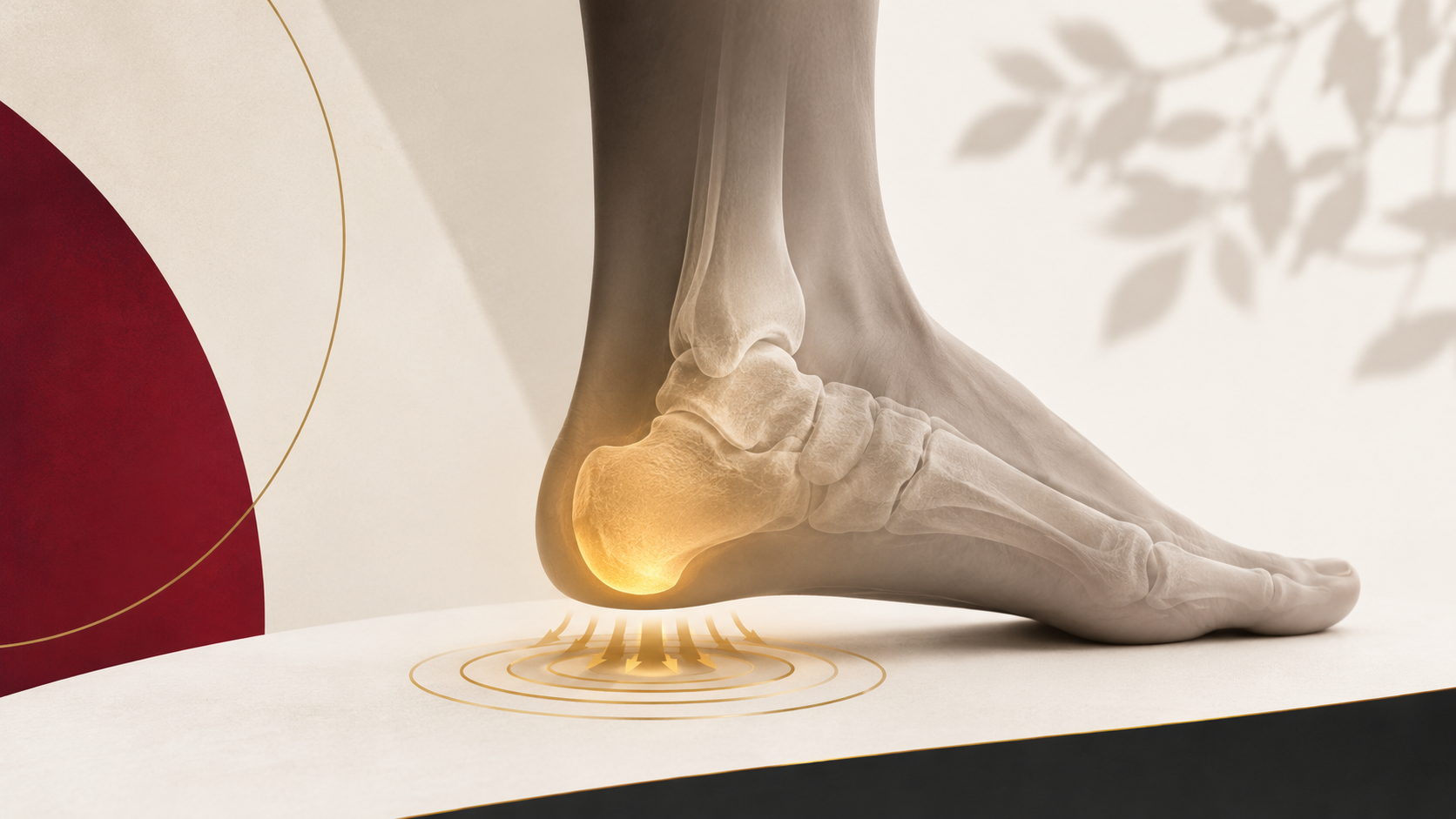
A heel bone stress fracture is a small crack or bone stress injury in the calcaneus, the large bone at the back of the foot. It can happen after repetitive impact, a sudden training increase, long walking loads, or reduced bone strength.
Quick Answer: What Is a Stress Fracture in the Heel Bone?
A stress fracture in the heel bone is a tiny crack or bone stress injury in the calcaneus. It usually develops when repeated loading exceeds the bone’s ability to recover.
Unlike simple soreness, stress fracture pain often becomes more specific, more intense with weight-bearing, and harder to walk through. In more serious cases, pain may continue even at rest.
Bone, Not Fascia
A heel stress fracture involves the calcaneus bone, not the plantar fascia tissue along the arch.
Pain With Load
Pain often worsens during walking, running, jumping, or standing and may improve with rest at first.
Needs Evaluation
A suspected stress fracture should be checked by a clinician, especially if walking becomes painful.
Symptoms of a Heel Bone Stress Fracture
A heel bone stress fracture can start subtly. Early on, the heel may only hurt during activity. As the injury progresses, pain can become more constant and may appear during normal walking or even at rest.
Common Warning Signs
- Pain deep in or around the heel bone.
- Pain that increases with walking, running, jumping, or standing.
- Heel tenderness when pressure is applied to a specific spot.
- Swelling, warmth, redness, or bruising around the heel or foot.
- Limping or difficulty putting full weight on the foot.
- Pain that starts during activity but later appears even during rest.
Stress Fracture vs Plantar Fasciitis: How They Can Feel Different
Heel pain conditions can overlap, which is why self-diagnosis is risky. Still, the pattern of pain can offer clues about whether the issue may be more like plantar fasciitis or a possible bone stress injury.
| Feature | Heel Bone Stress Fracture | Plantar Fasciitis |
|---|---|---|
| Pain Location | Deep heel bone pain, often very specific and tender. | Bottom of heel, often near where the arch begins. |
| Activity Pattern | Worsens with weight-bearing activity and may progress over time. | Often worst with first steps after rest, then may ease slightly with movement. |
| Rest Pain | Can appear at rest or at night if the injury progresses. | Usually more tied to first steps, standing, or walking load. |
| Swelling/Bruising | May include swelling, warmth, redness, or bruising. | Visible swelling is less common. |
| Next Step | Stop high-impact activity and seek medical evaluation. | Often starts with conservative care, but persistent pain still needs evaluation. |
If your heel pain feels deep, focal, and worse the more you load it, do not assume it is plantar fasciitis. Getting the right diagnosis matters because bone injuries need a different approach.
What Causes a Stress Fracture in the Heel Bone?
Stress fractures usually happen when the bone does not get enough time to recover between repeated loads. The heel bone absorbs a lot of force during walking, running, jumping, and standing, so sudden changes in load can matter.
Common Causes and Risk Factors
Sudden Activity Increase
Starting a new running plan, increasing mileage, walking much more than usual, or adding jumping workouts can overload the heel bone.
Repeated Impact
Runners, athletes, dancers, military recruits, and people who spend long days on hard surfaces may experience repeated heel loading.
Footwear and Surface Changes
Worn-out shoes, poor cushioning, hard floors, or a sudden switch to less supportive footwear can increase impact through the heel.
Bone Health Factors
Low vitamin D, low calcium intake, low energy availability, osteoporosis, certain medications, or previous stress fractures may increase risk.
How a Heel Stress Fracture Is Diagnosed
A clinician may start with your symptoms, activity history, footwear changes, and a physical exam. They may press around the heel, check swelling and tenderness, and ask when pain appears or improves.
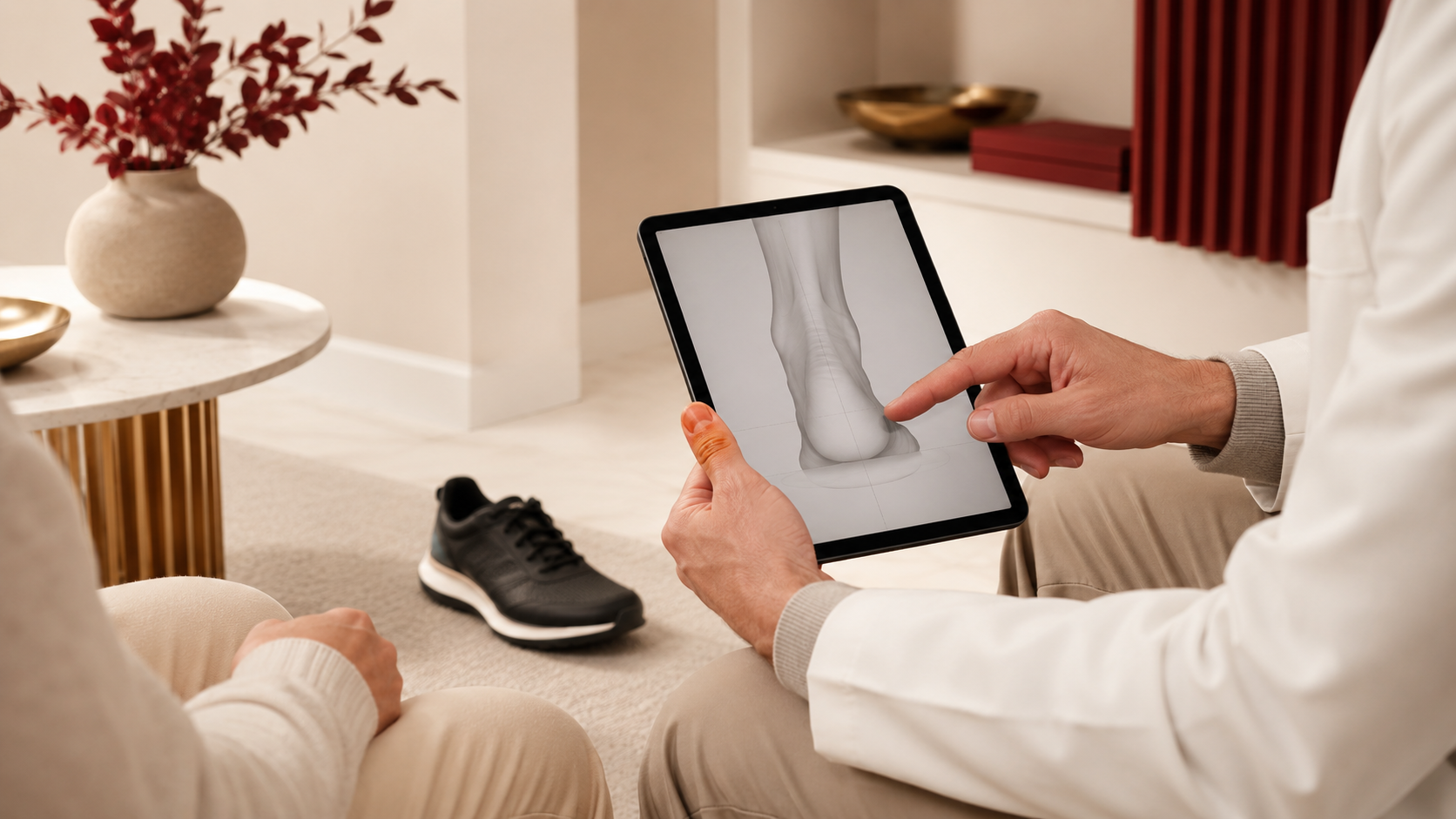
Imaging may be needed. X-rays are often used, but early stress fractures may not always show clearly right away. If suspicion remains high, a clinician may order MRI or other imaging to look for bone stress changes.
What to Do If You Suspect a Heel Stress Fracture
The first step is not stretching harder, massaging deeper, or adding more cushioning so you can keep training. The first step is to reduce load and get the pain assessed.
Practical Next Steps
- Stop running, jumping, and high-impact activity until you are evaluated.
- Reduce painful weight-bearing and avoid long walks if they worsen symptoms.
- Use ice and elevation if swelling or irritation is present and your clinician says it is appropriate.
- Seek medical care if walking is painful, pain is focal, swelling is present, or symptoms are worsening.
- Follow offloading instructions if your provider recommends a boot, crutches, brace, or activity restriction.
- Do not return too quickly even if pain improves after a few days.
Treatment often focuses on unloading the bone so it can heal. Depending on severity, that may involve reduced weight-bearing, a walking boot, crutches, rest from impact, nutrition review, physical therapy, and a gradual return plan.
Returning to Shoes, Walking, and Support
Once a clinician clears you to return to more normal walking, footwear becomes important again. The goal is to reduce harsh impact, improve comfort, and avoid jumping back into the same load that caused the problem.
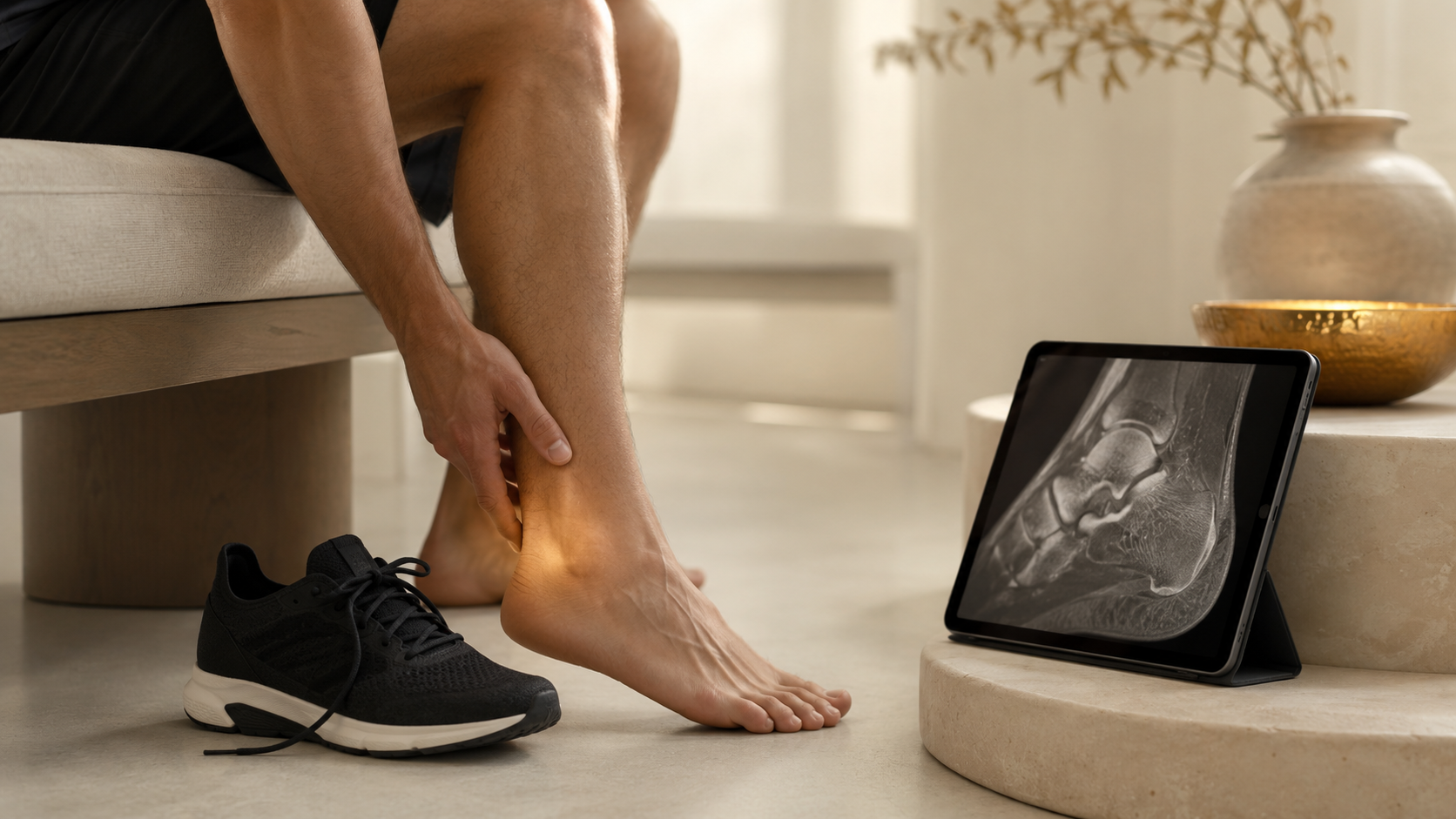
What to Look For After Clearance
- Cushioned heel feel: Helps reduce harsh impact during daily walking.
- Stable shoe base: Avoid shoes that collapse or feel unstable under the heel.
- Secure heel fit: Reduces sliding and unnecessary movement inside the shoe.
- Gradual activity return: Increase walking distance or training slowly, guided by symptoms and professional advice.
- Supportive insoles if appropriate: Insoles can improve comfort inside compatible shoes, but they should not be used to mask ongoing bone pain.
Support Comes After the Right Diagnosis
If your heel pain may be a bone injury, get it checked first. Once you are cleared for everyday shoes, InsoleLux insoles can help improve underfoot comfort inside compatible footwear with a clean, low-profile fit.
FAQ
Can you walk with a heel bone stress fracture?
Walking may be possible in some cases, but if it increases pain, you should stop and seek medical advice. A clinician may recommend reduced weight-bearing, a boot, or crutches depending on severity.
How is a heel stress fracture different from plantar fasciitis?
Plantar fasciitis usually involves soft tissue irritation along the bottom of the foot, often worse with first steps after rest. A stress fracture involves bone stress and often worsens with weight-bearing activity.
Will an X-ray show a heel stress fracture?
Sometimes, but early stress fractures may not show clearly on initial X-rays. If symptoms strongly suggest a bone stress injury, a clinician may consider MRI or other imaging.
Can insoles help a heel stress fracture?
Insoles should not be used as a primary treatment for a suspected stress fracture. After professional clearance, supportive insoles may help improve comfort inside everyday shoes during a gradual return.
How long does a heel bone stress fracture take to heal?
Healing time varies by severity, location, bone health, and how well the heel is unloaded. Your healthcare provider should guide your return to walking, work, running, or training.
When should I seek medical care for heel pain?
Seek care if heel pain is worsening, deep and focal, painful with weight-bearing, present at rest, linked with swelling or bruising, caused by injury, or making you limp.
Final Take
A stress fracture in the heel bone is different from ordinary heel soreness or plantar fasciitis. It involves the calcaneus bone and may worsen if you keep loading it without proper care.
If pain becomes deep, focal, worse with weight-bearing, or difficult to walk through, do not try to push past it. Reduce load and get professional evaluation.
Once you are cleared to return to everyday footwear, supportive shoes and low-profile insoles can be part of a smarter comfort plan — but the first step is always the right diagnosis.
