

Guides
What Is a Heel Spur? Symptoms, Causes & Treatment Options
Jun
What Is a Heel Spur? Symptoms, Causes & Treatment Options
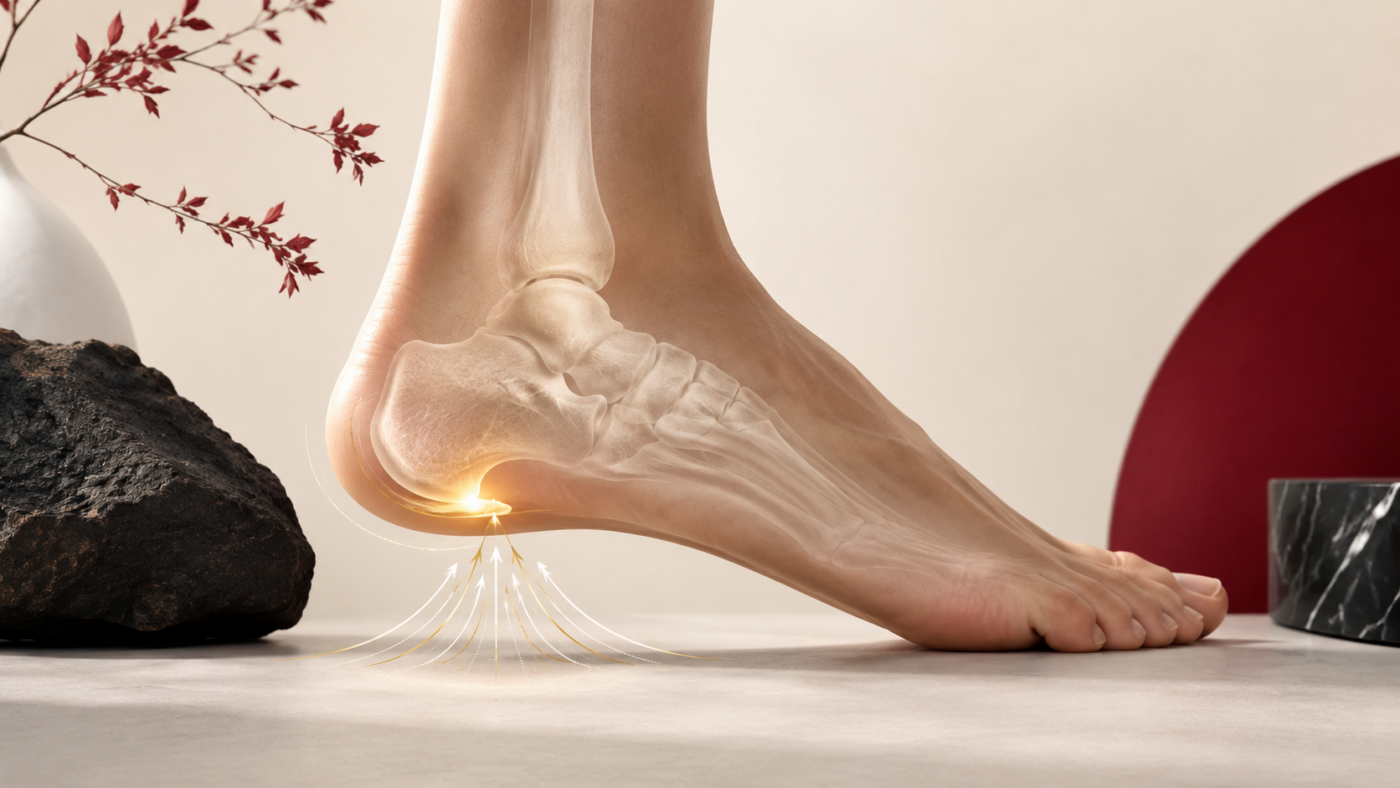
A heel spur is a bony growth on the heel bone, but it does not always cause pain by itself. The real question is what is irritating the heel — and how to support your foot more comfortably.
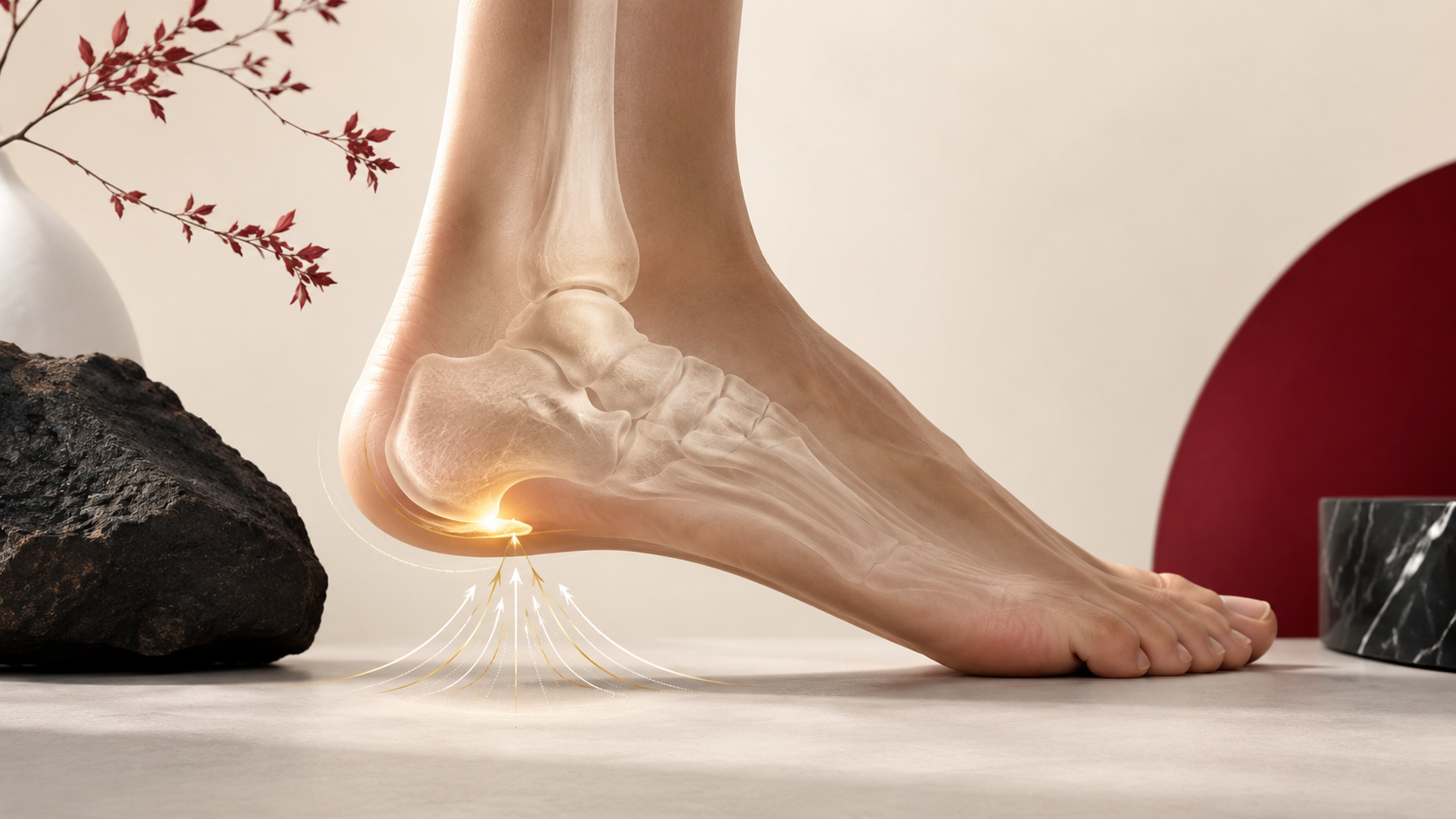
If an X-ray shows a heel spur, it can sound more serious than it really is. Many people imagine a sharp spike causing every step of pain. In reality, heel spurs are often found alongside other heel pain problems, especially plantar fasciitis.
A heel spur may be present without causing symptoms. When pain happens, it is often related to irritation around the heel, plantar fascia tension, footwear load, or repeated strain through the bottom of the foot.
Quick Answer: What Is a Heel Spur?
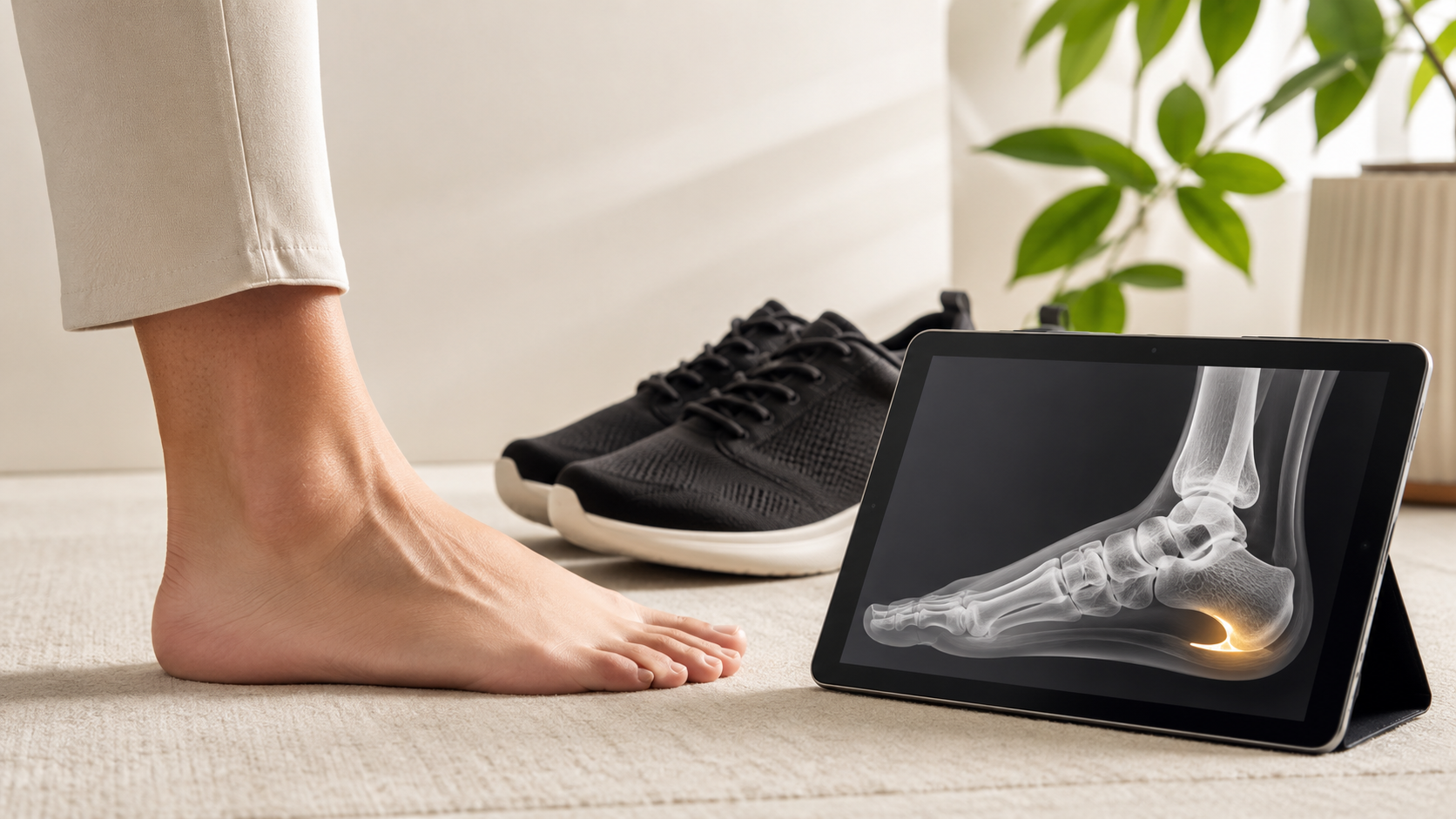
A heel spur is a bony growth that forms on the heel bone, also called the calcaneus. It can develop where soft tissues attach to the heel, often after long-term pulling, pressure, or strain.
The important part: a heel spur does not always cause pain. Some people only discover they have one after an X-ray for another reason. When heel pain is present, the spur may be part of the picture, but not always the main cause.
Bony Growth
A heel spur is a calcium-like bony outgrowth on the heel bone, often developing gradually over time.
Often Painless
A heel spur can exist without symptoms. Pain often comes from irritated tissue around the heel.
Support Helps
Stretching, better shoes, cushioning, and arch support may help reduce everyday heel strain.
Heel Spur Symptoms
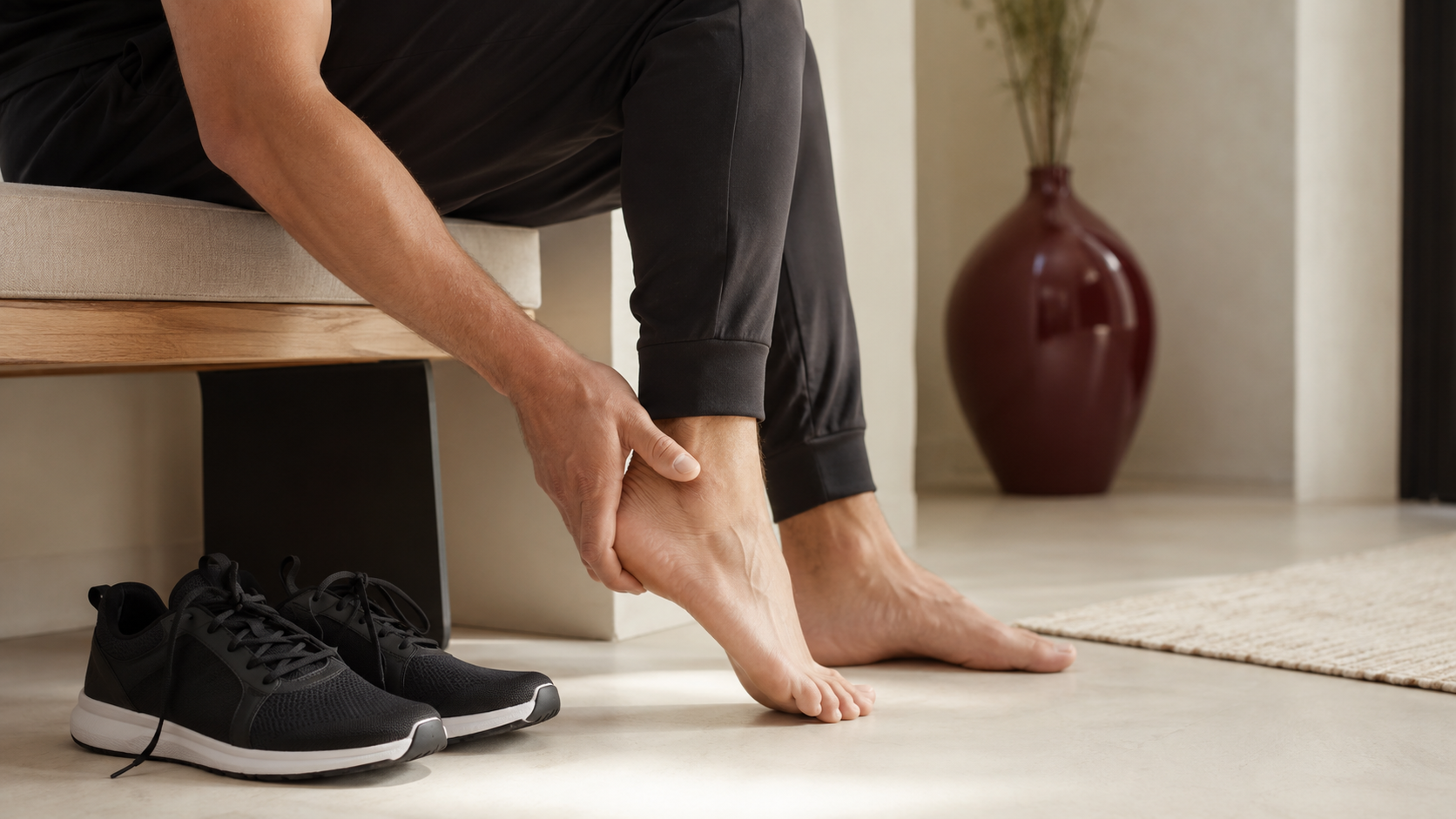
Some heel spurs cause no symptoms at all. Others are associated with heel pain, especially when there is inflammation or strain around the plantar fascia or surrounding soft tissues.
Common Symptoms People Notice
- Sharp or stabbing heel pain with the first steps in the morning.
- Heel soreness after sitting, then standing again.
- A dull ache after long periods of standing or walking.
- Tenderness near the bottom of the heel.
- Warmth, swelling, or irritation around the heel area.
- Discomfort that feels worse in unsupportive or worn-out shoes.
These symptoms can overlap with plantar fasciitis, heel fat pad irritation, Achilles problems, stress fracture, or nerve irritation. That is why symptoms alone do not always identify the exact cause.
What Causes Heel Spurs?
Heel spurs usually develop over time. They are often linked with repeated stress where the plantar fascia, ligaments, or tendons attach to the heel bone.
This does not mean the spur appears overnight. It often reflects months or years of repeated pulling or pressure through the heel.
Common Risk Factors
Plantar Fascia Strain
Long-term tension where the plantar fascia connects near the heel can be associated with spur formation.
Hard-Surface Activity
Running, walking, or standing for long periods on hard surfaces can increase repeated load through the heel.
Unsupportive Shoes
Worn-out, very flat, unstable, or poorly cushioned shoes may increase heel and arch strain.
Foot Mechanics
Flat feet, high arches, overpronation, tight calves, or gait changes can affect how pressure moves through the heel.
How Heel Spurs Are Diagnosed
A heel spur is usually confirmed with imaging, most commonly an X-ray. However, finding a spur does not automatically prove that the spur is causing your pain.
A clinician will usually consider your symptoms, pain location, activity history, shoe wear, medical history, and physical exam. They may also check for other common causes of heel pain.
What a Clinician May Check
| Check | Why It Matters | What It May Help Rule Out |
|---|---|---|
| Pain Location | Heel spur-related discomfort often overlaps with plantar fascia pain. | Plantar fasciitis, fat pad irritation, nerve pain. |
| First-Step Pain | Morning pain can suggest plantar fascia involvement. | Soft tissue irritation around the heel. |
| Weight-Bearing Pain | Deep pain that worsens with load may need closer evaluation. | Stress fracture or bone stress injury. |
| X-Ray | Can show a bony spur on the heel bone. | Bone spur, fracture signs, arthritis changes. |
| Foot Mechanics | Flat feet, high arches, or overpronation can affect heel load. | Support and footwear needs. |
Heel Spur Treatment and Comfort Options
Treatment depends on whether the heel spur is actually causing symptoms and what else is contributing to the pain. Most people start with conservative care before more advanced options are considered.
Common Conservative Options
- Rest from irritating activity: Temporarily reduce running, jumping, or long standing if they worsen pain.
- Ice or cold packs: May help calm soreness after activity.
- Gentle stretching: Calf and plantar fascia stretching can reduce tension through the heel area.
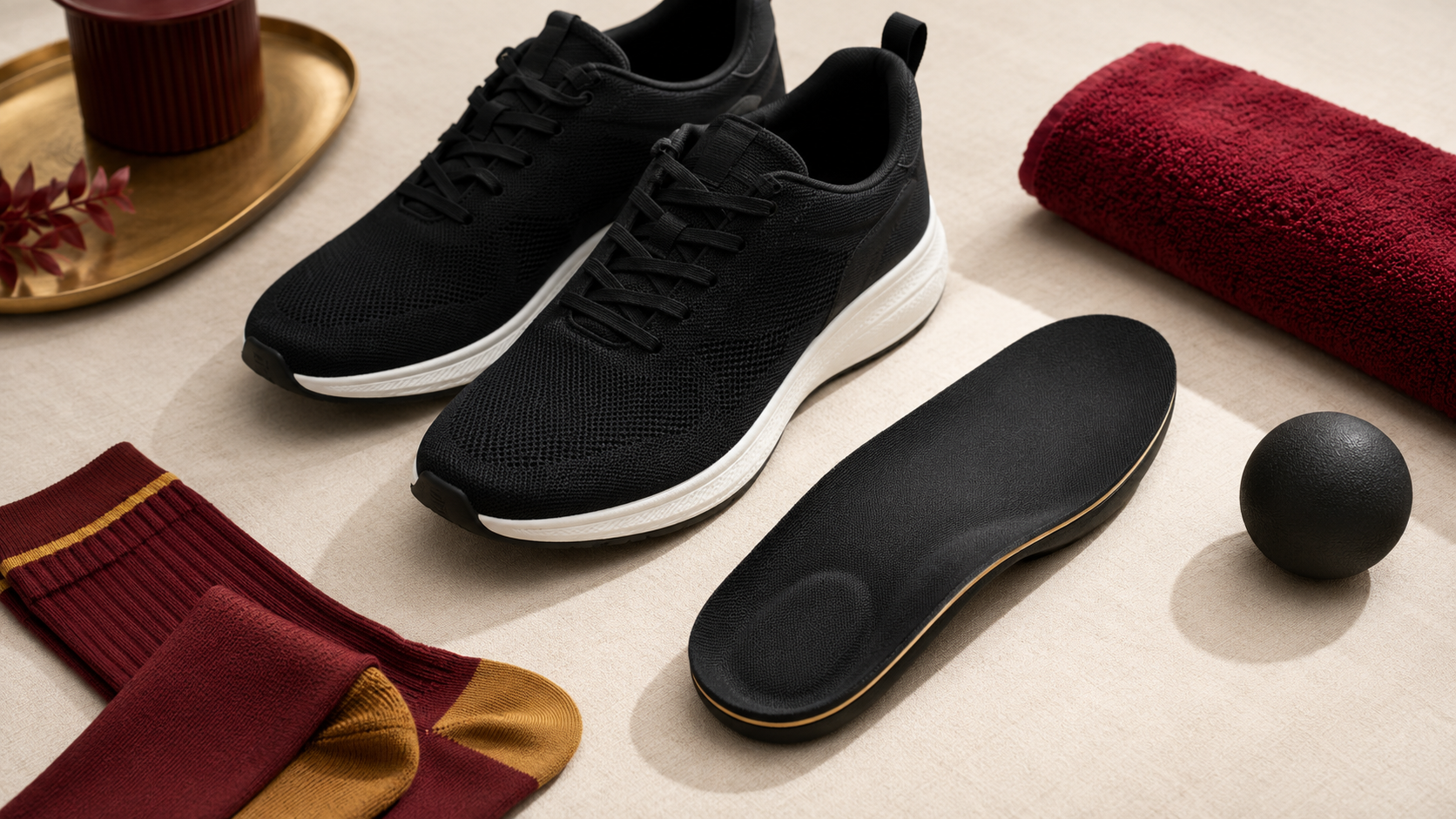
- Supportive footwear: Shoes with cushioning, heel stability, and a stable midsole may reduce repeated strain.
- Heel cushioning or insoles: Supportive inserts can help improve comfort inside compatible shoes.
- Physical therapy: May help with mobility, strengthening, gait, and load management.
- Medication: A clinician may recommend over-the-counter or prescription options when appropriate.
Shoes, Insoles, and Daily Support
Your footwear matters because the heel absorbs impact with every step. If your shoes are thin, flat, unstable, or worn out, the heel may stay irritated even if you stretch consistently.
What to Look For
- Heel cushioning: Helps soften impact under the heel.
- Stable midsole: Helps reduce excessive collapse or wobble.
- Secure heel fit: Helps prevent sliding inside the shoe.
- Arch support: Helps support the foot’s natural shape and reduce strain through the plantar fascia area.
- Low-profile insole fit: Adds support without crowding everyday shoes.
Heel Spur vs Plantar Fasciitis
Heel spurs and plantar fasciitis are often mentioned together, but they are not the same thing.
| Condition | What It Is | How It May Feel |
|---|---|---|
| Heel Spur | A bony growth on the heel bone. | May be painless, or associated with heel tenderness and irritation. |
| Plantar Fasciitis | Irritation of the plantar fascia along the bottom of the foot. | Often causes first-step morning heel pain and arch tightness. |
| Both Together | A heel spur may appear alongside long-term plantar fascia strain. | Pain may come more from irritated soft tissue than the spur itself. |
That is why a smart treatment plan usually focuses on the whole heel environment: load, tissue irritation, shoes, flexibility, strength, and support.
When to Seek Professional Advice
Mild heel discomfort may improve with conservative care, but some symptoms should be checked sooner.
A professional can help confirm whether the pain is related to a heel spur, plantar fasciitis, stress fracture, Achilles issue, nerve irritation, or another condition.
Support Your Heel Comfort Inside Everyday Shoes
Heel spurs do not always need aggressive treatment. For daily comfort, supportive shoes and low-profile insoles can help reduce strain through the heel and arch inside compatible footwear.
FAQ
Is a heel spur always painful?
No. Many heel spurs are painless and are only found on imaging. When pain is present, surrounding tissue irritation may be part of the cause.
Can a heel spur go away on its own?
A bony spur usually does not simply disappear without surgery, but symptoms may improve with conservative care such as stretching, activity changes, supportive shoes, and cushioning.
Is a heel spur the same as plantar fasciitis?
No. A heel spur is a bony growth, while plantar fasciitis involves irritation of the plantar fascia. They can occur together, but they are not the same condition.
Do insoles help heel spurs?
Insoles do not remove heel spurs, but supportive insoles may help improve heel and arch comfort inside compatible shoes by adding cushioning and support.
Should I exercise with a heel spur?
Gentle stretching and strengthening may help, but avoid exercises that create sharp or worsening pain. If symptoms are severe or unusual, get professional advice first.
When is surgery considered for heel spurs?
Surgery is usually considered only when symptoms are severe, persistent, and not improving with conservative care. A foot and ankle specialist can explain whether it is appropriate.
Final Take
A heel spur is a bony growth on the heel bone, but it is not always the direct reason your heel hurts. Pain often comes from the surrounding tissues, repeated load, plantar fascia strain, or poor footwear support.
Start with the basics: reduce irritating activity, stretch gently, check your shoes, add heel cushioning and arch support when appropriate, and seek professional care if symptoms persist or worsen.
InsoleLux insoles are not a cure for heel spurs, but they can be a practical everyday support tool for helping your heel and arch feel more comfortable inside compatible shoes.
