

Guides
Plantar Fasciitis Surgery: When It’s Considered, Risks & Alternatives
Jun
Plantar Fasciitis Surgery: When It’s Considered, Risks & Alternatives
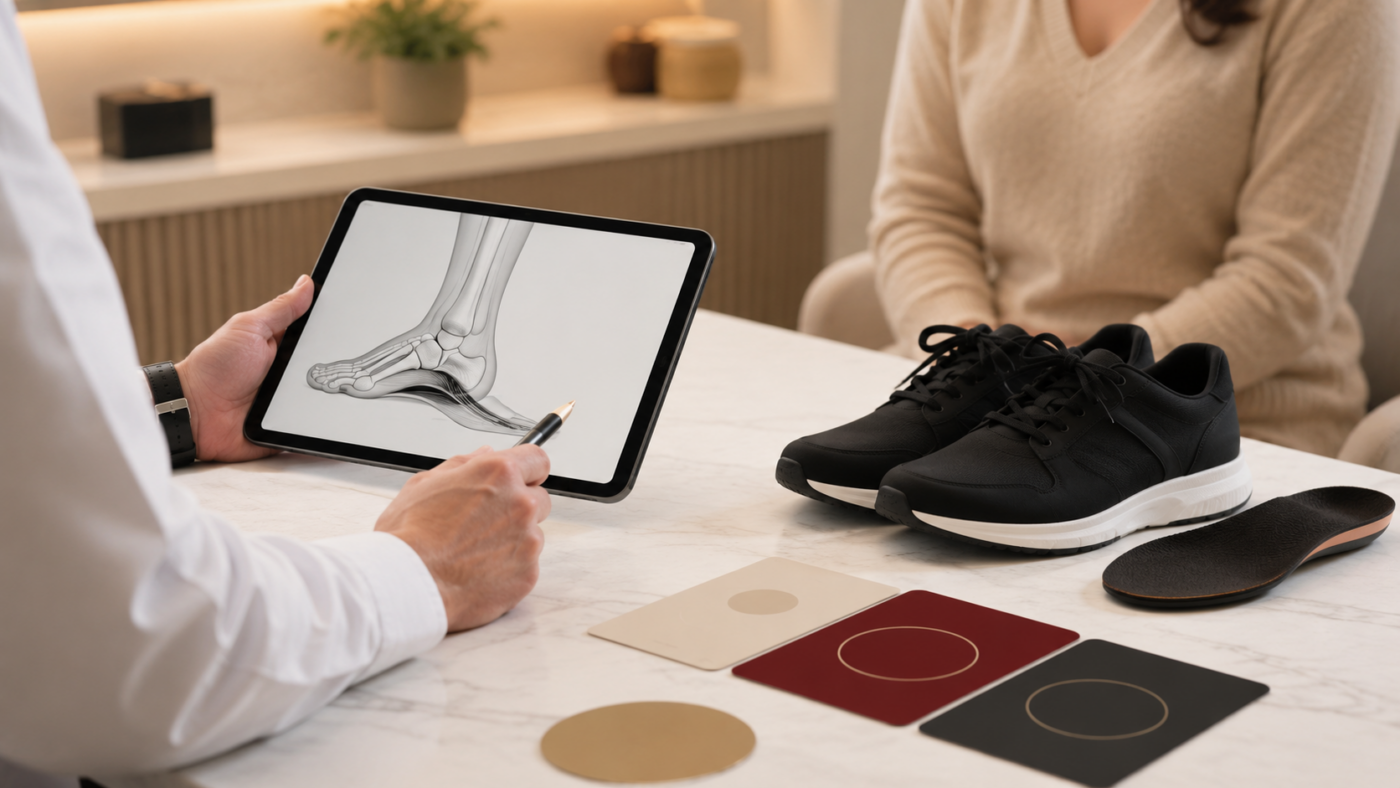
Plantar fasciitis surgery is usually not the first step. For most people, it is only discussed after months of persistent heel pain and after conservative treatment options have not worked well enough.
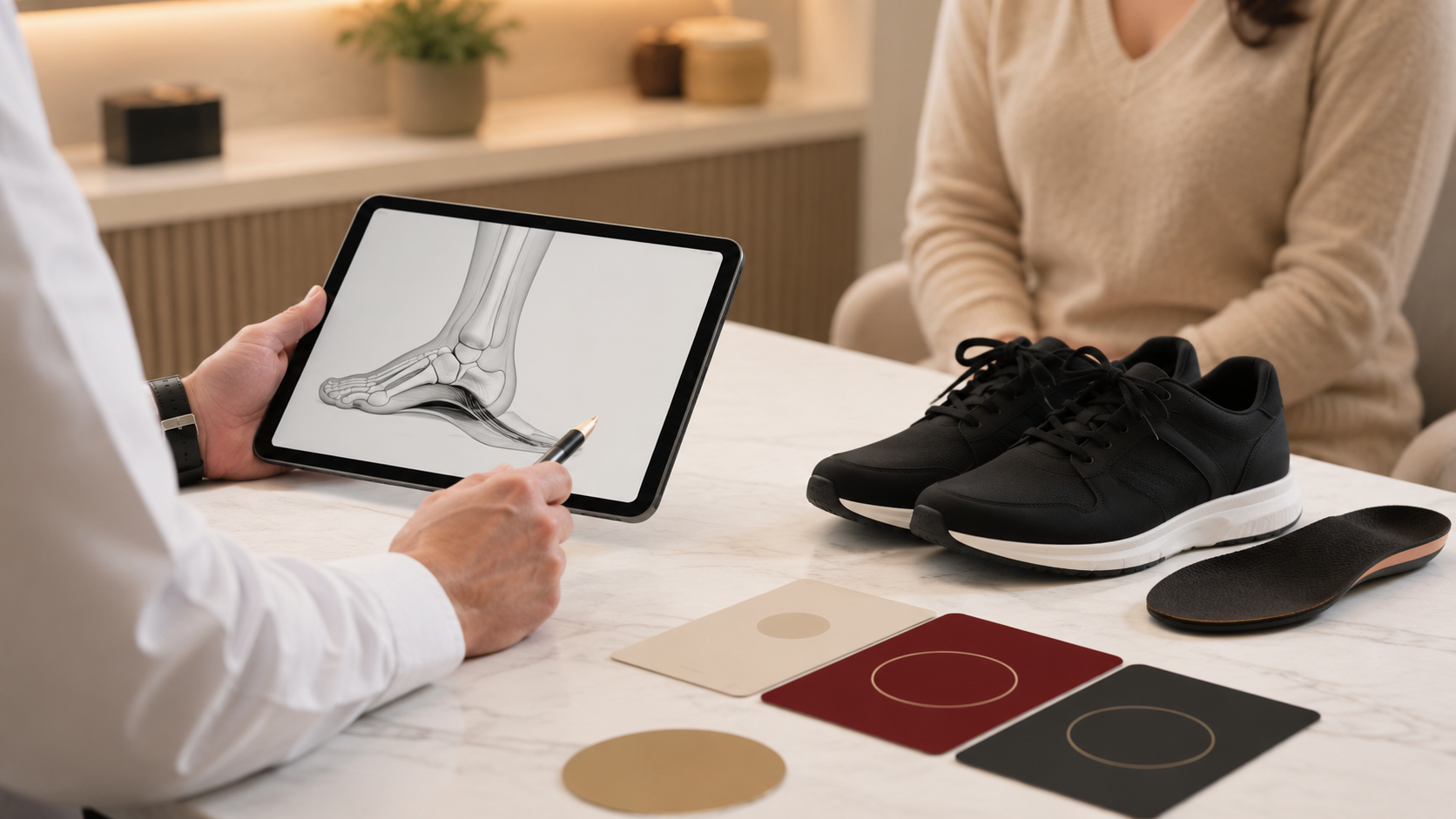
Plantar fasciitis can be stubborn. When heel pain lasts for months and affects walking, work, exercise, or quality of life, it is natural to wonder whether surgery is the next step.
The answer is usually more cautious. Surgery can help some people, but it is typically reserved for severe, persistent cases where conservative care has failed. It also comes with recovery time, possible complications, and decisions that should be made with a qualified foot and ankle specialist.
Quick Answer: Do You Need Surgery for Plantar Fasciitis?
Most people with plantar fasciitis do not need surgery. Surgery is generally considered only when heel pain is serious, long-lasting, and has not improved after a structured period of conservative care.
Conservative care may include activity modification, stretching, physical therapy, supportive footwear, orthotics or insoles, night splints, injections, or other clinician-guided treatments.
Usually Last Resort
Surgery is normally discussed after non-surgical options have not reduced symptoms enough.
Not a Shortcut
Surgery can require weeks to months of recovery, activity limits, and follow-up care.
Plan Matters
A good decision considers diagnosis, pain level, failed treatments, risks, and realistic recovery expectations.
What Plantar Fasciitis Surgery Involves
The most common procedure is called plantar fascia release. The goal is to reduce tension in the plantar fascia by partially releasing part of the tissue where it attaches near the heel.
This may be performed through an open approach or a less invasive endoscopic approach, depending on the surgeon, the foot structure, and the specific case.
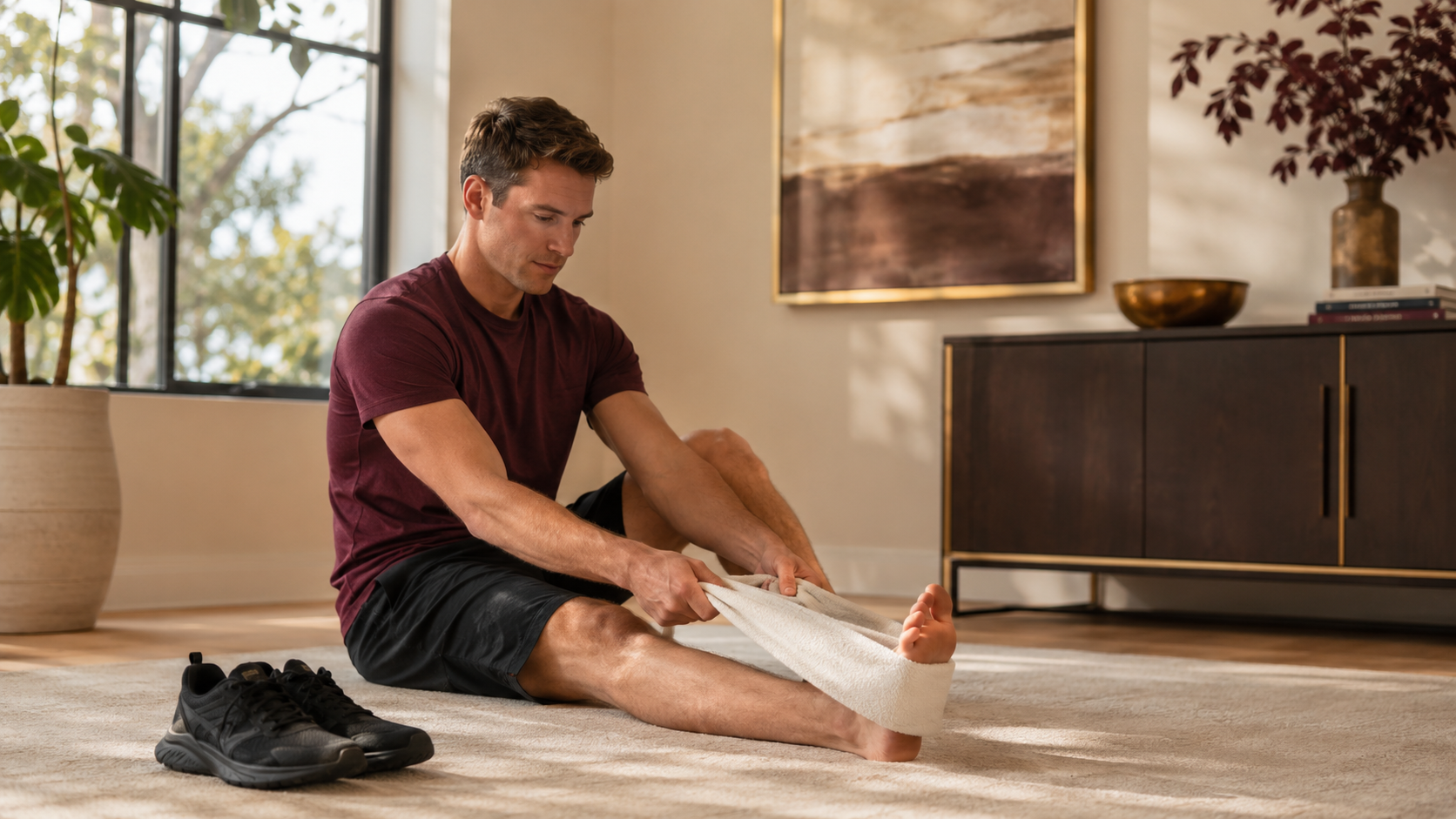
Open vs Endoscopic Approach
| Approach | Basic Idea | What to Discuss |
|---|---|---|
| Open Surgery | A larger incision is used so the surgeon can directly see the fascia attachment area. | Recovery time, incision care, scar sensitivity, and return-to-activity plan. |
| Endoscopic Surgery | A smaller incision and camera-guided tools are used to access the plantar fascia. | Surgeon experience, suitability, recovery expectations, and possible risks. |
| Related Procedures | In some cases, other issues such as a large heel spur or calf tightness may be addressed. | Why the additional procedure is needed and how it changes recovery. |
When Surgery May Be Considered
Surgery is not usually recommended just because heel pain is annoying or because conservative care has only been tried for a short time. It is typically discussed when symptoms remain severe and function-limiting after a serious non-surgical treatment plan.
Common Reasons Surgery Enters the Conversation
Persistent Pain
Heel pain has lasted for many months and still limits walking, work, exercise, or daily activities.
Conservative Care Has Failed
Stretching, footwear changes, physical therapy, orthotics, night splints, and other options have not helped enough.
Diagnosis Is Clear
The clinician has ruled out other heel pain causes, such as stress fracture, nerve irritation, Achilles problems, or fat pad issues.
Risks Are Acceptable
The patient understands potential complications, recovery restrictions, and the possibility that symptoms may not fully resolve.
Potential Benefits of Surgery
For carefully selected patients, surgery may reduce chronic heel pain and improve the ability to walk or return to activities that were limited by plantar fasciitis.
The biggest potential benefit is reducing tension in the plantar fascia when that tissue has remained painful despite a long period of non-surgical care.
Risks and Limitations to Understand
Like any procedure, plantar fasciitis surgery has risks. These vary based on technique, surgeon, patient health, foot structure, and how much fascia is released.
| Possible Issue | What It Means | Why It Matters |
|---|---|---|
| Persistent Pain | Heel pain may not fully go away after surgery. | There may be another pain source or ongoing load issue. |
| Arch or Foot Mechanics Changes | Partial fascia release can affect the support system of the arch. | This may matter more for flat feet, overpronation, or active lifestyles. |
| Nerve Symptoms | Tingling, numbness, sensitivity, or nerve irritation can occur. | These symptoms may affect comfort during recovery. |
| Scar or Incision Sensitivity | The incision area may feel tender or sensitive. | Footwear choices may be limited during healing. |
| Infection or Wound Issues | Any incision can carry infection or healing risks. | Risk may be higher in some health conditions. |
| Recovery Time | Return to normal walking, work, or exercise can take time. | Surgery is not an instant return to activity. |
Recovery Expectations After Plantar Fasciitis Surgery
Recovery depends on the procedure, surgeon instructions, incision type, job demands, activity level, and how your foot responds. Some people return to basic walking relatively quickly, while full comfort and higher activity may take longer.
Recovery May Include
- Rest and elevation in the early stage.
- Bandaging, dressing care, or a boot depending on the procedure.
- Limited weight-bearing if recommended by the surgeon.
- Gradual return to everyday shoes.
- Physical therapy or mobility work.
- Supportive footwear during the return-to-walking phase.
- A slow return to running, training, or long standing days.
The key is to follow your provider’s instructions rather than rushing because the heel feels temporarily better.
Alternatives to Surgery
Before surgery, clinicians often consider a range of non-surgical options. The right mix depends on your diagnosis, pain level, foot mechanics, and what has already been tried.
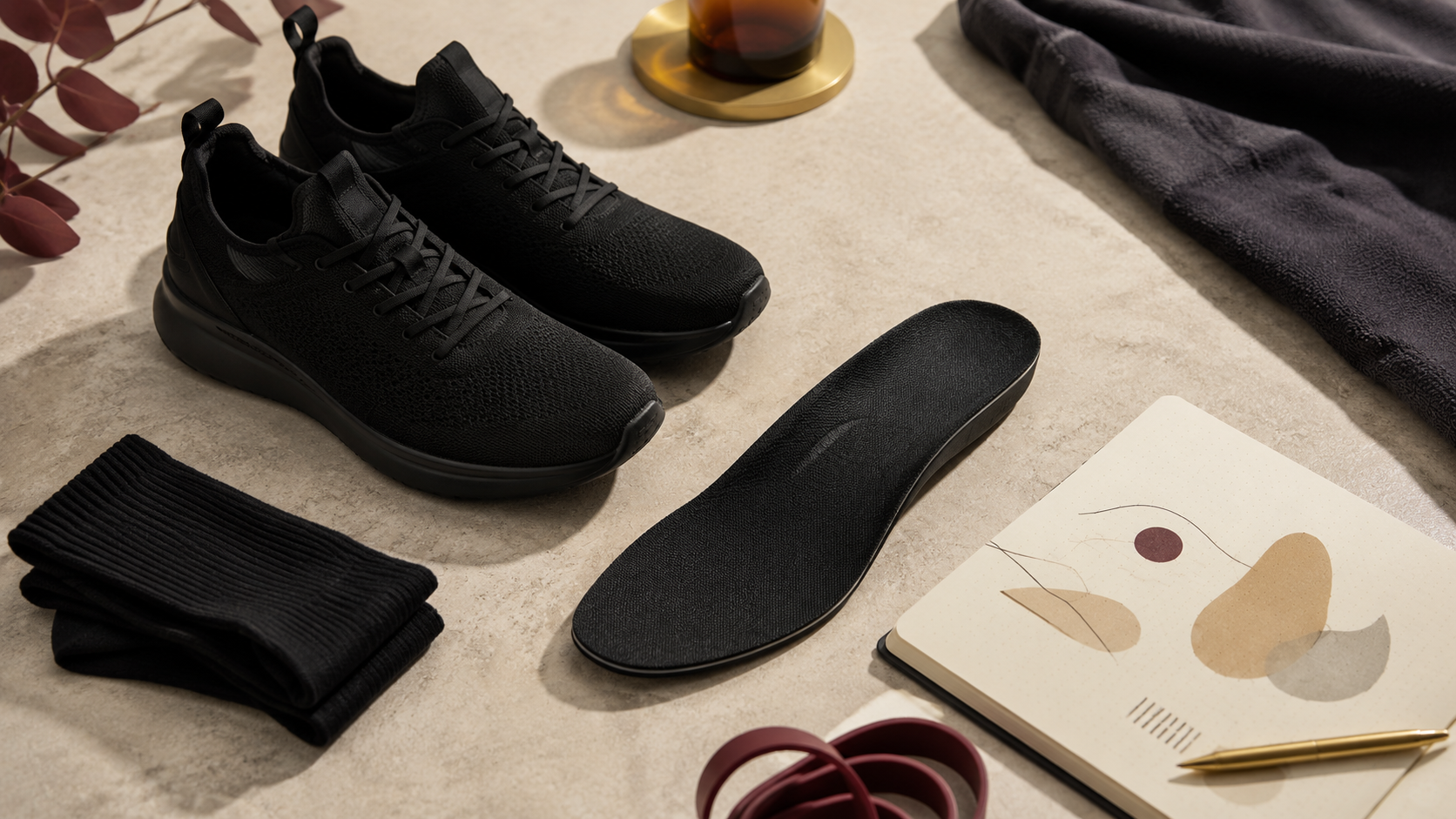
Conservative Options to Discuss
- Activity modification: Reducing the loads that repeatedly irritate the heel.
- Stretching: Calf, Achilles, and plantar fascia stretching to reduce tension.
- Physical therapy: Strength, mobility, gait, taping, and gradual loading guidance.
- Supportive shoes: Better heel cushioning, stable midsoles, and secure fit.
- Orthotics or insoles: Support to improve underfoot comfort inside compatible shoes.
- Night splints: Used by some people to reduce morning first-step pain.
- Injections: Cortisone or other injection options may be discussed for persistent cases.
- Shockwave therapy: A non-surgical treatment sometimes considered for chronic plantar fasciitis.
Questions to Ask Before Considering Surgery
If surgery comes up, go into the appointment prepared. These questions can help you understand whether it is truly the right next step.
- Is my diagnosis definitely plantar fasciitis?
- Have we ruled out stress fracture, nerve pain, Achilles issues, or fat pad irritation?
- Which conservative treatments have I tried long enough?
- What type of surgery are you recommending and why?
- Will it be open, endoscopic, or another technique?
- How much of the plantar fascia will be released?
- What are the main risks for my foot type?
- How long before I can walk normally?
- When can I return to work, exercise, or running?
- What happens if surgery does not fully resolve the pain?
- What footwear or support will I need afterward?
Where Shoes and Insoles Fit
Shoes and insoles do not replace surgery when surgery is truly needed. But they are often part of the conservative care stage and may also matter when you return to everyday footwear after professional clearance.
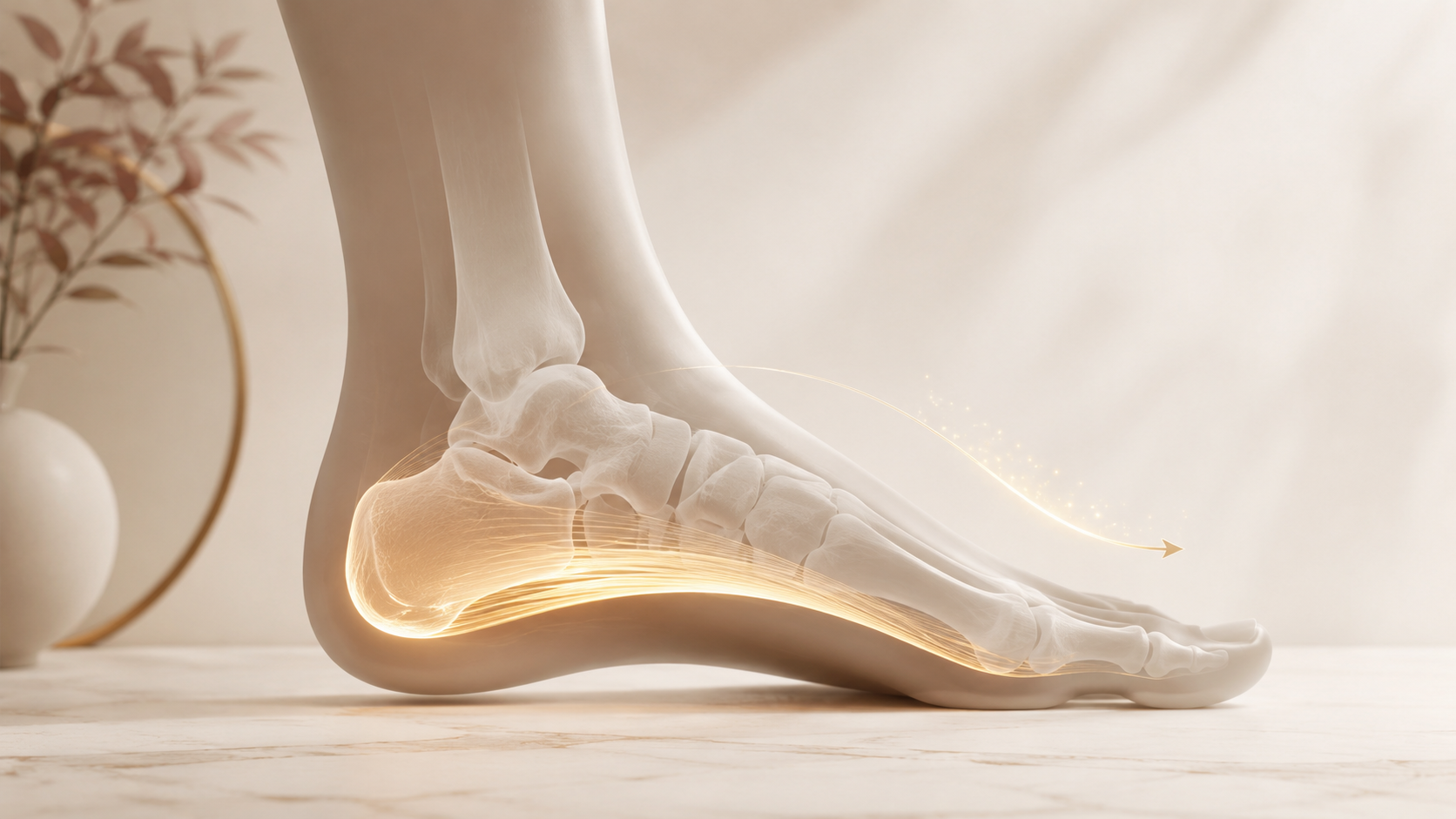
What Support Should Do
- Cushion the heel: Reduce harsh impact during walking and standing.
- Support the arch: Help the foot feel more stable inside the shoe.
- Fit low-profile: Avoid crowding the toes or lifting the heel too much.
- Work with the shoe: Pair best with shoes that have enough internal space and a stable base.
- Support, not mask: Do not use insoles to push through worsening or unexplained heel pain.
Support Your Heel Comfort Before Bigger Treatment Decisions
If you are still in the conservative care stage, supportive footwear can be part of a practical daily comfort plan. InsoleLux insoles are designed for low-profile support inside compatible everyday shoes.
FAQ
Is surgery common for plantar fasciitis?
No. Most people are treated without surgery. Surgery is usually reserved for severe, persistent cases that have not improved with conservative care.
What is plantar fascia release?
Plantar fascia release is a procedure where part of the plantar fascia is cut or released to reduce tension near the heel. It may be performed through an open or endoscopic approach.
How long should I try conservative care before surgery?
This depends on your case, but surgery is generally discussed only after a substantial period of non-surgical care has failed. Your clinician can guide the right timeline.
Can surgery make plantar fasciitis worse?
Surgery can help some people, but it carries risks such as persistent pain, nerve symptoms, scar sensitivity, infection, and changes in foot mechanics. Discuss your personal risk profile with your surgeon.
Will I need insoles after plantar fasciitis surgery?
Your surgeon or clinician may recommend supportive footwear or insoles during recovery or long-term return to activity. Follow their guidance based on your procedure and foot mechanics.
Are insoles an alternative to surgery?
Insoles are not a replacement for surgery when surgery is medically needed. However, supportive insoles may be part of conservative care and can help improve daily comfort inside compatible shoes.
When should I seek professional care for plantar fasciitis?
Seek care if heel pain is severe, persistent, worsening, caused by injury, linked with swelling or numbness, or affecting your ability to walk or work.
Final Take
Plantar fasciitis surgery can be helpful for some people with severe, persistent heel pain, but it is usually a last-resort option after conservative care has not worked.
Before considering surgery, make sure the diagnosis is clear, other heel pain causes have been ruled out, and non-surgical options have been tried consistently.
Supportive shoes and insoles are not a surgical substitute, but they can play a practical role in conservative care and in helping your feet feel more supported during everyday movement.
