

Guides
Does Shock Wave Therapy for Plantar Fasciitis Work?
Jun
Does Shock Wave Therapy for Plantar Fasciitis Work?
Shock wave therapy is a non-invasive treatment option sometimes used for chronic plantar fasciitis. It may help some people, but it is usually considered after simpler conservative treatments have not worked well enough.

Plantar fasciitis can be frustrating when stretching, rest, supportive shoes, and insoles do not bring enough improvement. At that point, some people start looking into advanced options such as shock wave therapy.
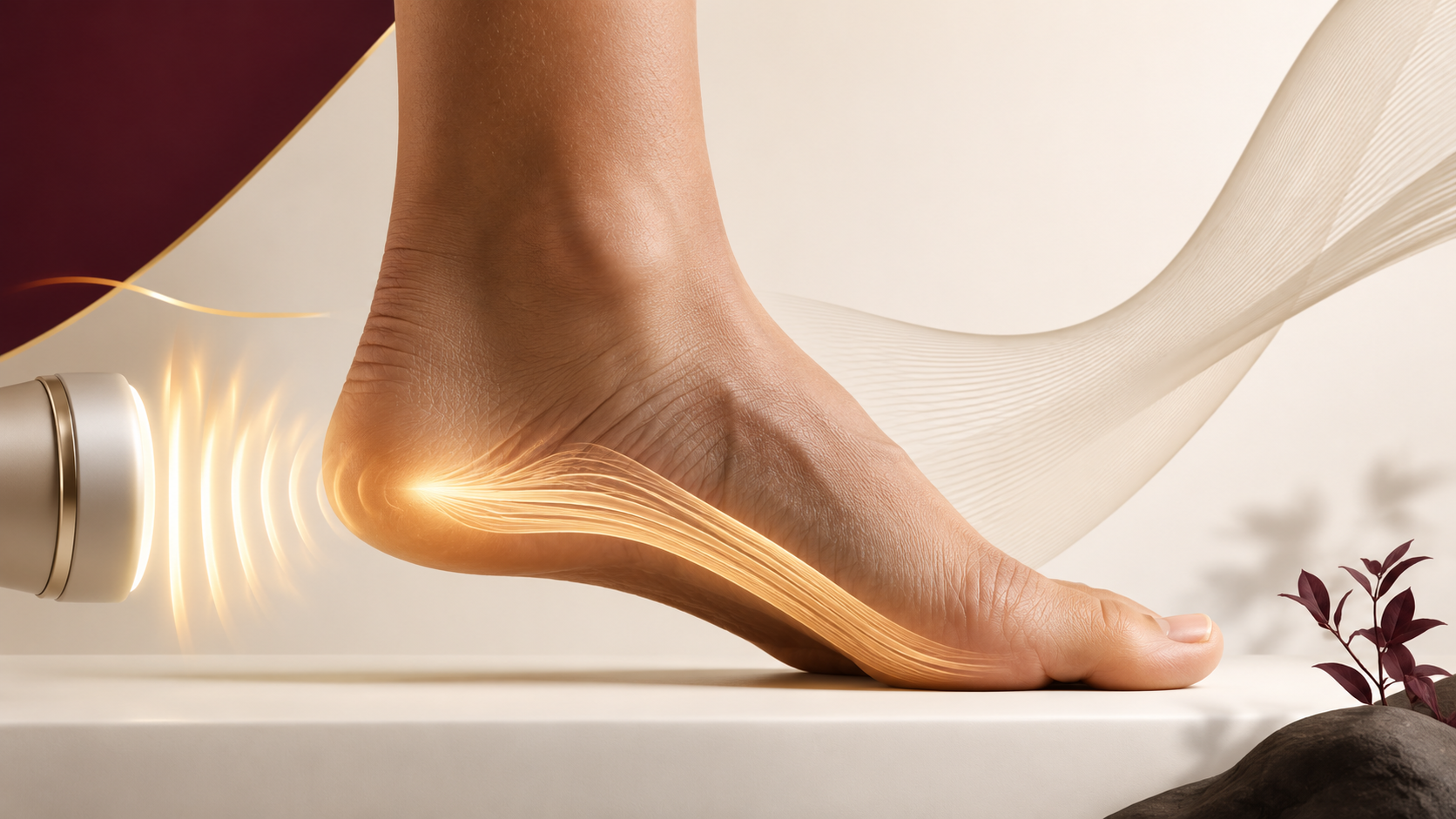
Shock wave therapy, also called extracorporeal shock wave therapy or ESWT, uses acoustic energy directed toward the painful heel area. The goal is to stimulate a healing response in irritated plantar fascia tissue.
Quick Answer: Does Shock Wave Therapy Work for Plantar Fasciitis?
Shock wave therapy may help some people with chronic plantar fasciitis, especially when symptoms have not improved after conservative treatment. However, results are not guaranteed, and improvement may happen quickly for some people while taking several weeks for others.
It is usually not the first treatment to try. Most people start with traditional options such as stretching, ice therapy, supportive footwear, orthotics, insoles, activity changes, and professional guidance.
Non-Invasive
Shock wave therapy does not involve surgery, cutting, or an incision, so recovery is usually shorter than surgical procedures.
Mixed Results
Some people respond well, while others get limited improvement. Effectiveness can vary by case, severity, and treatment method.
Usually Later-Stage
It is often considered after months of conservative care have not improved persistent heel pain.
What Is Shock Wave Therapy?
Shock wave therapy uses high-energy acoustic waves directed into a targeted area of the body. For plantar fasciitis, those waves are applied around the painful heel and plantar fascia region.
The treatment is intended to stimulate the body’s healing response in tissue that has become irritated or slow to recover. It is called “extracorporeal” because the shock waves are generated outside the body and delivered through the skin.
Why People Consider It
- It is non-invasive compared with surgery.
- It may be considered when simpler treatments have not helped enough.
- It does not usually leave a scar or require surgical wound healing.
- It may be an option before more invasive procedures are discussed.
How Effective Is Shock Wave Therapy?
Shock wave therapy is often described as an alternative treatment for stubborn plantar fasciitis. Some people feel improvement quickly, while others may need several weeks to notice a difference.
The important point is that effectiveness is not the same for everyone. Research and clinical experience are mixed, and the result can depend on how long you have had symptoms, how severe the condition is, what other treatments you have tried, and how the therapy is performed.
Why Results Can Vary
- Some cases of heel pain may not be true plantar fasciitis.
- Chronic symptoms can be harder to improve quickly.
- Footwear, activity load, and daily standing habits may continue to irritate the heel.
- Different clinics may use different shock wave devices, doses, and protocols.
- Some people may need multiple treatment sessions before noticing change.
What Happens During Shock Wave Therapy?
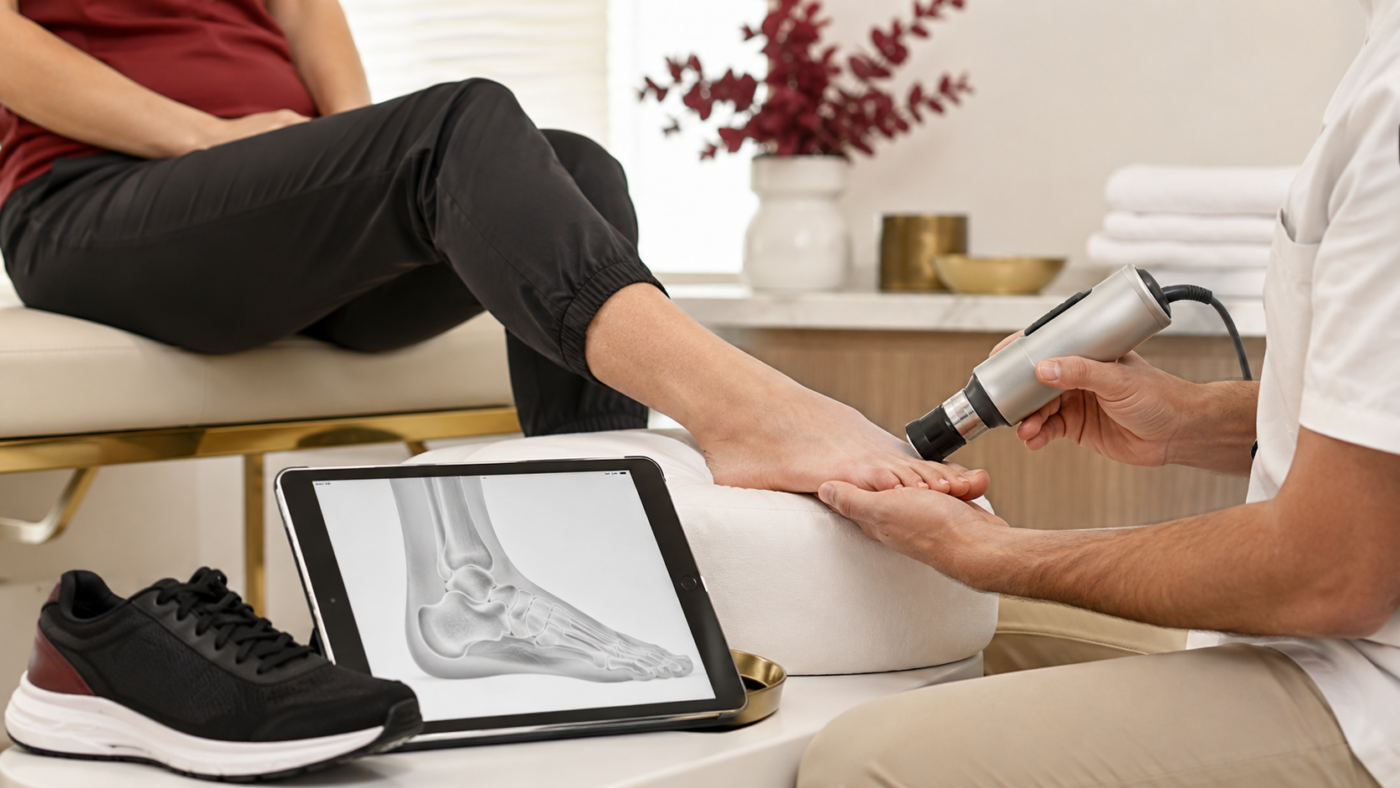
The procedure is usually straightforward and relatively quick. A clinician identifies the painful area and applies ultrasound gel or another contact medium so the device can deliver shock waves through the skin.
A handheld wand-like device is then placed over the heel area. Depending on the type and intensity of therapy, the treatment may feel uncomfortable, mildly painful, or more intense.
Low-Dose vs High-Dose Treatment
| Type | What It May Feel Like | What to Ask |
|---|---|---|
| Lower-Energy Therapy | Often more tolerable and may be done across several sessions. | How many sessions are recommended and when improvement is expected. |
| Higher-Energy Therapy | May feel more painful and can sometimes cause temporary soreness or bruising. | Whether anesthesia is used and what recovery restrictions apply. |
| Protocol Differences | Clinics may vary in device type, intensity, session length, and follow-up plan. | What specific device and evidence your provider relies on. |
Risks, Limits, and Cost Concerns
Although shock wave therapy is non-invasive, that does not mean it is the right choice for every person with plantar fasciitis. Cost, discomfort, mixed evidence, and the need for multiple sessions are all worth considering.
Potential Downsides
- Cost: Shock wave therapy can be expensive, especially if multiple sessions are needed.
- Variable results: Some people improve, while others may still have heel pain afterward.
- Temporary soreness: The treated area may feel more sensitive after a session.
- Bruising or irritation: Higher-energy treatment can sometimes cause superficial bruising or discomfort.
- Not always covered: Insurance coverage may vary depending on location, provider, and policy.
- Diagnosis matters: If heel pain is actually from another cause, ESWT may not address the real issue.
Alternative Plantar Fasciitis Treatments
The source article recommends trying traditional plantar fasciitis treatments before moving toward shock wave therapy. That usually means giving conservative care enough time, often several months, before considering more advanced options.
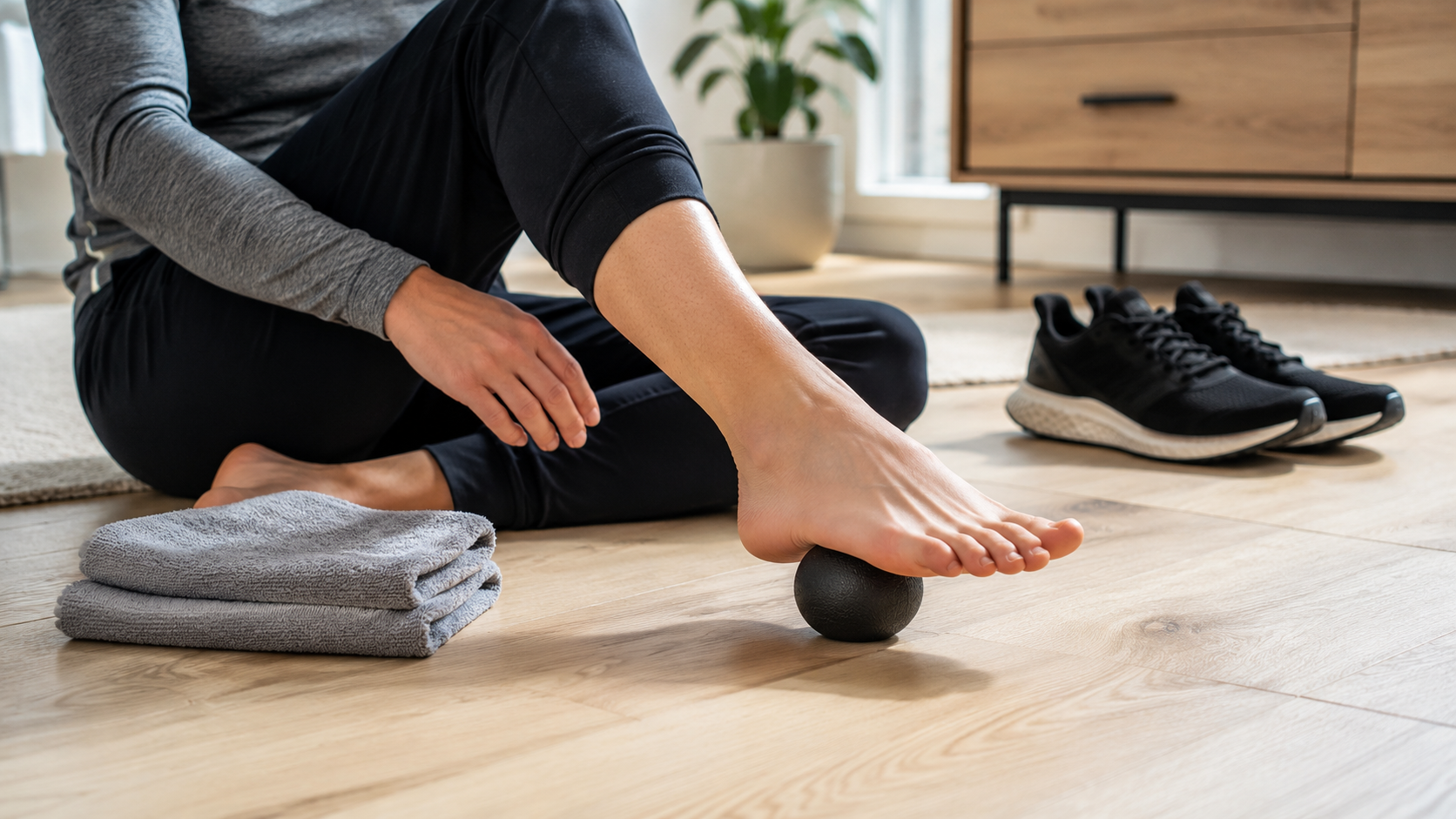
Common Conservative Options
Stretches and Exercises
Gentle calf, Achilles, and plantar fascia stretches can reduce tension through the heel and arch. Foot strengthening may also help support daily movement.
Ice Therapy
Ice packs or frozen bottle rolling may help calm soreness after activity or during flare-ups.
Custom Orthotics
Custom orthotics are made for your specific foot shape and may be recommended by a professional when more tailored support is needed.
Off-the-Shelf Orthotics, Inserts, and Insoles
Over-the-counter support can help improve heel cushioning and arch comfort inside compatible shoes.
If these options do not improve symptoms after a consistent trial, then shock wave therapy may be a reasonable topic to discuss with a clinician.
When Should You Consider Shock Wave Therapy?
Shock wave therapy is usually considered for plantar fasciitis that has become chronic or has not responded to simpler care. It may be more relevant if symptoms have lasted for months, affect walking or work, and have not improved with a structured conservative plan.
| Situation | Better First Step | When ESWT May Enter the Discussion |
|---|---|---|
| Recent mild heel pain | Supportive shoes, gentle stretching, reduced trigger activity, ice if helpful. | Usually not yet. Start with conservative care. |
| Symptoms for several weeks | Physical therapy, footwear review, insoles or orthotics, activity modification. | If symptoms are not improving and diagnosis is clear. |
| Symptoms for 6–12 months | Professional reassessment and structured treatment plan. | More reasonable to discuss ESWT or other advanced options. |
| Unusual or severe pain | Medical evaluation to rule out stress fracture, nerve pain, or another condition. | Only after the correct diagnosis is confirmed. |
Questions to Ask Your Provider
- Is my diagnosis definitely plantar fasciitis?
- Have we ruled out stress fracture, nerve irritation, Achilles issues, or fat pad problems?
- Which conservative treatments have I tried long enough?
- What type of shock wave therapy do you use?
- How many sessions will I likely need?
- How much does it cost, and is it covered by insurance?
- What side effects should I expect?
- When should I notice improvement?
- What happens if it does not work?
Where Shoes and Insoles Fit
Shock wave therapy does not remove the need for daily foot support. Even if you pursue advanced treatment, your heel and arch still experience load every time you stand, walk, or work.
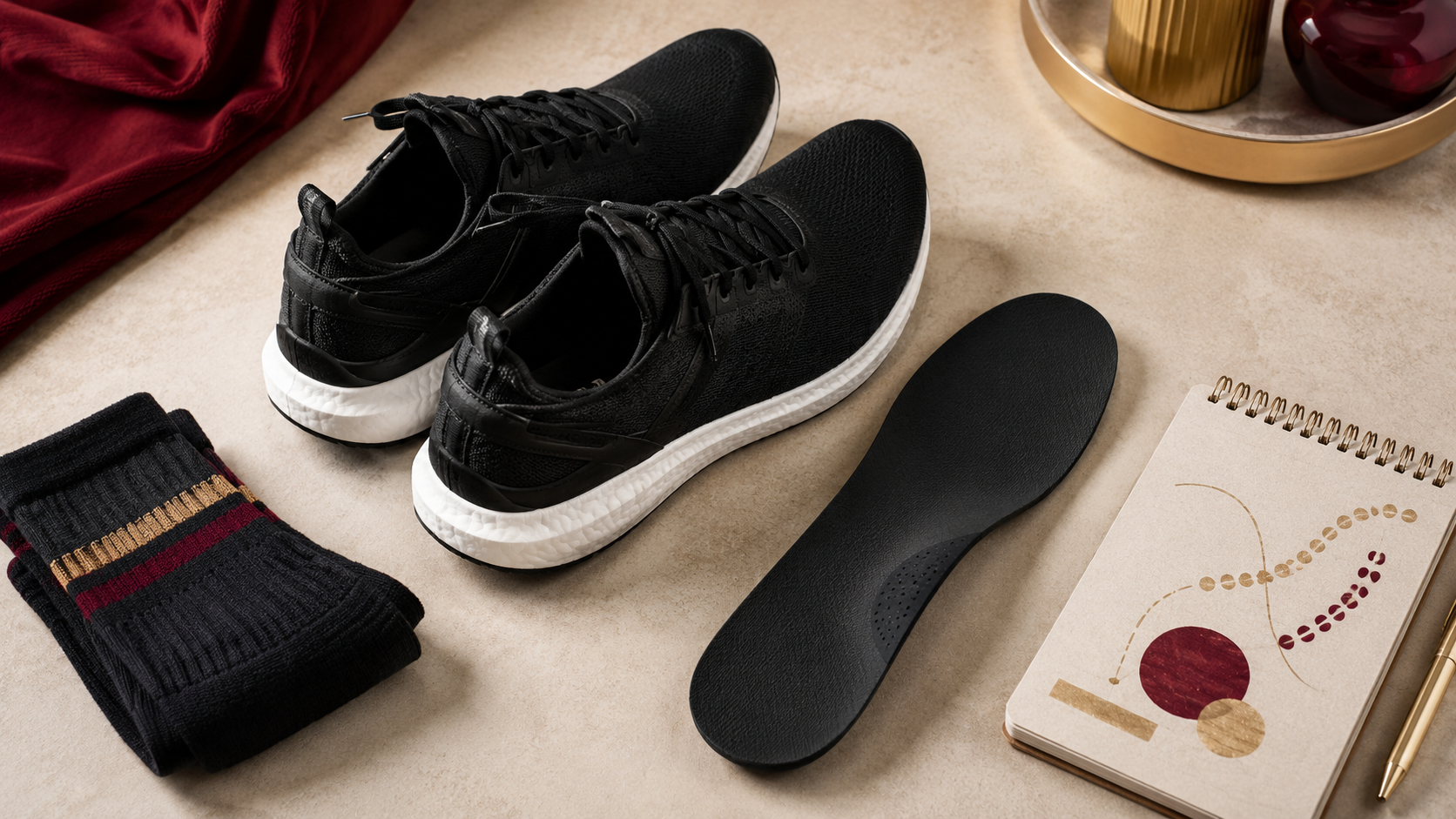
Supportive Footwear May Help By Adding
- Heel cushioning: Helps soften repeated impact during walking and standing.
- Arch support: Helps support the foot’s natural shape inside the shoe.
- Stability: Helps reduce excessive movement inside the shoe.
- Pressure distribution: Helps reduce concentrated stress under the heel.
- Low-profile comfort: Adds support without overcrowding compatible everyday shoes.
Start With Everyday Support Before Bigger Treatment Decisions
Many plantar fasciitis treatment plans begin with reducing daily strain. InsoleLux insoles are designed to add low-profile arch support and heel comfort inside compatible everyday shoes.
FAQ
What is shock wave therapy for plantar fasciitis?
Shock wave therapy, or ESWT, uses acoustic waves directed toward the heel and plantar fascia area to stimulate a healing response in irritated tissue.
Does shock wave therapy work for plantar fasciitis?
It may help some people with chronic plantar fasciitis, but results vary. It is generally considered after conservative treatments have not provided enough improvement.
Is shock wave therapy painful?
It can be uncomfortable. Lower-energy treatment may be more tolerable, while higher-energy treatment may cause more pain, soreness, or temporary bruising.
How many sessions are needed?
The number of sessions depends on the provider, device, treatment intensity, and your case. Ask your clinician what protocol they use and when improvement is expected.
Should I try shock wave therapy before insoles or stretching?
Usually no. Most people start with conservative care such as supportive shoes, insoles, stretching, ice, activity changes, and physical therapy before considering ESWT.
Are there risks with shock wave therapy?
Possible downsides include discomfort, temporary soreness, bruising, cost, mixed results, and the possibility that the treatment may not fully resolve symptoms.
Can insoles help if I am considering shock wave therapy?
Supportive insoles may help improve daily heel and arch comfort inside compatible shoes, but they should be used as part of a broader plan and not as a substitute for medical advice.
Final Take
Shock wave therapy for plantar fasciitis may help some people with chronic heel pain, especially when simpler treatments have not worked well enough. It is non-invasive, but it is not a guaranteed cure.
Because results can vary and costs can be high, it makes sense to try conservative care first: stretching, ice therapy, supportive shoes, insoles or orthotics, activity changes, and professional guidance.
If symptoms continue for months despite consistent care, shock wave therapy may be worth discussing with a qualified clinician who can confirm your diagnosis and explain the realistic benefits, risks, and next steps.
