

Guides
A Simple Plantar Fasciitis Stretch for Faster Heel Comfort
Jun
A Simple Plantar Fasciitis Stretch for Faster Heel Comfort
This gentle stretch may help some people reduce plantar fasciitis discomfort, but it is not a guaranteed cure. Learn how to try it safely, what to avoid, and how to support your feet afterward.
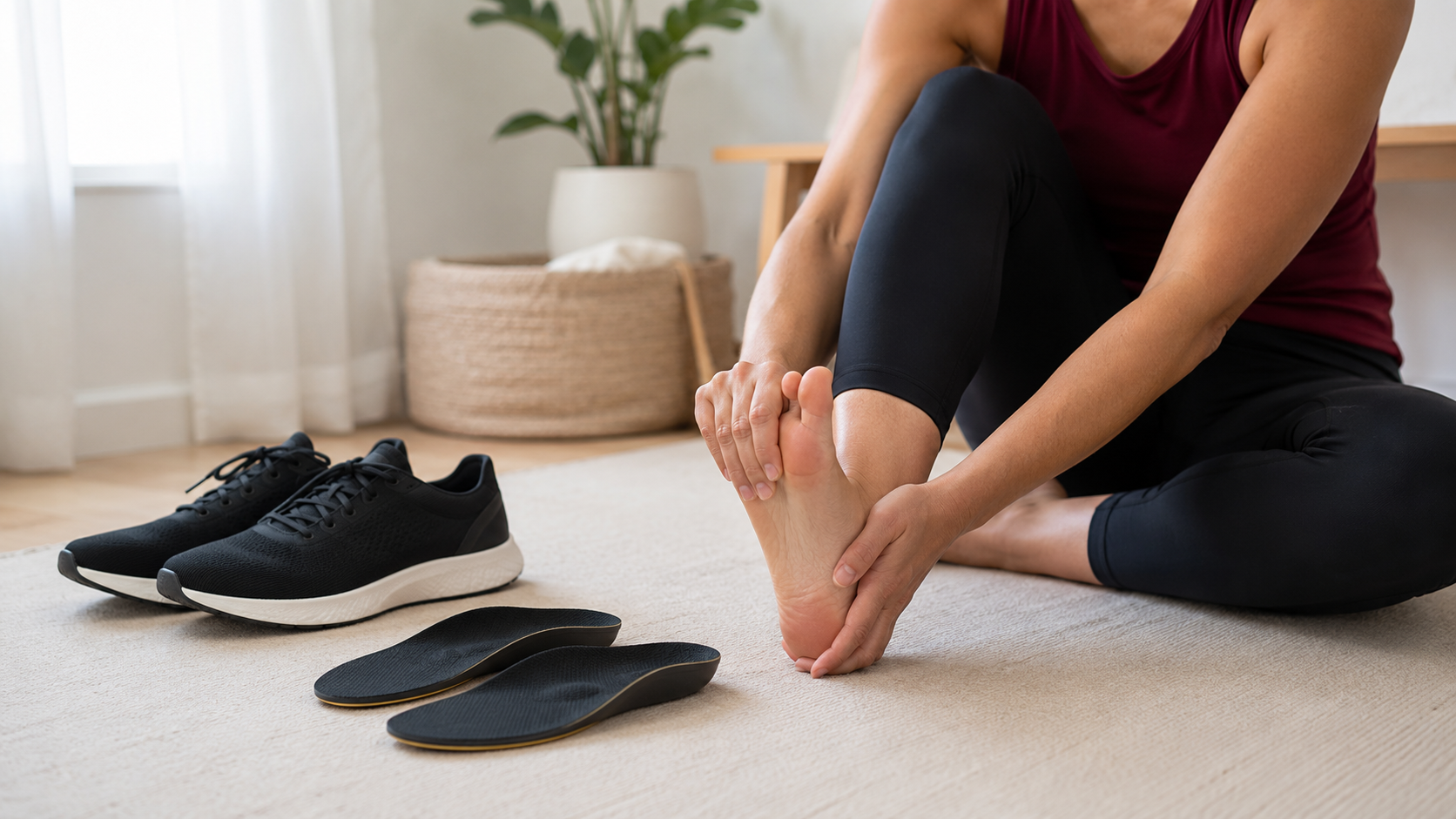
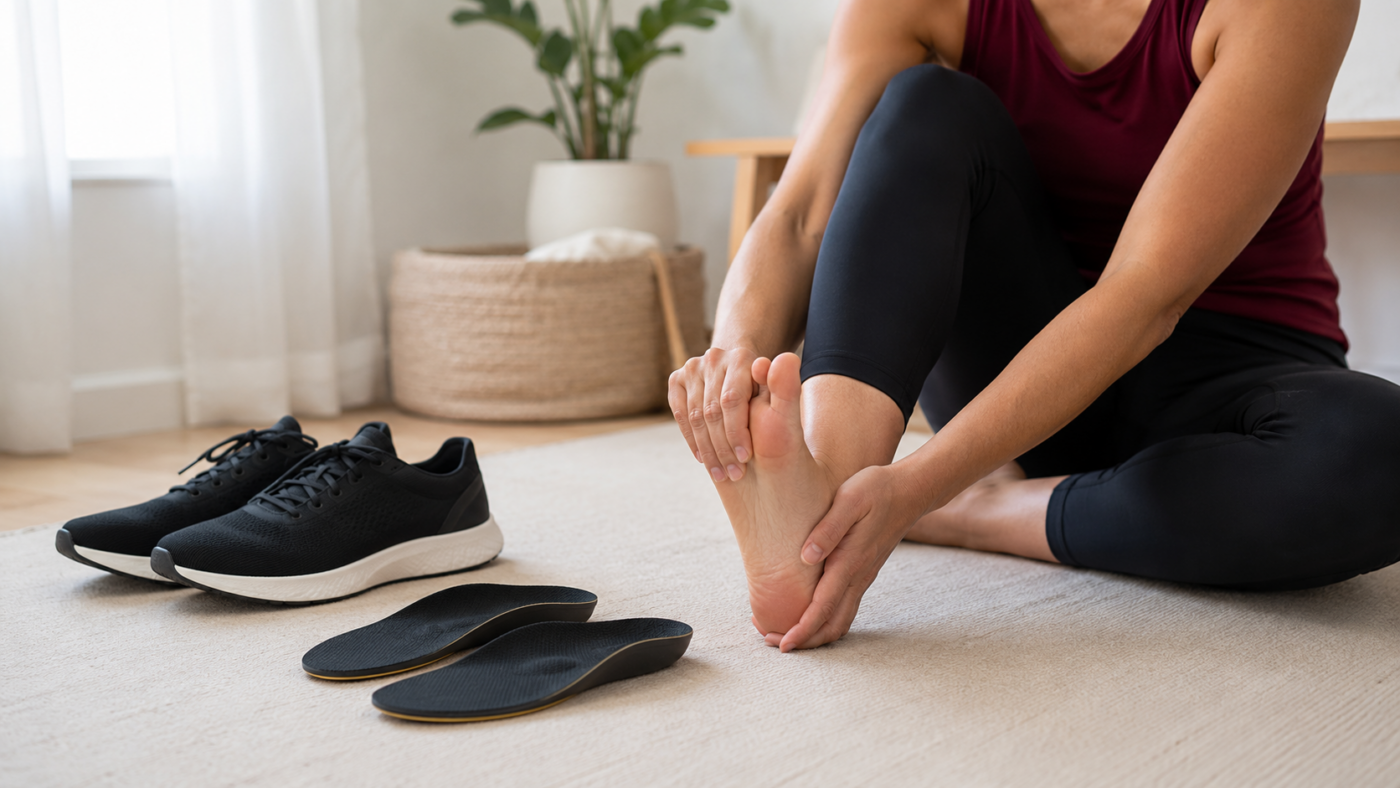
Plantar fasciitis can make the first steps of the day feel sharp, tight, or uncomfortable. Many people try calf stretches, towel stretches, rolling, massage, ice, and supportive footwear to reduce heel and arch strain.
The stretch below is different from the common “pull the toes upward” plantar fascia stretch. Instead, it focuses on gently stretching the toes downward, which targets the top of the foot and muscles around the shin.
Some people may feel quick improvement after trying it, while others may need a broader support plan or professional care. The key is to move gently, compare symptoms before and after, and avoid forcing the stretch.
Quick Answer: What Is This Plantar Fasciitis Stretch?
This stretch is done by sitting with one foot resting across the opposite knee, then gently stretching the toes downward and releasing. It is repeated slowly for several repetitions on each foot.
The goal is not to aggressively pull, massage, or force the plantar fascia. The goal is to use a gentle movement that may reduce tension for some people and help the foot feel more comfortable.
Check First
Rate your heel or arch discomfort before the stretch so you can compare how it feels afterward.
Move Gently
Stretch the toes downward slowly, release, and avoid forcing the foot into a painful position.
Support Daily
Stretching works best with supportive shoes, reduced strain, and consistent foot-care habits.
Before You Start: Check Your Pain Level

Before doing the stretch, take a moment to notice your current discomfort. You do not need a formal test. Simply rate how your heel or arch feels from 1 to 10, where 1 feels mild and 10 feels severe.
After the stretch, rate it again. This helps you understand whether the movement feels helpful, neutral, or irritating for your foot.
Simple Pre-Stretch Checklist
- Where do you feel discomfort: heel, arch, or both?
- Is it sharp, tight, aching, burning, or tender?
- Does it feel worse when standing or after rest?
- Is there swelling, numbness, tingling, or injury history?
- Does your foot feel safe enough for gentle movement?
The Simple Seated Plantar Fasciitis Stretch
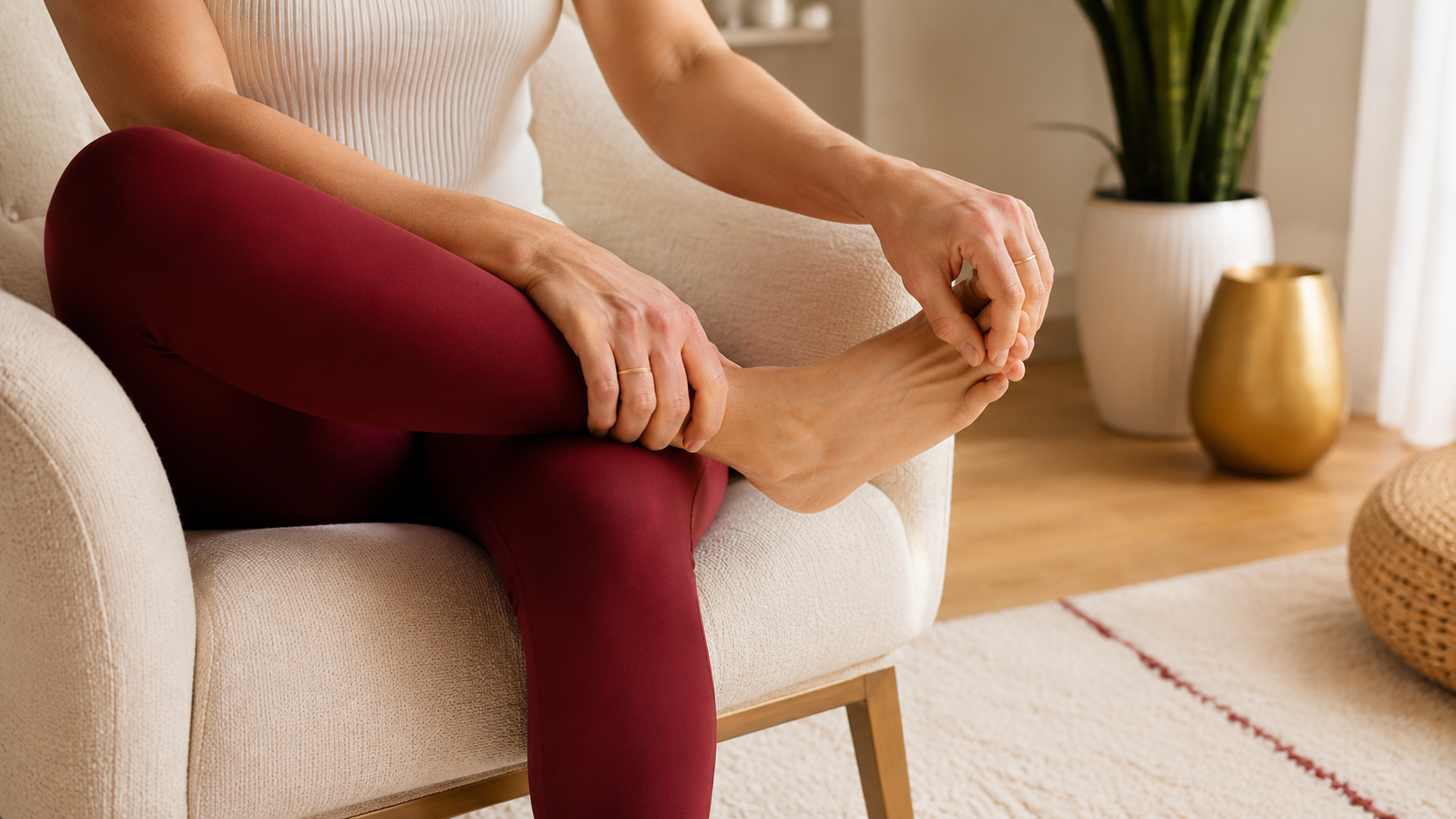
This is the main stretch from the source article. It is done while seated, with the foot resting across the opposite knee. Instead of pulling the toes upward, you gently stretch them downward and then release.
How to Do It
- Sit comfortably on a chair.
- Rest one foot across the opposite knee.
- Hold the foot gently with your hands.
- Slowly stretch the toes downward.
- Release back to a relaxed position.
- Repeat slowly 10 to 20 times on each foot if comfortable.
Alternative Method: Kneeling Stretch
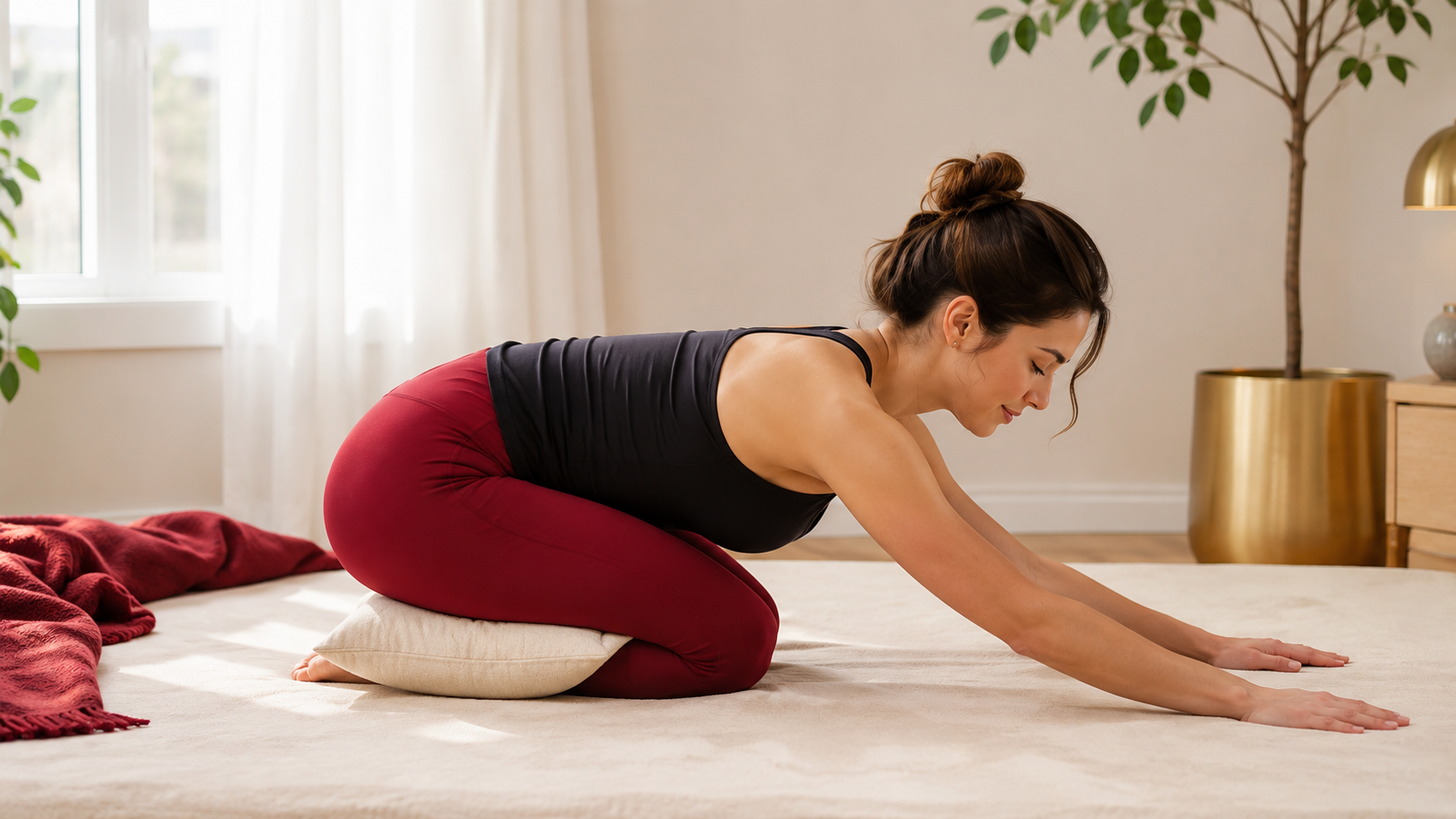
If the seated version feels awkward or difficult, the source article gives another way to create a similar stretch. This version is done by kneeling on a soft surface and gently sitting back toward the heels.
How to Do It
- Kneel on a bed, sofa, or soft mat.
- Keep both knees together or comfortably close.
- Slowly sit your hips back toward your heels.
- Use a pillow between your hips and heels if needed.
- Keep the pressure gentle and stop if the position feels painful.
Important Notes About Plantar Fasciitis Stretching
Plantar fasciitis stretches can be helpful, but there is no single movement that works for everyone. Some people respond well to toe and calf stretches, while others need footwear changes, load reduction, physical therapy, insoles, or medical guidance.
The source article emphasizes that aggressively pulling, stretching, or massaging the plantar fascia itself may irritate symptoms for some people. At the same time, many people do benefit from gentle wall stretches, towel stretches, foot rolling, and plantar fascia stretches when done carefully.
What to Avoid
- Forcing the foot into a painful stretch.
- Pressing aggressively into the sore heel or arch.
- Doing high-volume stretching during a flare-up.
- Ignoring symptoms that worsen after exercise.
- Using a stretch as a replacement for diagnosis if pain is persistent.
What May Help
- Gentle, controlled movement.
- Comparing symptoms before and after stretching.
- Wearing shoes with cushioned heels and good arch support.
- Using insoles or heel pads inside compatible shoes.
- Reducing barefoot walking on hard floors.
- Seeking professional care if symptoms persist.
Support After Stretching

A stretch may help your foot feel better in the moment, but your feet still need support throughout the day. If you stretch and then spend hours in flat, worn-out, or unsupportive shoes, the plantar fascia may keep getting irritated.
Supportive footwear and low-profile insoles may help reduce daily heel and arch strain inside compatible shoes.
Daily Support Checklist
- Wear shoes with cushioned heels and enough arch support.
- Use supportive insoles or heel pads if your shoes feel flat.
- Avoid long barefoot walks on hard floors.
- Reduce sudden increases in walking, running, or standing time.
- Use ice or gentle rolling when appropriate and comfortable.
- Get professional guidance if symptoms do not improve.
Related Guides
These guides can help you build a more complete plantar fasciitis comfort plan:
Support Your Feet After Stretching
A gentle stretch can help some people feel better, but daily support still matters. InsoleLux insoles are designed to add low-profile heel cushioning and arch support inside compatible everyday shoes.
FAQ
Can one stretch cure plantar fasciitis?
No. One stretch may help some people feel better, but plantar fasciitis usually needs consistent support, footwear changes, load management, and sometimes professional care.
How do I do this simple plantar fasciitis stretch?
Sit with one foot resting across the opposite knee. Gently stretch the toes downward, release, and repeat slowly if comfortable.
How many times should I repeat the stretch?
The source method suggests 10 to 20 slow repetitions on each foot. Start with fewer repetitions if your foot is sensitive.
Should plantar fasciitis stretching hurt?
No. Mild stretching tension may be normal, but sharp pain, tingling, numbness, or worsening symptoms are signs to stop.
Is the kneeling version better?
Not necessarily. It is simply an alternative for people who find the seated version difficult. Avoid it if kneeling bothers your knees, ankles, toes, or back.
Should I also stretch my calves?
Many plantar fasciitis routines include calf and Achilles stretching, but the best routine depends on your symptoms and professional guidance.
Do insoles help after stretching?
Supportive insoles may help improve heel cushioning and arch support inside compatible shoes, which can reduce daily strain after stretching.
When should I see a professional?
Seek professional advice if heel pain is severe, worsening, lasting more than a few weeks, affecting walking, linked with injury, or paired with swelling, numbness, tingling, or pain at rest.
Final Take
This simple plantar fasciitis stretch may help some people feel faster heel or arch comfort, especially when done gently and compared against symptoms before and after.
Still, it is not an instant cure. Plantar fasciitis usually responds best to a complete plan: gentle movement, supportive shoes, insoles when appropriate, reduced strain, and professional advice when symptoms persist.
Start slowly, avoid sharp pain, and support your feet during the rest of the day so the plantar fascia is not constantly overloaded between stretch sessions.
