

Guides
Plantar Fasciitis FAQ: 30 Common Questions About Heel Pain & Foot Support
Jun
Plantar Fasciitis FAQ: 30 Common Questions About Heel Pain & Foot Support
Clear, practical answers about plantar fasciitis, morning heel pain, shoe support, insoles, stretching, recovery habits, and when it may be time to seek professional advice.
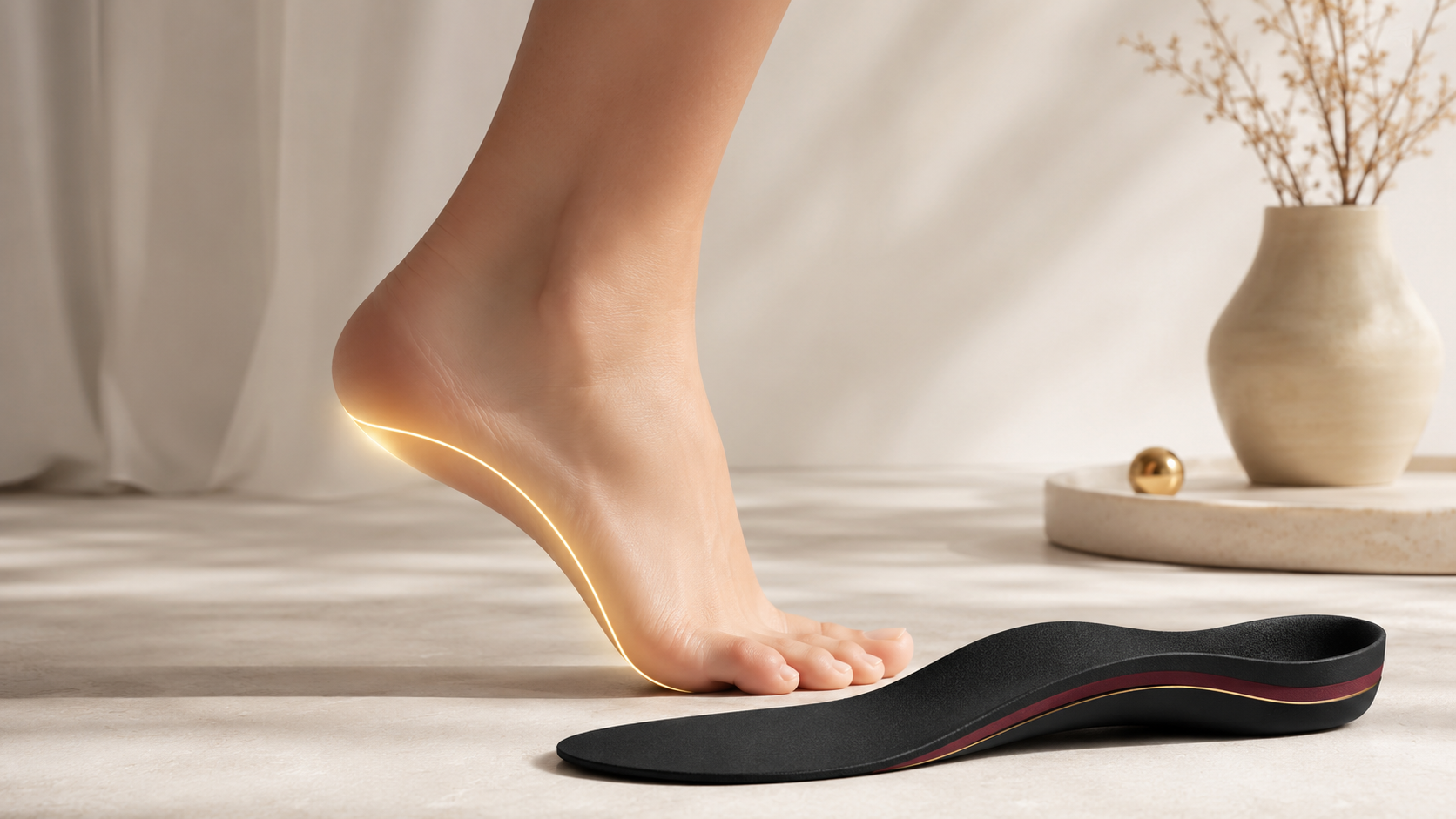
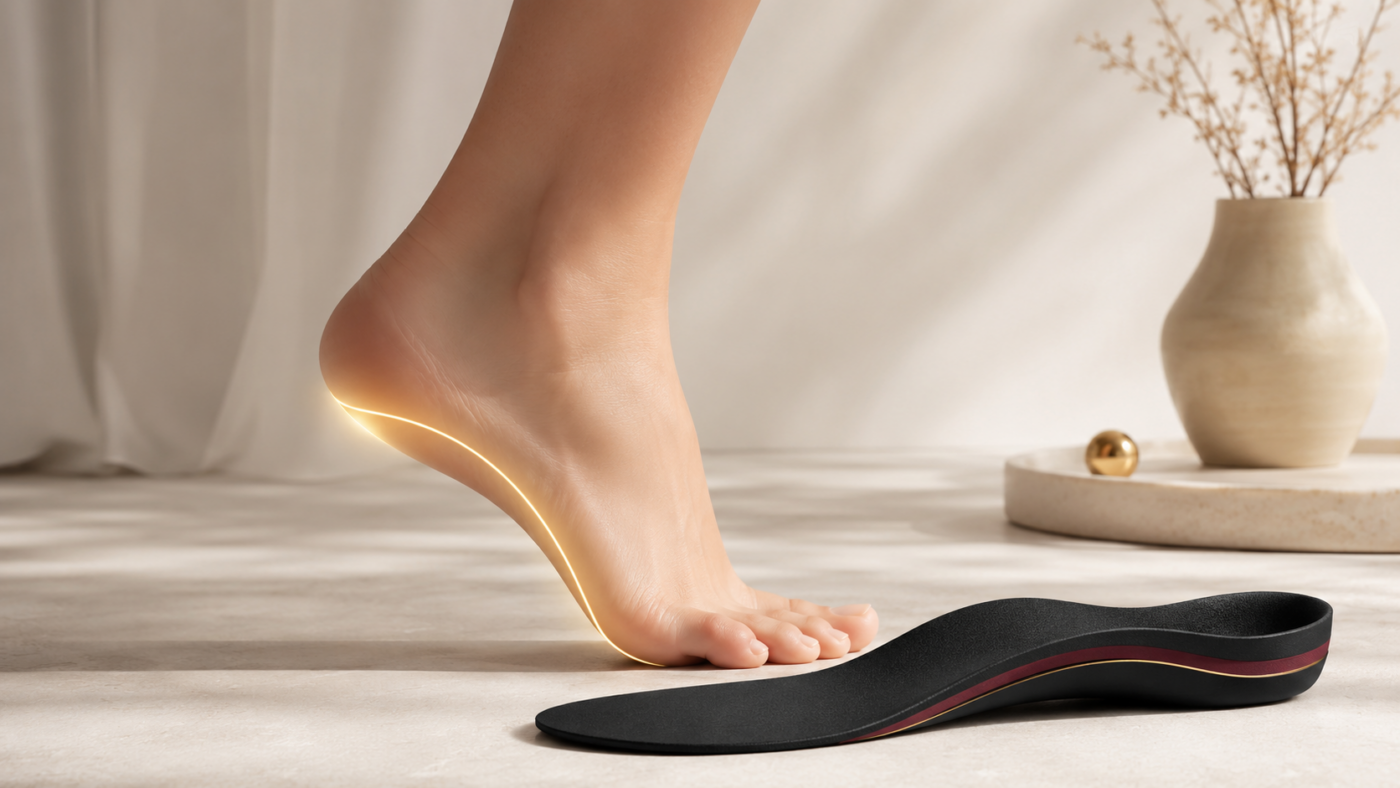
Plantar fasciitis is one of the most common reasons people search for heel pain relief. It can make the first steps in the morning feel sharp, tight, or uncomfortable — and it often raises a lot of questions about shoes, insoles, stretching, recovery time, and daily habits.
This FAQ gives simple, practical answers without overpromising. The goal is not to diagnose your foot online. The goal is to help you understand what may be happening, what support options may help, and when professional care is the smarter next step.
Quick Answer
Plantar fasciitis usually involves irritation of the tissue along the bottom of the foot that supports the arch and connects toward the heel. Many people feel it most with the first steps in the morning or after sitting for a while.
Support the Arch
Arch support can help reduce the feeling that the heel and arch are taking all the pressure inside your shoe.
Reduce Irritation
Gentle stretching, better shoes, and reducing painful activity spikes can help your feet feel more manageable.
Build Consistency
Long-term comfort usually comes from small habits repeated daily, not one instant fix.
Basics
1. What is plantar fasciitis?
Plantar fasciitis is irritation of the plantar fascia, the band of tissue that runs along the bottom of the foot and helps support the arch. It commonly causes discomfort near the heel or along the bottom of the foot.
2. What does plantar fasciitis feel like?
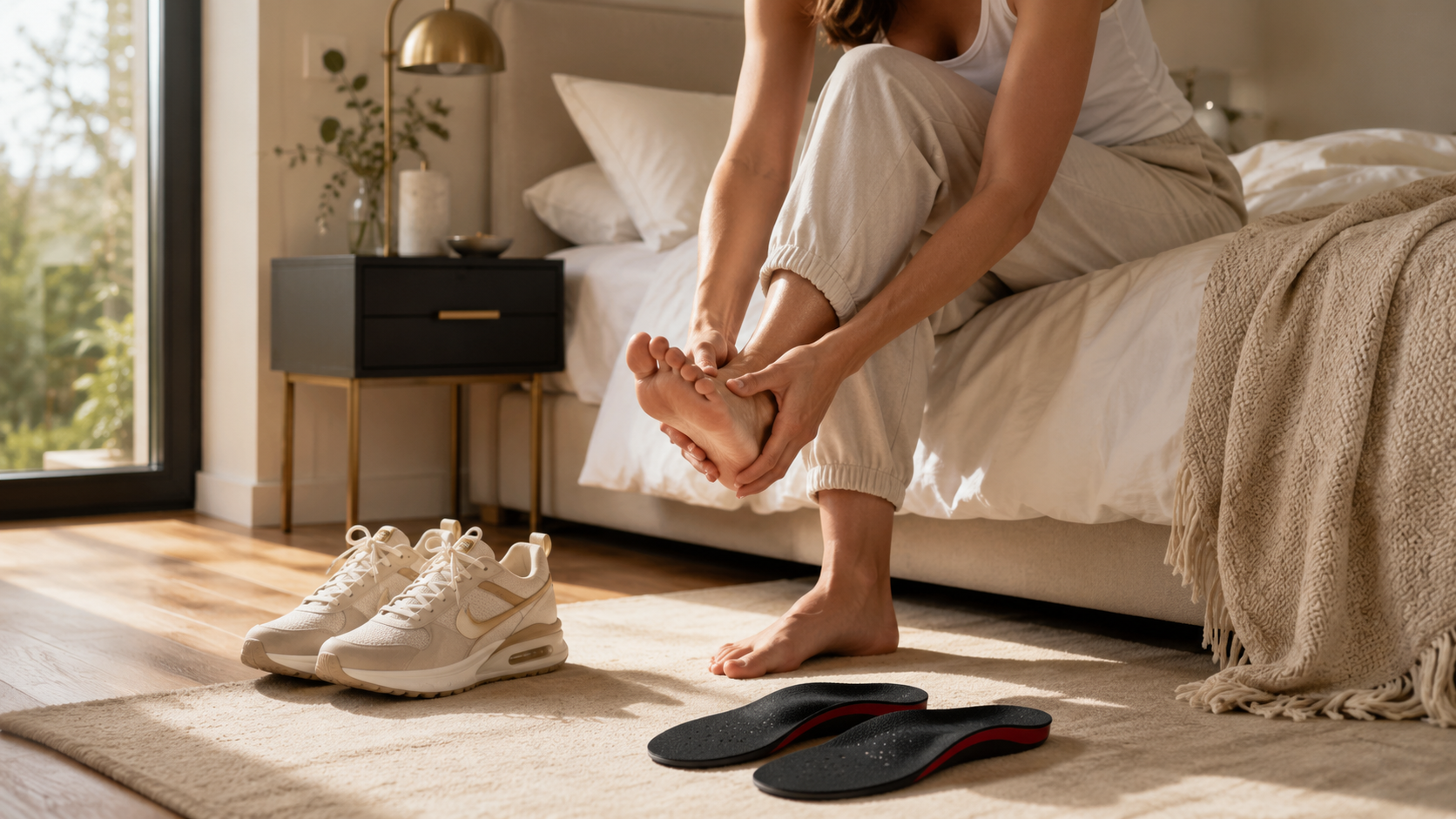
Many people describe it as heel pain, tightness, or a sharp feeling with the first steps in the morning. It may ease after moving around, then return after long standing, walking, or activity.
3. Is plantar fasciitis the same as heel pain?
Not always. Plantar fasciitis is a common cause of heel pain, but heel pain can also come from other issues such as heel spurs, stress fractures, nerve irritation, Achilles tendon problems, or fat pad irritation.
4. Is plantar fasciitis serious?
It is often manageable with conservative care, but it can become frustrating if ignored. If pain is severe, persistent, or changing how you walk, it is worth getting professional guidance.
Symptoms & Diagnosis
5. Why does plantar fasciitis hurt more in the morning?
The bottom of the foot can feel tight after resting overnight. When you stand up, the heel and arch are suddenly loaded again, which can make the first steps feel uncomfortable.
6. Can plantar fasciitis hurt after sitting?
Yes. Some people notice discomfort after sitting for a long time, then standing up again. The foot may feel stiff at first and loosen slightly with gentle movement.
7. Does plantar fasciitis cause swelling?
Visible swelling is not always present. The main symptoms are usually heel pain, arch tightness, and tenderness near the bottom of the heel. Significant swelling should be evaluated by a professional.
8. Do I need an X-ray or MRI?
Many cases are assessed through symptoms and a physical exam. Imaging may be used when the diagnosis is unclear, symptoms do not improve, or another cause of heel pain needs to be ruled out.
9. Can plantar fasciitis be confused with a heel spur?
Yes. Heel spurs and plantar fasciitis can both be associated with heel discomfort, but a heel spur is a bony growth while plantar fasciitis involves irritation of the plantar fascia. A heel spur does not always cause pain.
Causes & Risk Factors
10. What causes plantar fasciitis?
It is often linked with repeated strain through the bottom of the foot. Common contributors include long standing days, sudden activity increases, running, tight calves, unsupportive shoes, flat feet, high arches, or changes in training surface.
11. Can standing too long cause plantar fasciitis?
Long periods of standing, especially on hard floors, can increase load through the heel and arch. Supportive shoes and insoles may help reduce the feeling of repeated strain during standing-heavy days.
12. Can running cause plantar fasciitis?
Running can contribute when mileage, intensity, footwear, surface, or mechanics increase stress faster than the foot can adapt. Sudden training jumps are a common trigger.
13. Do flat feet increase the risk?
Flat or low arches may increase strain on the plantar fascia for some people, especially if the foot rolls inward excessively or feels unsupported during walking.
14. Can high arches also be a problem?
Yes. High arches can also place extra pressure through certain areas of the foot. People with high arches may need cushioning and support, not just “more arch.”
Relief, Recovery & Daily Care
15. What is the fastest way to relieve plantar fasciitis discomfort?
There is no guaranteed instant fix. Many people start with gentle stretching, supportive footwear, reducing painful activity, icing after irritation, and avoiding barefoot walking on hard floors.
16. Should I ice plantar fasciitis?
Icing may help some people calm irritation after activity. Use a towel barrier and avoid applying ice directly to skin for too long.
17. Should I massage or roll the bottom of my foot?
Gentle rolling with a ball or bottle may feel helpful, but pressure should be controlled. Aggressive rolling directly into a sharp pain point can make the foot more irritated.
18. What stretches are commonly used?
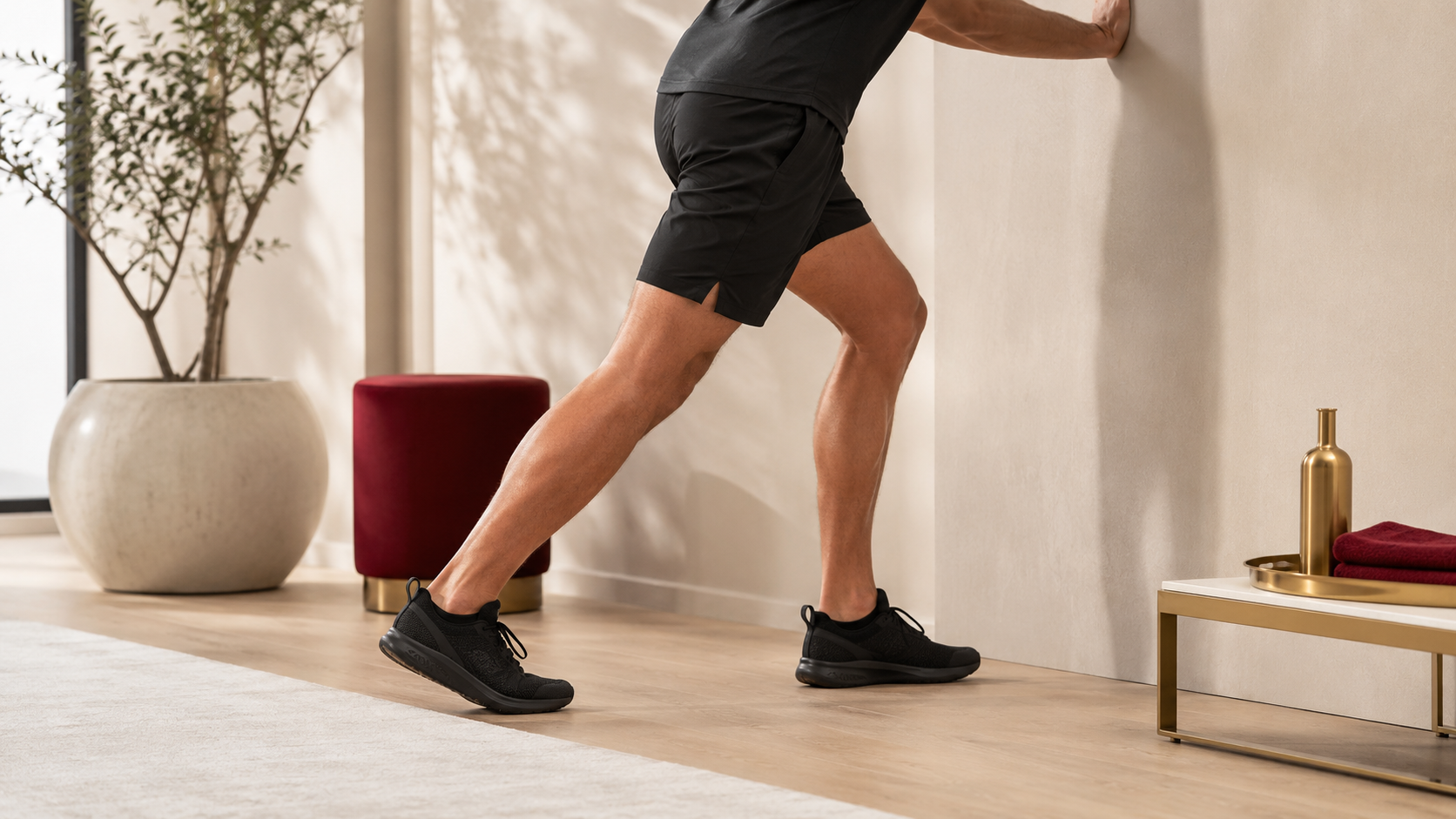
Common options include calf stretches, towel stretches, toe pulls, and gentle plantar fascia stretches. The stretch should feel controlled, not sharp or forced.
19. How long does plantar fasciitis take to improve?
Recovery varies. Some people feel better with basic care in weeks, while others need several months of consistent support, stretching, activity adjustment, and professional guidance.
Shoes, Insoles & Arch Support
20. Are insoles good for plantar fasciitis?
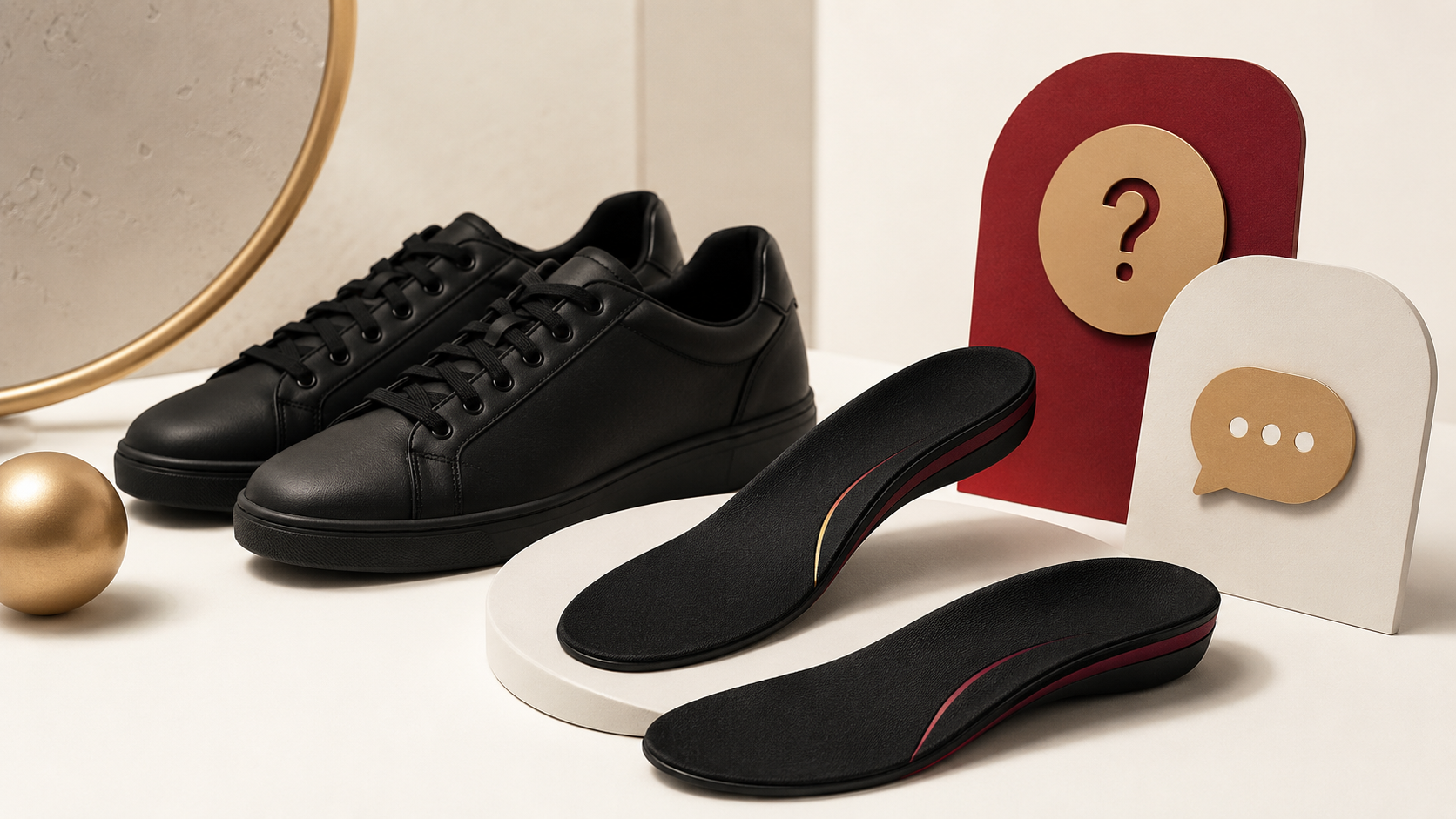
Supportive insoles can help improve comfort by supporting the arch and cushioning the heel inside compatible shoes. They are best used as part of a broader routine, not as a standalone cure.
21. What type of insole is best for heel comfort?
Look for arch support, heel cushioning, a stable base, and a low-profile shape that does not crowd your shoe. The best insole should feel supportive without creating new pressure points.
22. Should plantar fasciitis insoles feel hard or soft?
Not too hard and not too soft. Very soft inserts may collapse too easily, while overly rigid inserts may feel uncomfortable. A balanced design with support and cushioning is usually more practical for daily wear.
23. Can I use insoles in any shoe?
Insoles work best in shoes with enough internal space and, ideally, a removable stock insole. If the shoe becomes too tight, the insole may not be a good match for that pair.
24. What shoes should I avoid?
Avoid shoes that are extremely flat, worn out, unstable, overly flexible, too narrow, or lacking heel cushioning. Flip-flops and thin minimalist shoes may feel less supportive during flare-ups.
25. Can arch support make plantar fasciitis worse?
It can if the fit is wrong. An arch that feels too aggressive, a shoe that becomes too tight, or support that changes your comfort negatively should be adjusted or replaced.
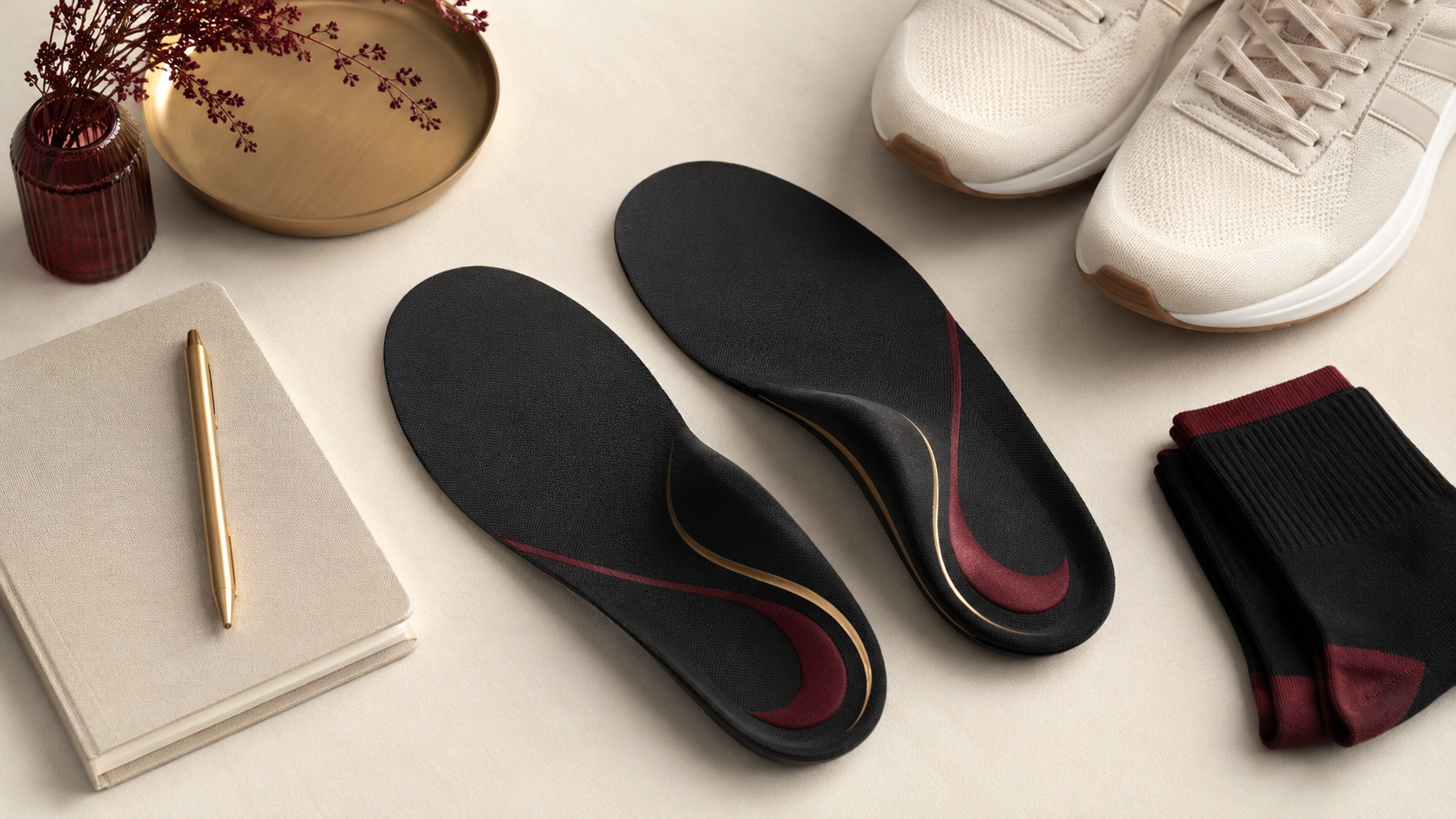
Support Your Heel & Arch Inside Everyday Shoes
If your heels or arches feel tired during long days, supportive insoles can help improve comfort inside compatible shoes. InsoleLux is designed for a clean, low-profile fit with everyday support and a premium feel.
Walking, Running & Activity
26. Is walking good or bad for plantar fasciitis?
Gentle walking may be fine for some people, but long walks on hard surfaces can increase irritation during a flare-up. Let comfort guide your activity and build gradually.
27. Can I run with plantar fasciitis?
Running through worsening heel pain is not ideal. If running triggers symptoms, reduce volume, check your shoes, consider support, and return gradually when discomfort is more manageable.
28. Should I avoid barefoot walking?
During a painful flare-up, barefoot walking on hard floors may increase heel and arch strain. Supportive house shoes or slippers may feel better.
29. Can plantar fasciitis come back?
Yes. Symptoms can return if the same triggers remain, such as worn-out shoes, sudden activity increases, hard-floor standing, poor recovery, or lack of support.
When to Seek Professional Help
30. When should I see a doctor or podiatrist?
Seek professional advice if your pain is severe, worsening, caused by injury, associated with swelling, numbness, tingling, fever, diabetes, or if it does not improve with basic care. A professional can help rule out other causes of heel pain and recommend an appropriate treatment plan.
Simple Daily Comfort Routine
You do not need a complicated plan to start supporting heel comfort. A simple routine is often easier to follow consistently.
Morning
Before standing, gently move the ankle, stretch the calf, and use a towel stretch if it feels comfortable. Avoid jumping straight into hard-floor walking if your heel is sensitive.
During the Day
Wear supportive shoes, avoid worn-out pairs, use insoles if they improve comfort, and take short breaks during long standing periods.
After Activity
If your foot feels irritated, reduce load, use gentle rolling or icing if helpful, and avoid aggressive pressure directly into painful spots.
Evening
Stretch the calf and bottom of the foot gently, check how your shoes felt during the day, and prepare supportive footwear for the next morning.
Final Take
Plantar fasciitis can be frustrating because it affects simple everyday movement — standing up, walking across the room, commuting, working, or exercising. But for many people, comfort improves with a practical combination of supportive footwear, arch support, gentle stretching, activity management, and consistency.
Start with the basics: avoid hard-floor barefoot walking during flare-ups, check your shoes, support the arch and heel, stretch gently, and seek professional care if symptoms are severe or persistent.
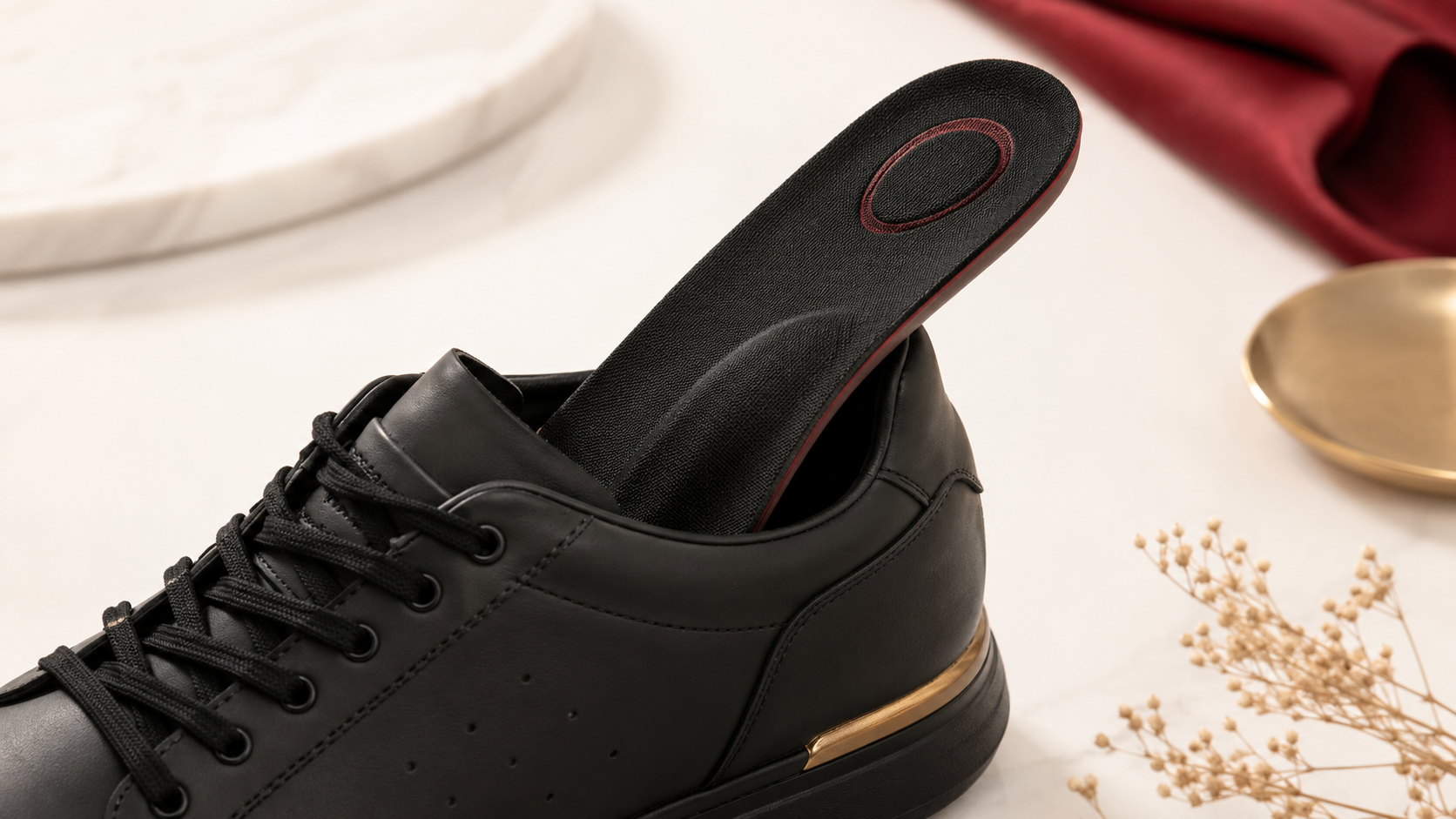
A supportive insole is not a magic cure, but it can be a smart everyday tool for helping your feet feel more stable and comfortable inside the shoes you already wear.
