

Guides
Do Cortisone Injections Help Plantar Fasciitis? Benefits, Risks & Alternatives
Jun
Do Cortisone Injections Help Plantar Fasciitis? Benefits, Risks & Alternatives
Cortisone injections may help reduce plantar fasciitis pain in the short term, but they are not usually the first step — and they do not replace long-term support, stretching, footwear changes, or professional guidance.
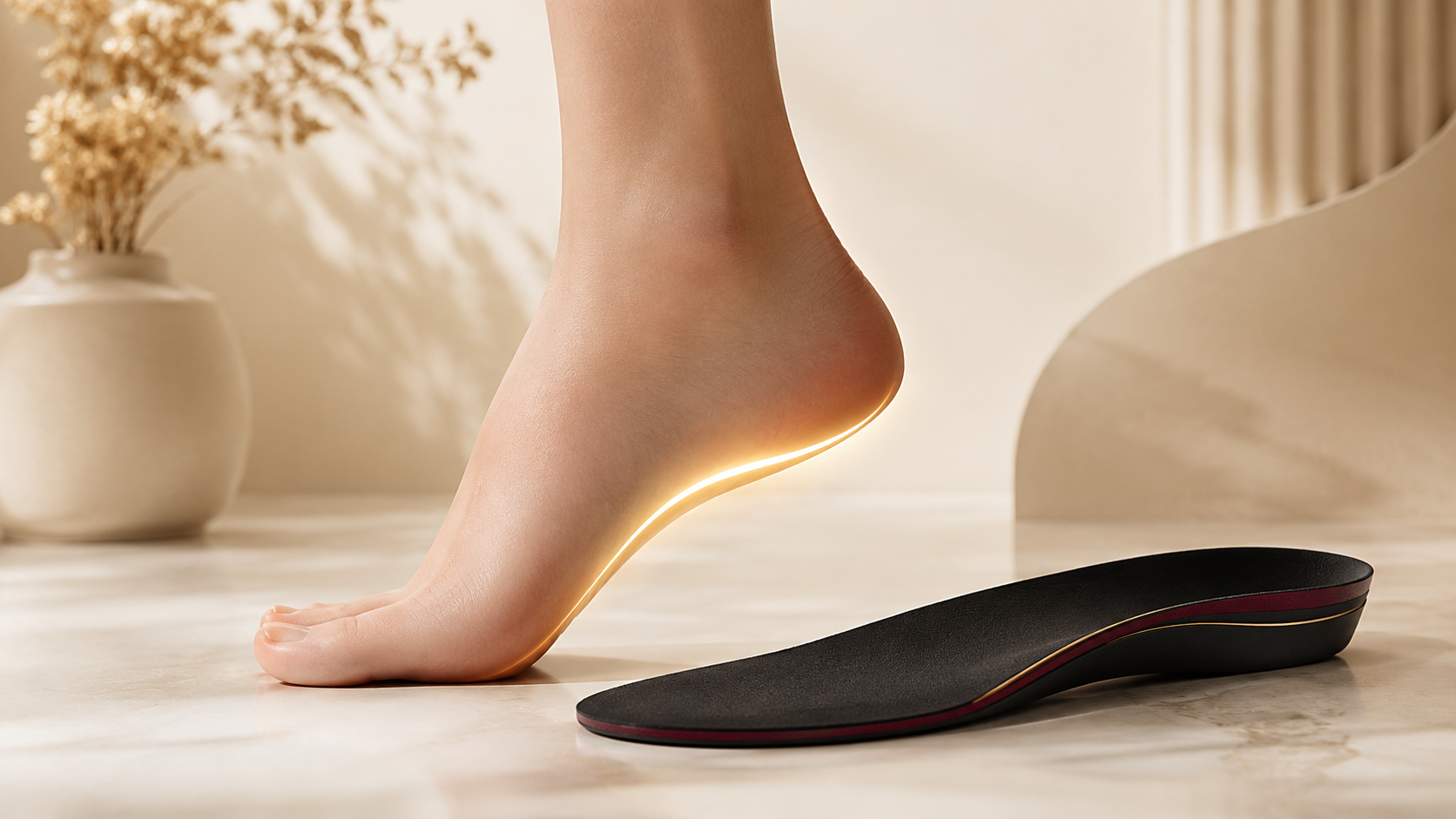
When heel pain does not improve, many people start looking beyond stretching, better shoes, and insoles. One option that may come up during a medical appointment is a cortisone injection, also called a corticosteroid injection.
Cortisone injections can reduce inflammation and may provide short-term pain relief for some people. But they also have limits. They do not directly “repair” the plantar fascia, and repeated or poorly placed injections may carry risks such as plantar fascia rupture or thinning of the heel fat pad.
Quick Answer: Do Cortisone Injections Help Plantar Fasciitis?
Yes, cortisone injections can help some people with plantar fasciitis by reducing pain and inflammation for a limited period. However, they are usually considered when conservative care has not helped enough or when pain is significantly limiting daily activity.
The key point is that an injection may reduce symptoms, but it does not automatically solve the underlying load, footwear, arch support, calf tightness, or movement factors that may be contributing to heel pain.
Can Help Short Term
Some people experience meaningful pain relief after a corticosteroid injection, especially when symptoms are stubborn or intense.
Not a Root Fix
The injection may calm pain, but it does not replace stretching, footwear support, load management, or strengthening.
Has Real Risks
Possible risks include pain flare, skin changes, fat pad thinning, and rare plantar fascia rupture.
What Is a Cortisone Injection?
A cortisone injection is a medical injection that delivers a corticosteroid medication near the painful area. Corticosteroids are anti-inflammatory medicines that can help reduce irritation and pain.
In some cases, the injection may also include a local anesthetic, which can provide temporary numbness or short-term relief before the steroid effect begins.
The exact approach depends on the clinician, your symptoms, and whether imaging such as ultrasound is used to guide placement. This is one reason it is important to treat injections as a medical decision, not a casual quick fix.
How Cortisone May Help Plantar Fasciitis
Plantar fasciitis is often associated with irritation around the plantar fascia, the band of tissue that supports the bottom of the foot. A corticosteroid injection may reduce local inflammation and pain, making walking and daily movement more manageable for a period of time.
Some people may feel improvement within days, while others may not respond as strongly. The relief may last weeks or months, but symptoms can return if the underlying strain remains.
Potential Benefits of Cortisone Injections
The main reason people consider a cortisone injection is simple: heel pain is interfering with daily life, and conservative steps have not helped enough yet.
Short-Term Pain Relief
Cortisone may reduce pain enough to make walking, standing, or daily tasks feel more manageable in the short term.
Reduced Local Irritation
Because corticosteroids are anti-inflammatory, they may calm irritation around the painful area.
Possible Window for Rehab
If pain is reduced, some people may find it easier to follow a stretching, strengthening, footwear, or physical therapy plan.
The strongest use case is not “get the shot and forget the problem.” It is more often: reduce pain enough to continue a broader recovery plan with better support and load control.
Limitations and Risks to Understand
Cortisone injections are not risk-free. This does not mean they are always bad. It means the decision should be made carefully with a qualified clinician, especially if you have diabetes, circulation issues, prior tendon problems, or a physically demanding routine.
| Potential Issue | What It Means | Why It Matters |
|---|---|---|
| Short-Term Relief Only | Symptoms may improve temporarily, then return. | The injection may not address load, shoe fit, arch support, or calf tightness. |
| Post-Injection Flare | Pain may briefly increase after the injection. | This is usually temporary, but it can be uncomfortable. |
| Skin or Soft Tissue Changes | Skin thinning, lightening, or soft tissue changes may occur around the injection area. | These are uncommon but important to discuss beforehand. |
| Heel Fat Pad Thinning | The natural cushion under the heel may become thinner. | This can reduce shock absorption and may create longer-term heel comfort issues. |
| Plantar Fascia Rupture | A rare but serious tearing of the plantar fascia. | This can change foot mechanics and may require more involved treatment. |
Because of these risks, clinicians may limit how often steroid injections are used and may prefer conservative care first.
Conservative Alternatives to Try First
For many people, plantar fasciitis improves with conservative care. These options are usually less invasive and focus on reducing repeated strain through the heel and arch.
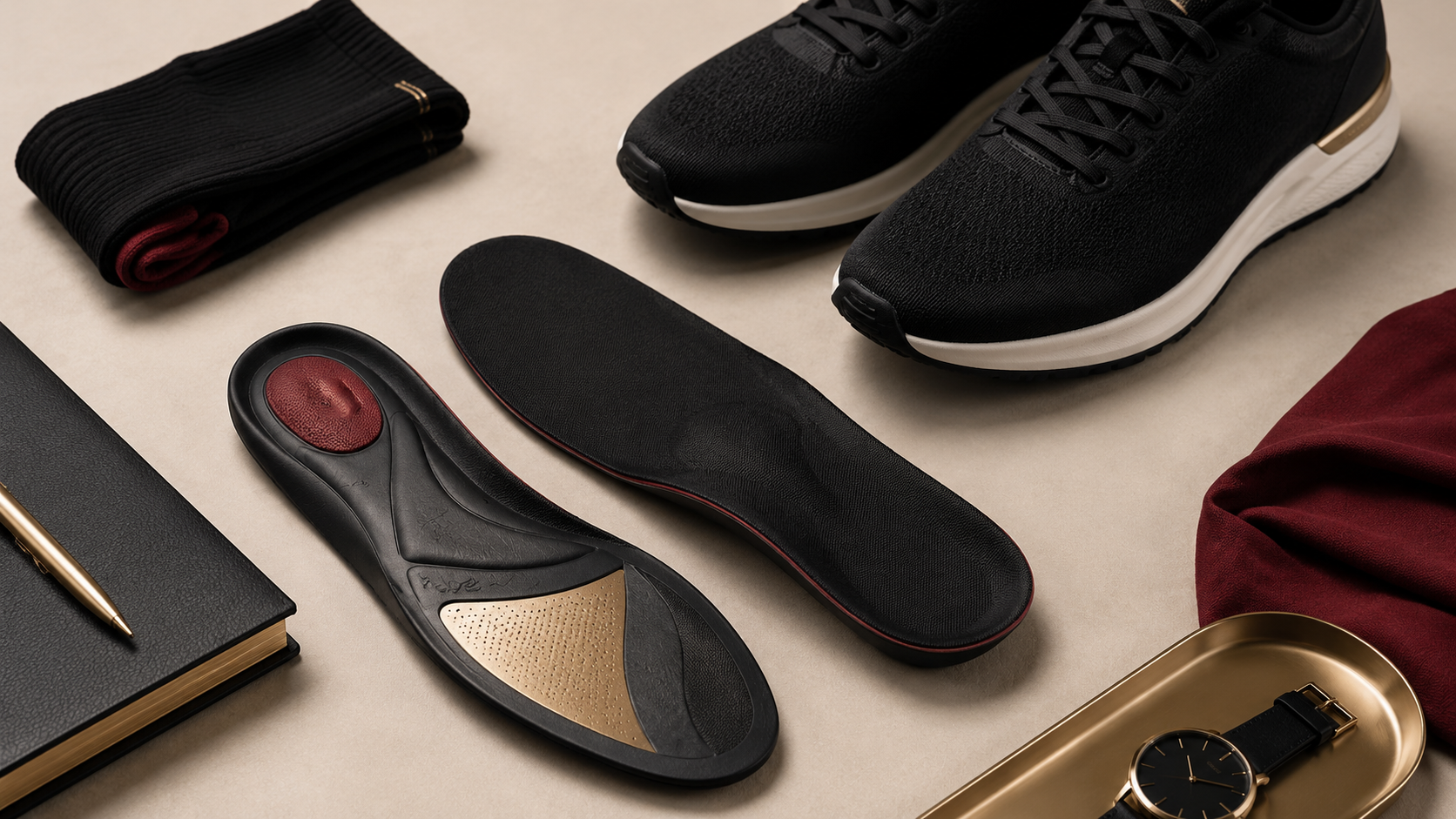
1. Stretching the Calf and Plantar Fascia
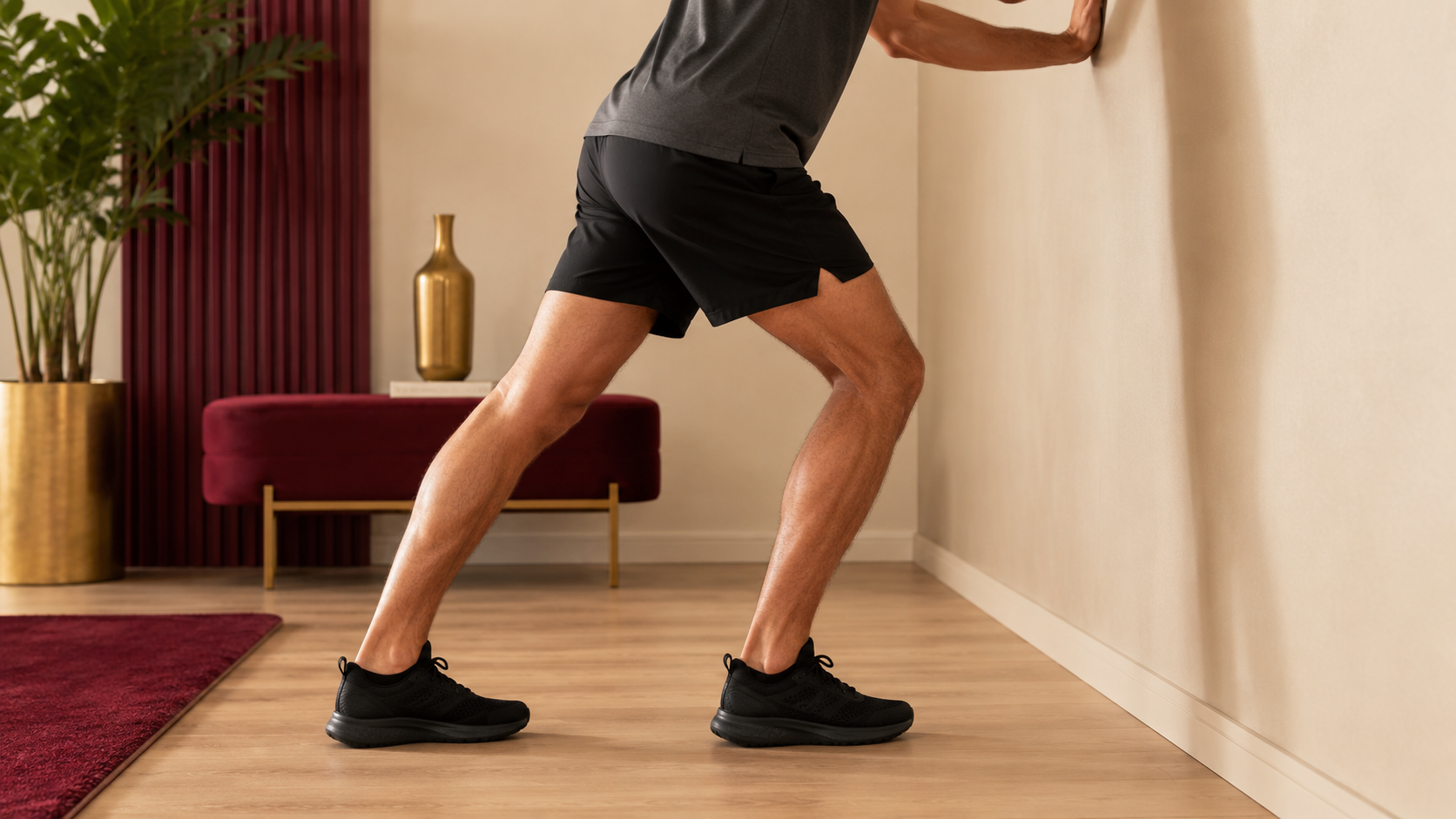
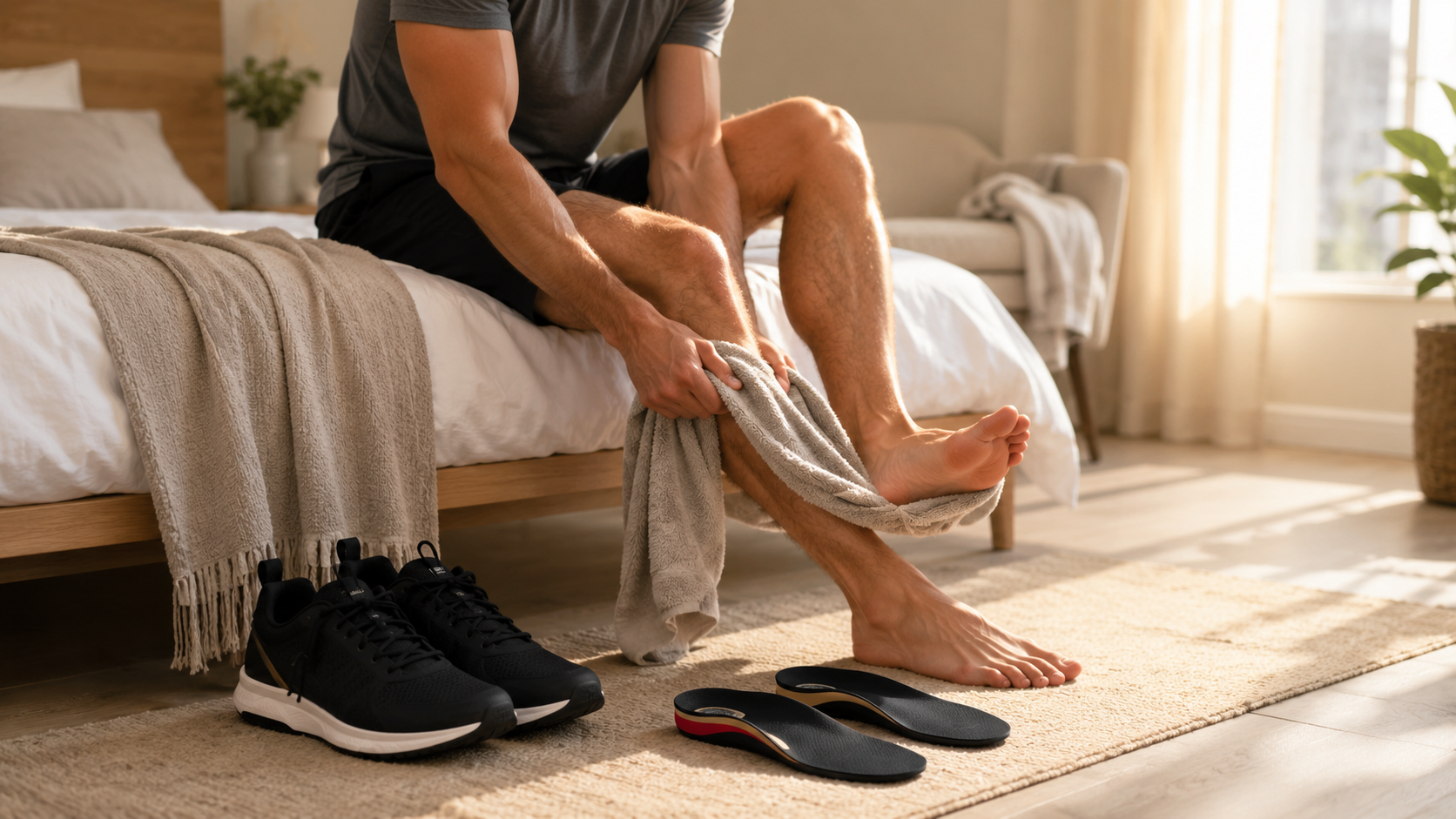
Tight calves and limited ankle mobility can increase tension through the heel and bottom of the foot. Gentle calf stretches, towel stretches, and plantar fascia stretches may help reduce strain over time.
2. Supportive Shoes
Shoes that are too flat, too soft, worn down, or unstable can make the heel and arch work harder. A stable shoe with secure heel fit and enough cushioning is often a better starting point.
3. Arch Support and Heel Cushioning
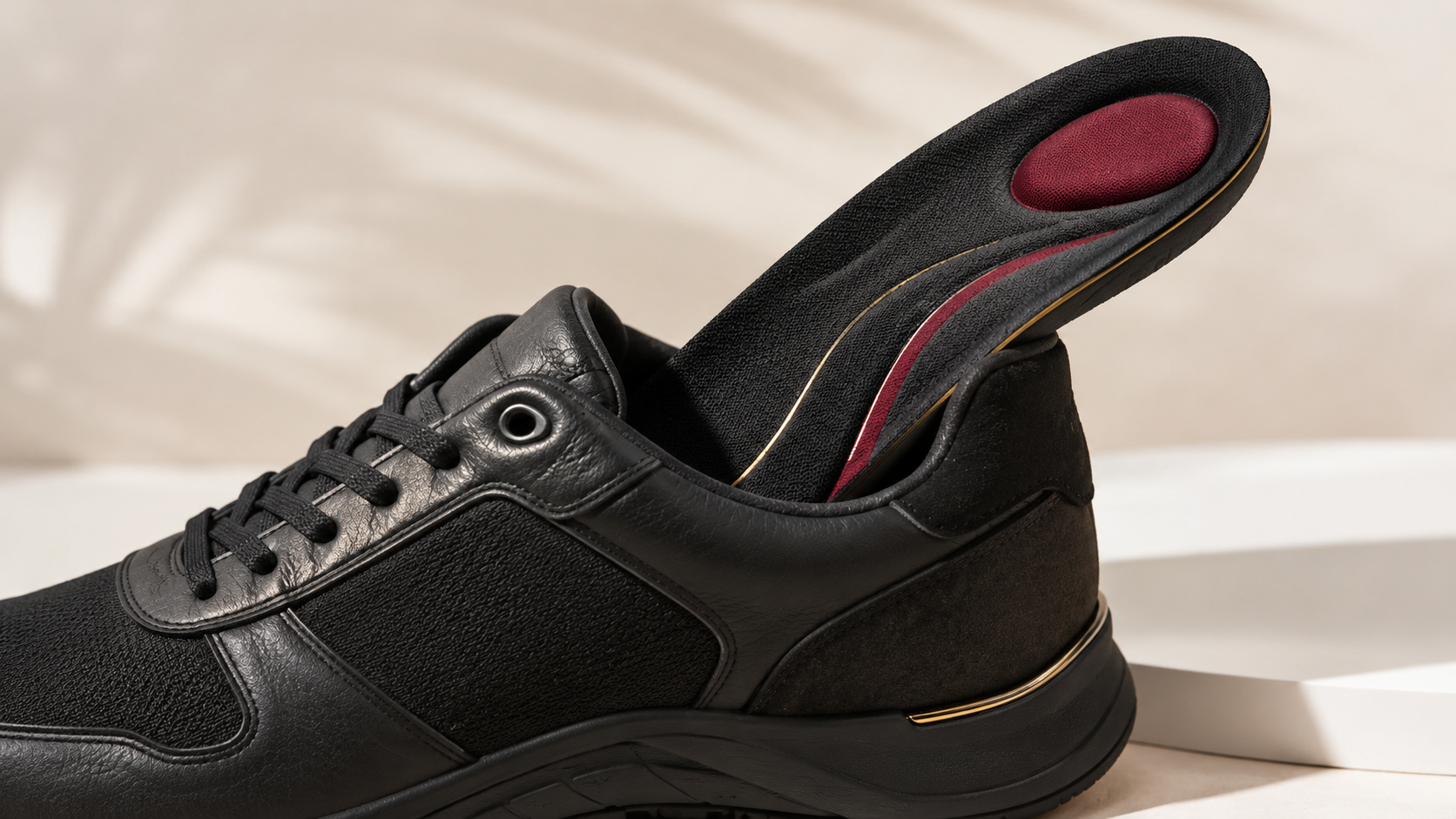
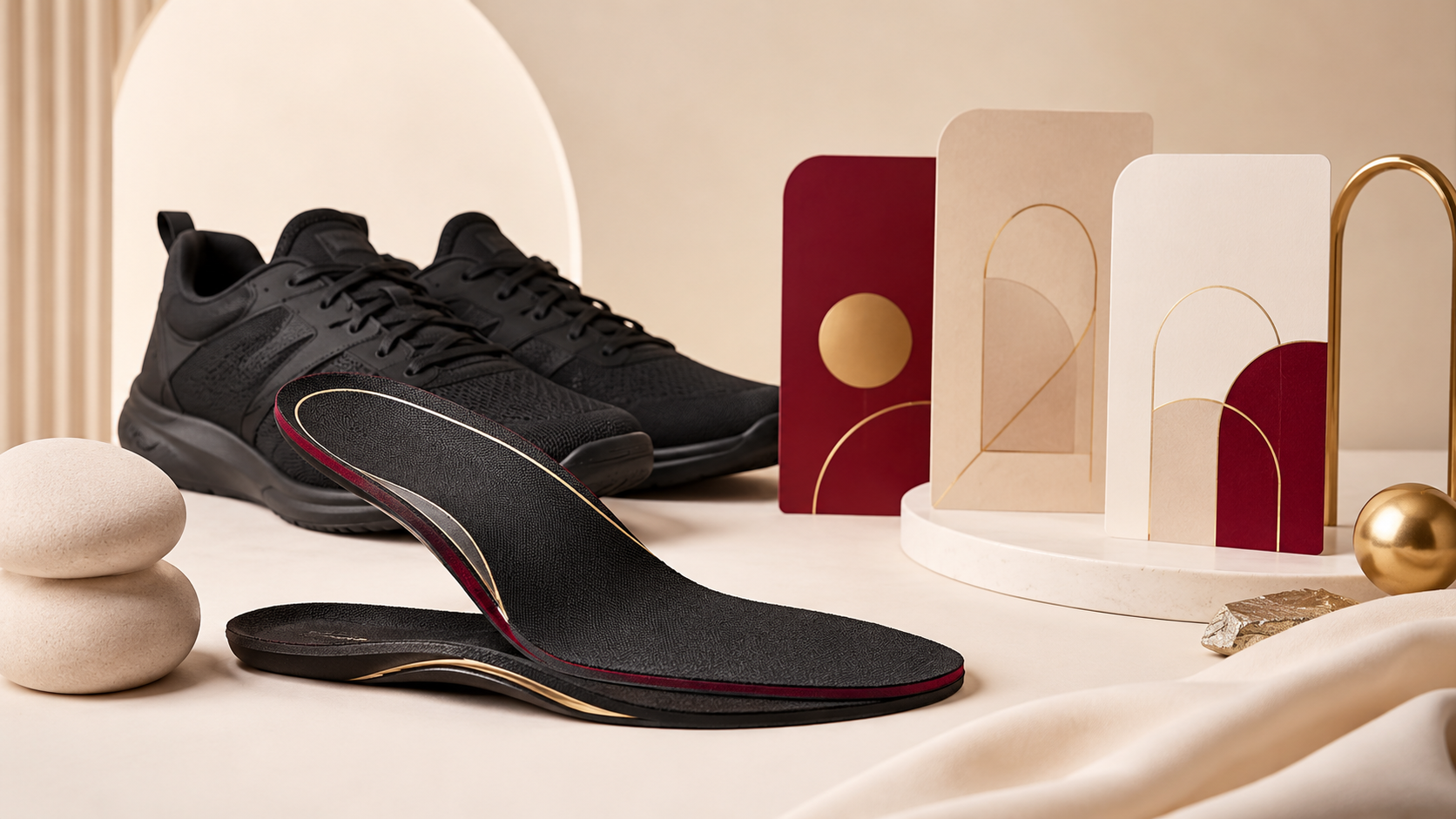
Supportive insoles can help improve how the foot sits inside the shoe. They may reduce the feeling of arch collapse, heel pressure, or instability during long standing and walking days.
4. Activity Modification
Running, jumping, hard-floor standing, or sudden step-count increases can aggravate symptoms. Reducing irritating activity temporarily can give the heel and arch time to calm down.
5. Physical Therapy
A physical therapist can help with strengthening, mobility, taping, gait adjustments, and load management. This may be especially useful when symptoms persist or keep returning.

Cortisone Injection vs Conservative Support
A cortisone injection and conservative support are not always opposites. In some cases, a clinician may use an injection to reduce symptoms while still recommending stretching, footwear changes, insoles, or therapy.
| Option | Best For | Key Limitation |
|---|---|---|
| Cortisone Injection | Short-term symptom relief in stubborn or more limiting cases. | Does not correct underlying load or support issues by itself. |
| Stretching Routine | Calf tightness, morning stiffness, and long-term mobility habits. | Requires consistency and gradual progress. |
| Supportive Shoes | Daily walking, standing, and reducing harsh heel impact. | Poor fit can still cause discomfort even in supportive shoes. |
| Arch Support Insoles | Improving underfoot comfort and support inside compatible shoes. | Not a medical cure; fit and shoe compatibility matter. |
| Physical Therapy | Persistent symptoms, recurring flare-ups, or movement-related issues. | Requires time, guidance, and follow-through. |
Questions to Ask Before Getting a Cortisone Injection
If your clinician recommends an injection, it is reasonable to ask questions so you understand the purpose, expected benefit, and risks.
- Why do you recommend an injection in my case?
- Have we ruled out other causes of heel pain?
- Will ultrasound guidance be used?
- What risks are most relevant for me?
- How long should I rest after the injection?
- When can I return to walking, work, running, or training?
- How many injections would be considered safe?
- What conservative care should I continue afterward?
- Would physical therapy, orthotics, or shockwave therapy be appropriate?
- What should I do if pain returns?
Where Insoles Fit Into the Bigger Plan
Insoles do not replace medical care, and they do not perform the same role as a corticosteroid injection. But they can be part of a conservative support plan by improving comfort inside everyday shoes.
For plantar fasciitis-related heel and arch discomfort, look for an insole that offers a stable base, supportive arch shape, heel cushioning, and a low-profile fit that does not overcrowd the shoe.
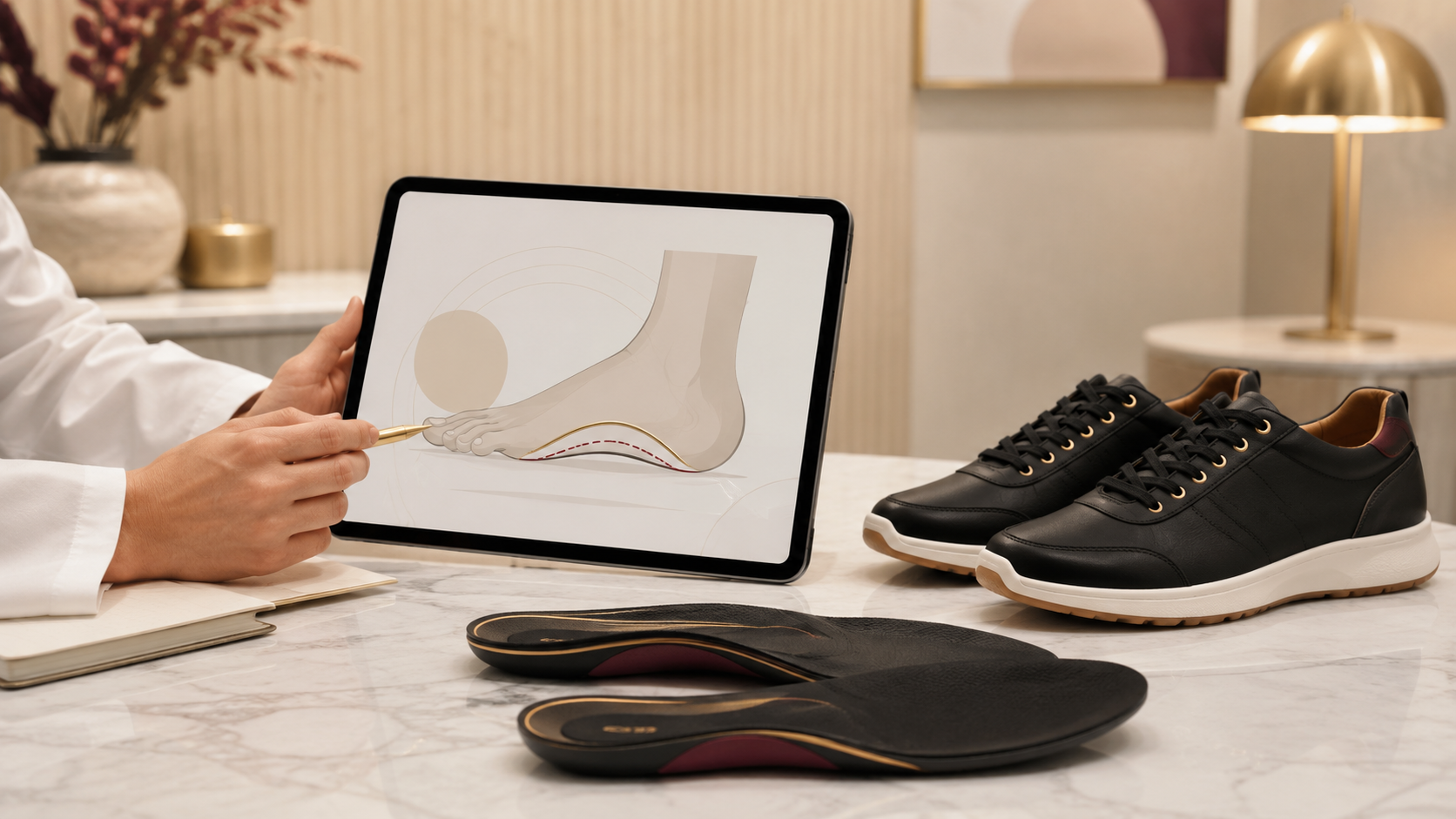
InsoleLux insoles are designed for everyday comfort, low-profile support, and a cleaner fit inside compatible shoes — making them a practical option for people who want more support without bulky footwear changes.
Support Your Heel Comfort Before and After Bigger Treatment Decisions
If your heels or arches feel tired during long days, supportive insoles can help improve comfort inside compatible shoes. InsoleLux is designed for a clean, low-profile fit with everyday support and a premium feel.
FAQ
Do cortisone injections cure plantar fasciitis?
No. They may reduce pain and inflammation for some people, but they do not automatically fix the underlying strain, footwear, mobility, or support factors that may contribute to symptoms.
How long does a cortisone injection last for plantar fasciitis?
Relief varies. Some people may feel improvement for weeks or months, while others may have less benefit. Symptoms can return if the underlying cause of strain remains.
Is a cortisone injection painful?
Some people feel pressure, burning, or brief discomfort during the procedure. A local anesthetic may be used, but the exact experience varies.
Can I walk after a plantar fasciitis injection?
Many people can walk afterward, but your clinician may recommend resting, avoiding intense activity, or changing footwear for a period of time. Follow the instructions given by your provider.
How many cortisone injections can you have?
This depends on your clinician’s judgment and your individual risk factors. Repeated injections may increase risk, so many providers limit frequency.
Are insoles an alternative to cortisone injections?
Insoles are not a medical substitute for an injection, but they can be part of conservative care. Supportive insoles may help improve arch and heel comfort inside compatible shoes.
When should I see a doctor for plantar fasciitis?
Seek professional advice if pain is severe, worsening, linked with swelling or numbness, caused by injury, or not improving with basic care.
Final Take
Cortisone injections can help some people with plantar fasciitis, especially when pain is persistent or significantly limiting daily life. But they are usually best understood as a short-term symptom tool, not a complete long-term solution.
For many people, the foundation remains conservative care: supportive shoes, arch support, gentle stretching, activity adjustment, and professional guidance when needed.
If you are considering an injection, ask your clinician how it fits into your broader recovery plan — and what support habits you should continue before and after the procedure.
