

Guides
Can Plantar Fasciitis Be Cured? What Recovery Really Looks Like
Jun
Can Plantar Fasciitis Be Cured? What Recovery Really Looks Like
Plantar fasciitis can often improve with consistent conservative care, but “cured” does not always mean one quick fix. Recovery usually means reducing irritation, supporting the foot, and building habits that help symptoms stay away.
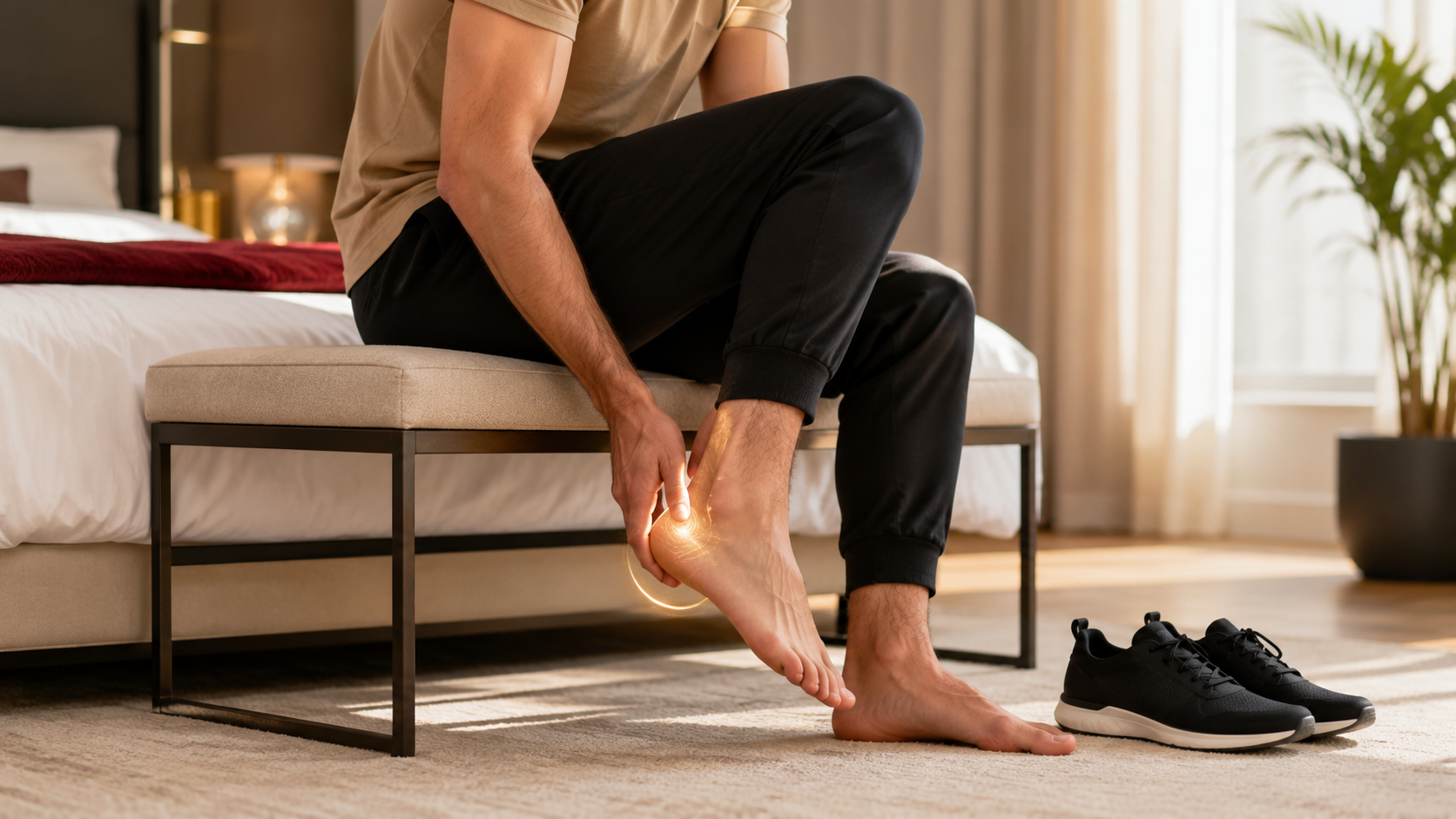
One of the most common questions people ask after weeks of heel pain is simple: can plantar fasciitis be cured?
The honest answer is encouraging but realistic. Many people improve significantly and return to comfortable daily movement with conservative care. But plantar fasciitis can also come back if the same triggers remain: worn-out shoes, hard-floor standing, sudden activity spikes, tight calves, or not enough support under the arch and heel.
Quick Answer: Can Plantar Fasciitis Be Cured?
Plantar fasciitis can often improve and may fully settle for many people, especially with early support, stretching, activity adjustments, and better footwear. However, it is better to think in terms of recovery and prevention rather than a one-time cure.
When symptoms go away, the plantar fascia may still be sensitive to the same triggers that caused the problem in the first place. That is why long-term comfort depends on managing load, improving support, and keeping up with simple habits.
Most Cases Improve
Many people recover with conservative care such as stretching, icing, activity changes, supportive shoes, and insoles.
It Takes Consistency
Symptoms may improve gradually over weeks or months, not overnight. Small daily habits matter.
Recurrence Is Possible
Heel pain can return if activity load, footwear, or support issues are not addressed.
What “Cured” Really Means for Plantar Fasciitis
With plantar fasciitis, “cured” usually means your heel pain has settled enough that you can walk, stand, work, exercise, and go through daily life without symptoms limiting you.
It does not always mean the foot is permanently immune to future irritation. Like back pain, knee pain, or Achilles discomfort, plantar fascia symptoms can return if the tissue is overloaded again.
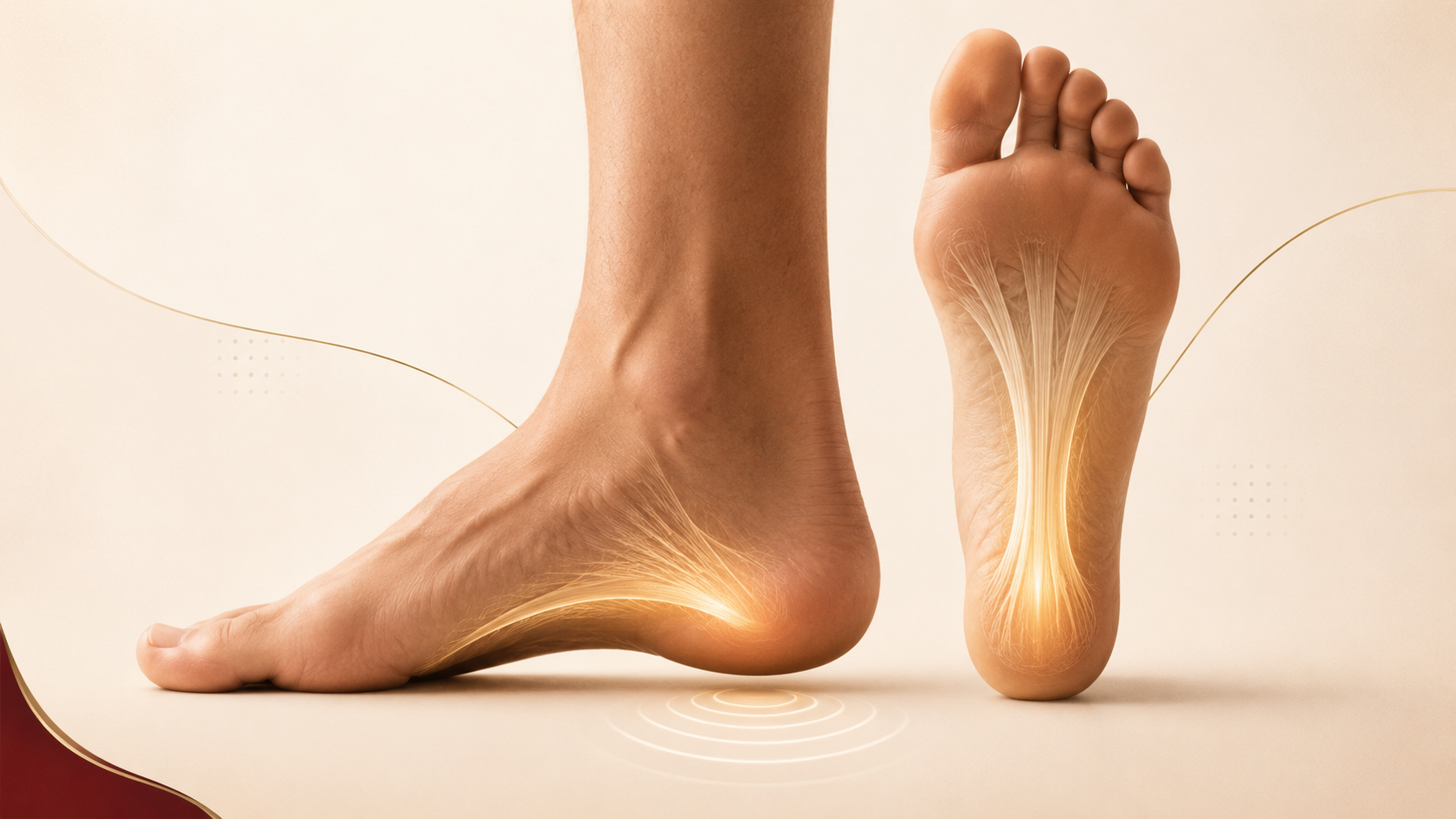
A better goal is this: reduce pain, restore comfortable movement, and build a routine that lowers the chance of flare-ups.
How Long Does Plantar Fasciitis Take to Go Away?
Recovery time varies. Some people improve in a few weeks with early care. Others need several months, especially if symptoms have been present for a long time or daily load remains high.
The timeline depends on factors like how early you respond, how much standing or walking you do, your footwear, your activity level, calf tightness, foot mechanics, and whether another condition is also involved.
General Recovery Pattern
| Stage | What You May Notice | What Helps |
|---|---|---|
| Early Flare-Up | Morning heel pain, sharp first steps, soreness after standing. | Reduce irritating activity, avoid barefoot hard floors, use supportive shoes. |
| Improving Phase | Less intense pain, fewer painful steps, better tolerance for daily walking. | Gentle stretching, gradual activity return, arch support, heel cushioning. |
| Return to Normal | Daily movement feels comfortable again, but symptoms may return with overload. | Maintain footwear support, keep up mobility, increase activity gradually. |
| Persistent Symptoms | Pain continues despite basic care or affects walking and work. | Professional evaluation, physical therapy, imaging or other treatments if needed. |
Why Plantar Fasciitis Can Come Back
Plantar fasciitis often returns because the same stress pattern returns. If the tissue calms down but your shoes, activity, standing time, or tightness stay unchanged, the heel and arch may become irritated again.

Common Reasons Symptoms Return
- Worn-out shoes: Old cushioning and collapsed midsoles can increase heel strain.
- Hard-floor barefoot walking: Barefoot steps on hard surfaces may irritate sensitive heels.
- Sudden activity increases: More steps, longer runs, or new workouts can overload the fascia.
- Long standing days: Work shifts or travel days can add repeated pressure.
- Tight calves: Limited ankle mobility can increase pull through the heel and arch.
- No support plan: Symptoms may settle, but the foot still needs appropriate support during high-load days.
What Helps Plantar Fasciitis Improve?
Most conservative recovery plans focus on a few practical goals: reduce irritation, support the arch and heel, restore mobility, and gradually return to activity.
Reduce the Biggest Triggers
Temporarily scale back activities that clearly worsen symptoms, such as long walks, high-impact workouts, hard-floor standing, or barefoot walking at home.
Stretch Gently and Consistently
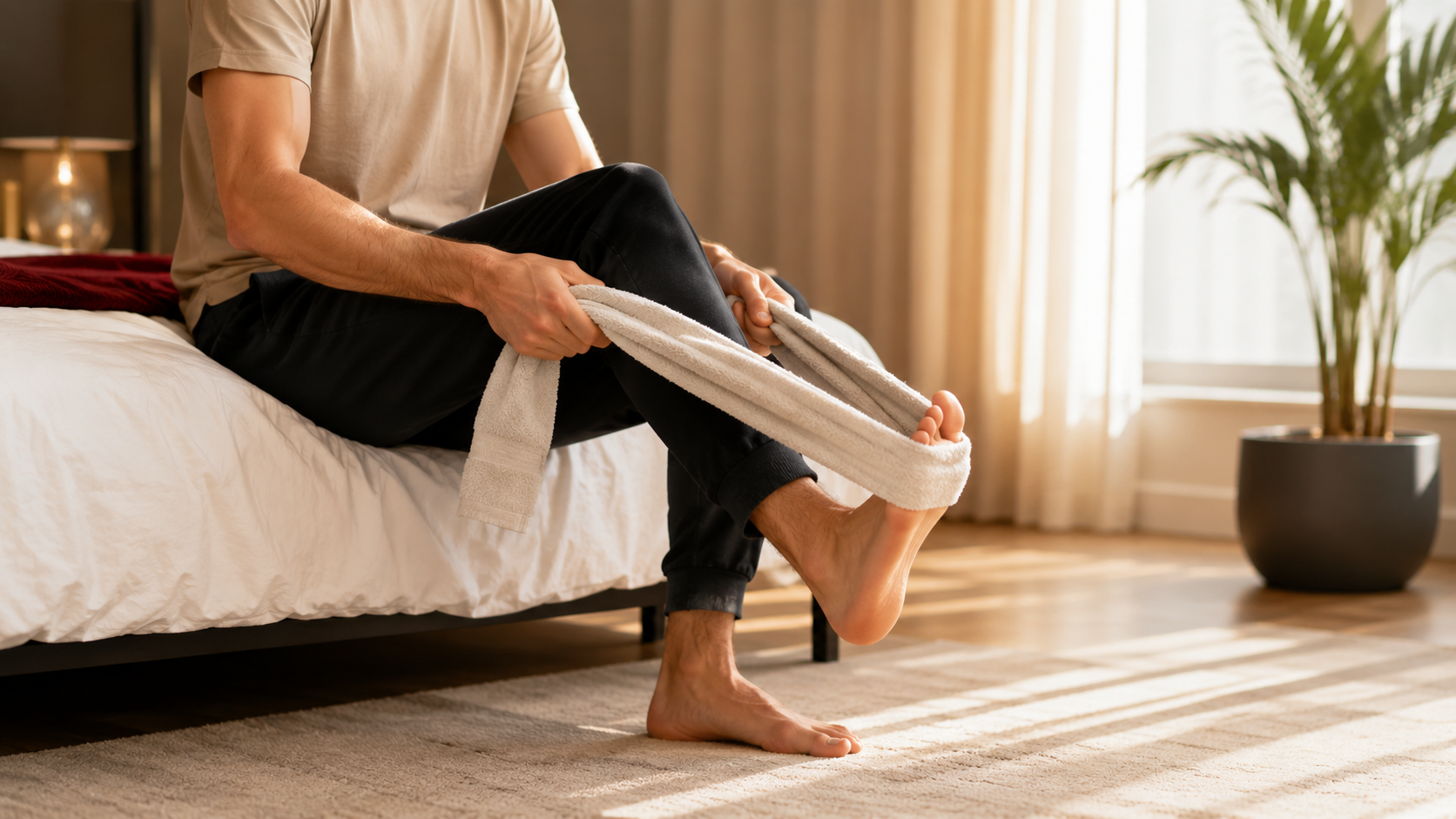
Calf stretching, towel stretching, and gentle plantar fascia stretching may help reduce tension through the heel and arch.
Use Supportive Footwear
Shoes with better heel cushioning, a secure heel fit, and a stable midsole can help reduce repeated strain.
Return to Activity Gradually
Once symptoms improve, increase walking, running, or training slowly instead of jumping straight back to your previous routine.
Where Insoles Fit Into Recovery
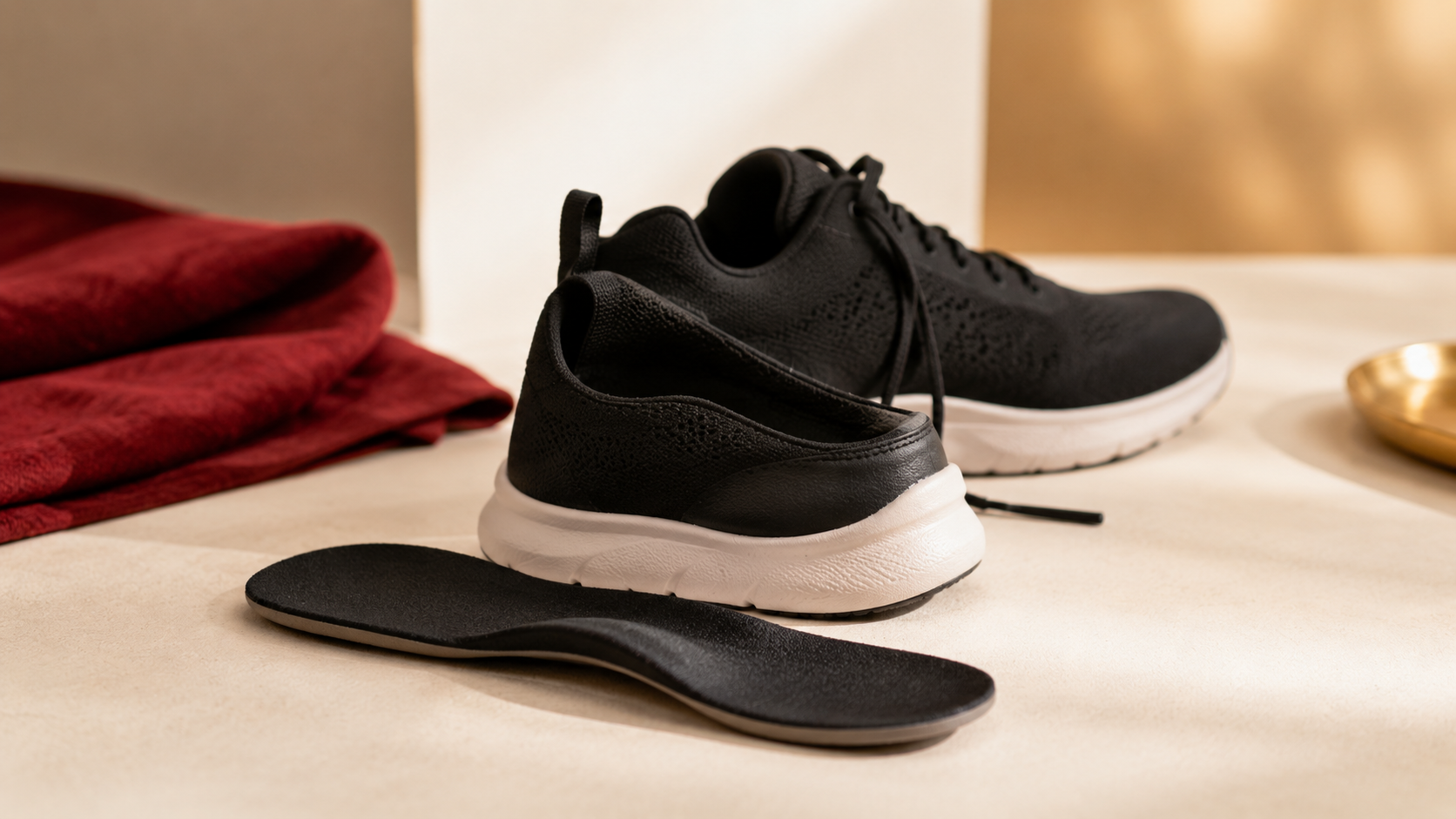
Insoles do not “cure” plantar fasciitis by themselves, but they can be a useful support tool. A good insole can help the foot sit more comfortably inside the shoe, support the arch, cushion the heel, and reduce the feeling of repeated impact during long days.
What to Look For
- Arch support: Helps support the foot’s natural shape inside the shoe.
- Heel cushioning: Helps soften impact under the heel.
- Stable base: Helps reduce excessive foot movement inside the shoe.
- Low-profile fit: Helps avoid crowding your toes or lifting the heel too much.
- Trim-to-fit design: Helps match the insole to your shoe shape.
The best pairing is usually a supportive insole inside a shoe with enough internal space, a secure heel, and a stable midsole.
A Simple Daily Recovery Plan
You do not need an overwhelming routine. The best plan is one you can actually follow, especially during the first few weeks of recovery.
| Time | What to Do | Why It Helps |
|---|---|---|
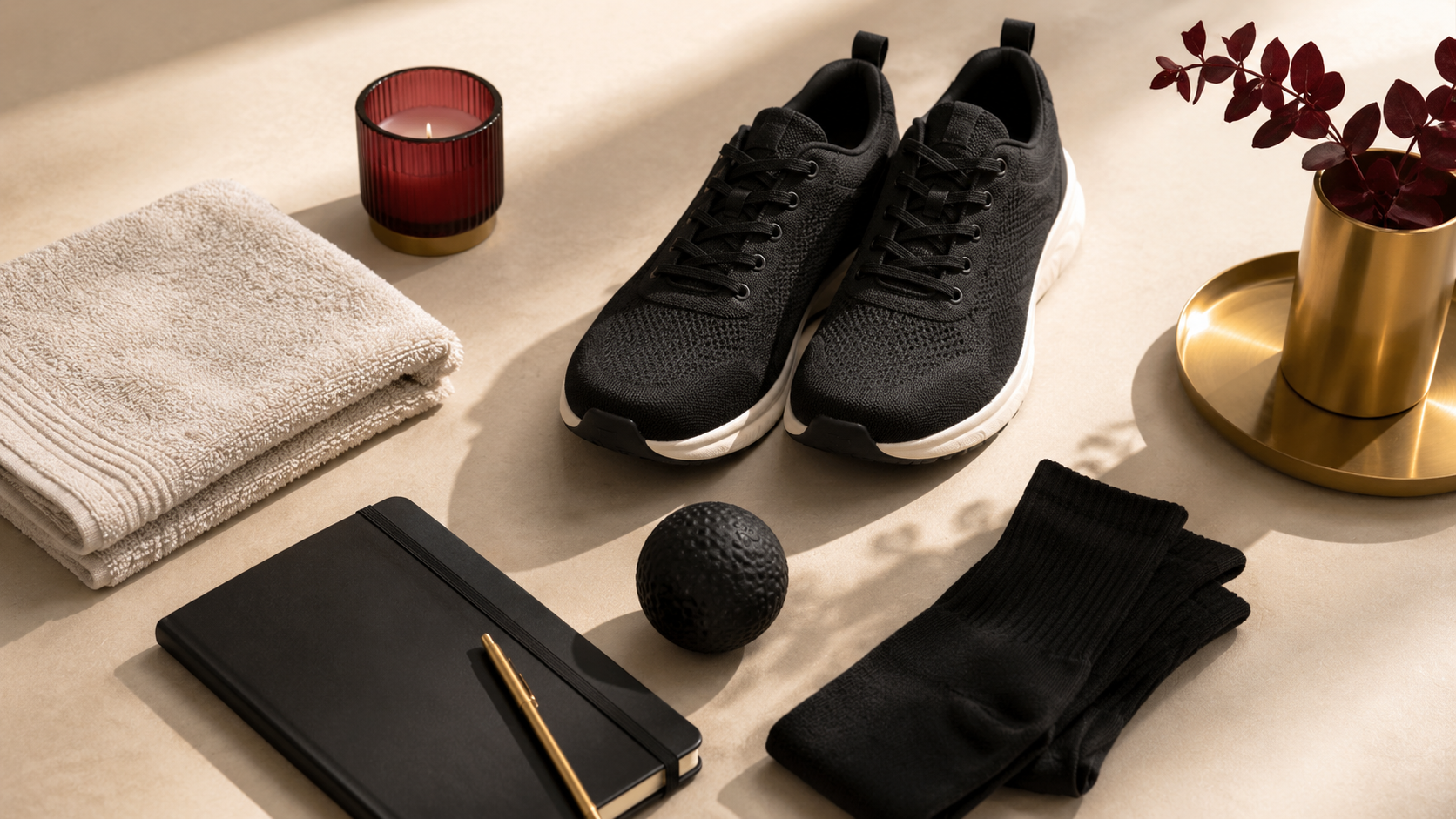
| Before First Steps | Gentle ankle movement or towel stretch before standing. | Helps ease the sudden load on the heel and arch. |
| During the Day | Wear supportive shoes and avoid hard-floor barefoot walking. | Reduces repeated stress through the plantar fascia. |
| After Activity | Use gentle rolling or icing if it feels helpful. | Can help calm irritation after load. |
| Evening | Stretch calves and check how your shoes felt that day. | Supports mobility and helps you spot footwear triggers. |
When “It Will Go Away” Is Not Enough
Some heel pain does not follow a typical plantar fasciitis pattern. If symptoms are severe, persistent, or unusual, it is better to get evaluated instead of waiting indefinitely.
A clinician can help confirm whether plantar fasciitis is actually the cause, or whether another condition such as a stress fracture, nerve irritation, Achilles issue, or heel fat pad problem needs attention.
Support Your Heel & Arch During Recovery
If your heels or arches feel tired during long days, InsoleLux insoles can help improve comfort inside compatible shoes with a clean, low-profile fit and everyday support.
FAQ
Can plantar fasciitis go away completely?
Yes, many people improve enough that daily movement becomes comfortable again. However, symptoms can return if the same triggers remain, such as worn-out shoes, hard-floor standing, or sudden activity increases.
How long does plantar fasciitis usually last?
It varies. Some cases improve within weeks, while others take months. Early support and consistent conservative care often make recovery more manageable.
Why is my plantar fasciitis not healing?
Common reasons include continued overload, unsupportive shoes, barefoot hard-floor walking, tight calves, sudden activity increases, or another condition that is being mistaken for plantar fasciitis.
Can insoles cure plantar fasciitis?
Insoles are not a medical cure, but supportive insoles can help improve arch and heel comfort inside compatible shoes. They work best as part of a broader plan that includes stretching, footwear support, and activity management.
Should I rest completely until plantar fasciitis is gone?
Complete rest is not always necessary, but reducing painful activities is important. Gentle movement that does not worsen symptoms may be fine, while high-impact or long-duration activity may need to be scaled back temporarily.
Can plantar fasciitis become permanent?
It is not usually permanent, but it can become persistent if ignored or repeatedly aggravated. Professional guidance is helpful when symptoms do not improve with basic care.
When should I see a doctor for plantar fasciitis?
Seek care if pain is severe, sudden, caused by injury, affects walking, includes swelling or numbness, or does not improve with supportive footwear, gentle stretching, and activity changes.
Final Take
Plantar fasciitis can often improve significantly, and many people return to comfortable walking, standing, and exercise. But recovery is usually not about one instant cure.
The most reliable path is practical and consistent: reduce the activities that irritate your heel, stretch gently, wear supportive shoes, add arch support when needed, and return to activity gradually.
A supportive insole is not a cure by itself, but it can be a smart daily tool for helping your heel and arch feel more comfortable inside the shoes you already wear.
