

Guides
First Signs of Plantar Fasciitis: Early Heel Pain Symptoms to Watch
Jun
First Signs of Plantar Fasciitis: Early Heel Pain Symptoms to Watch
Plantar fasciitis often starts gradually. Knowing the early signs can help you reduce strain, check your shoes, and support your feet before heel pain becomes harder to manage.
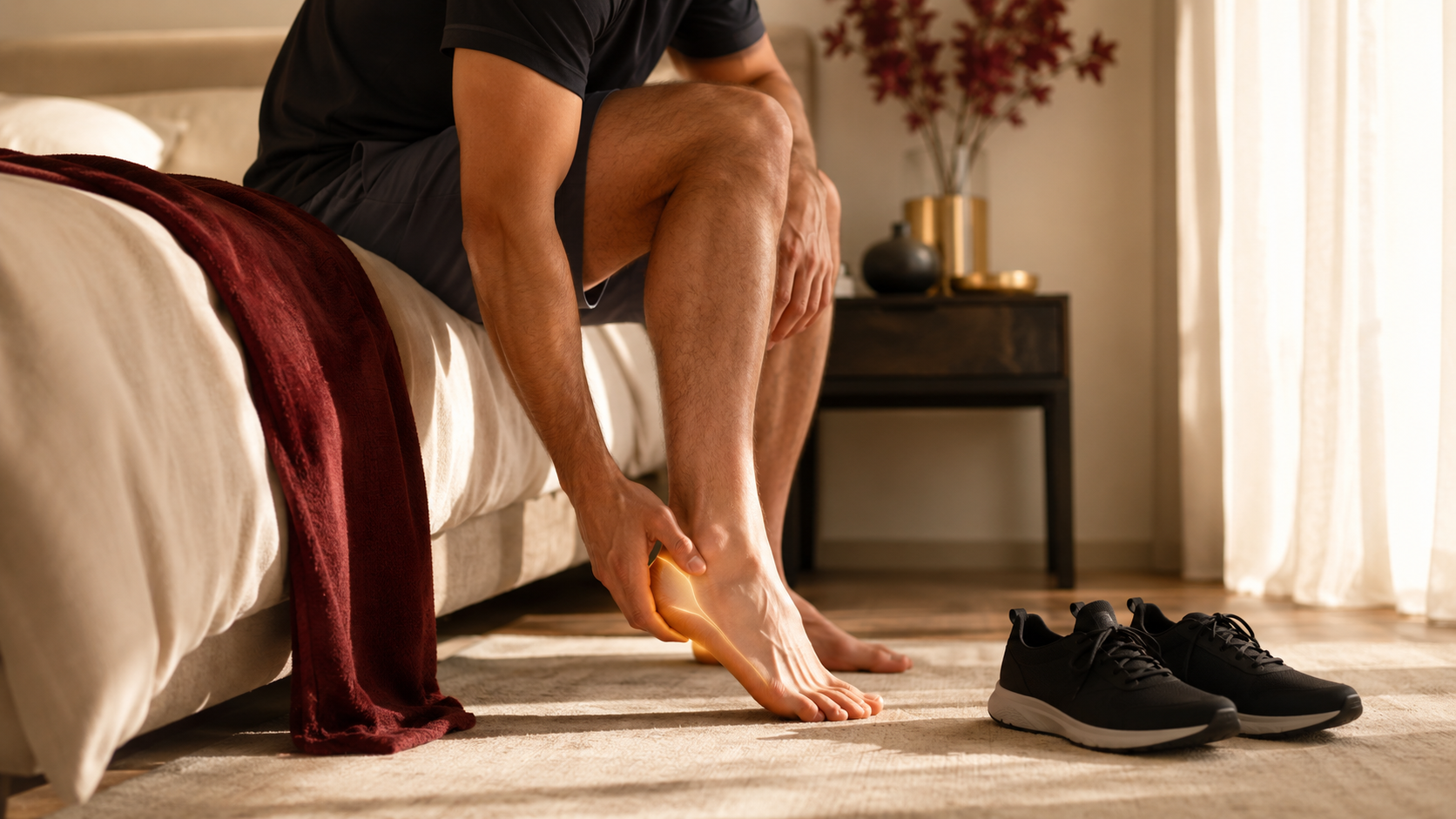
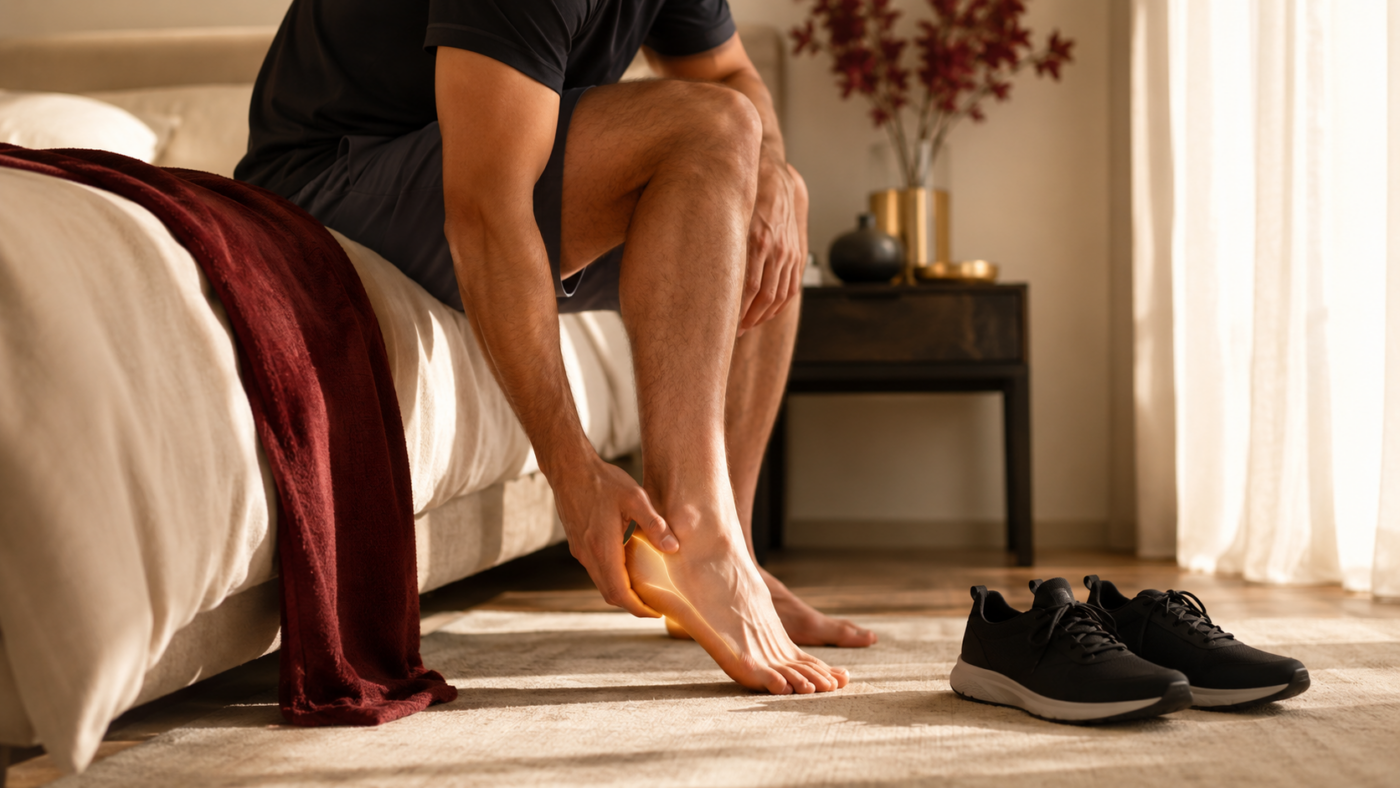
Plantar fasciitis does not always appear suddenly. For many people, it begins as a small warning sign: a stiff heel in the morning, a tight arch after sitting, or soreness under the heel after a long day on your feet.
The challenge is that early symptoms are easy to ignore. They may fade once you walk around, only to return later after standing, walking, running, or wearing unsupportive shoes.
Quick Answer: What Are the First Signs of Plantar Fasciitis?
The first signs often include heel pain with the first steps in the morning, discomfort after sitting, tenderness under the heel, tightness through the arch, and stiffness that improves slightly after gentle movement.
These signs do not confirm plantar fasciitis by themselves, but they are worth paying attention to — especially if you recently increased activity, spend long hours standing, changed shoes, or walk often on hard floors.
Morning Heel Pain
The classic early pattern is discomfort with the first steps after getting out of bed.
Arch Tightness
The bottom of the foot may feel tight, stiff, or like a band is pulling through the arch.
Heel Tenderness
Pressing near the bottom inner heel may feel sore, bruised, or sharply tender.
How Plantar Fasciitis Develops Gradually
The plantar fascia is a strong band of tissue that runs along the bottom of the foot and helps support the arch. When the area is repeatedly overloaded, it can become irritated and less tolerant of daily strain.
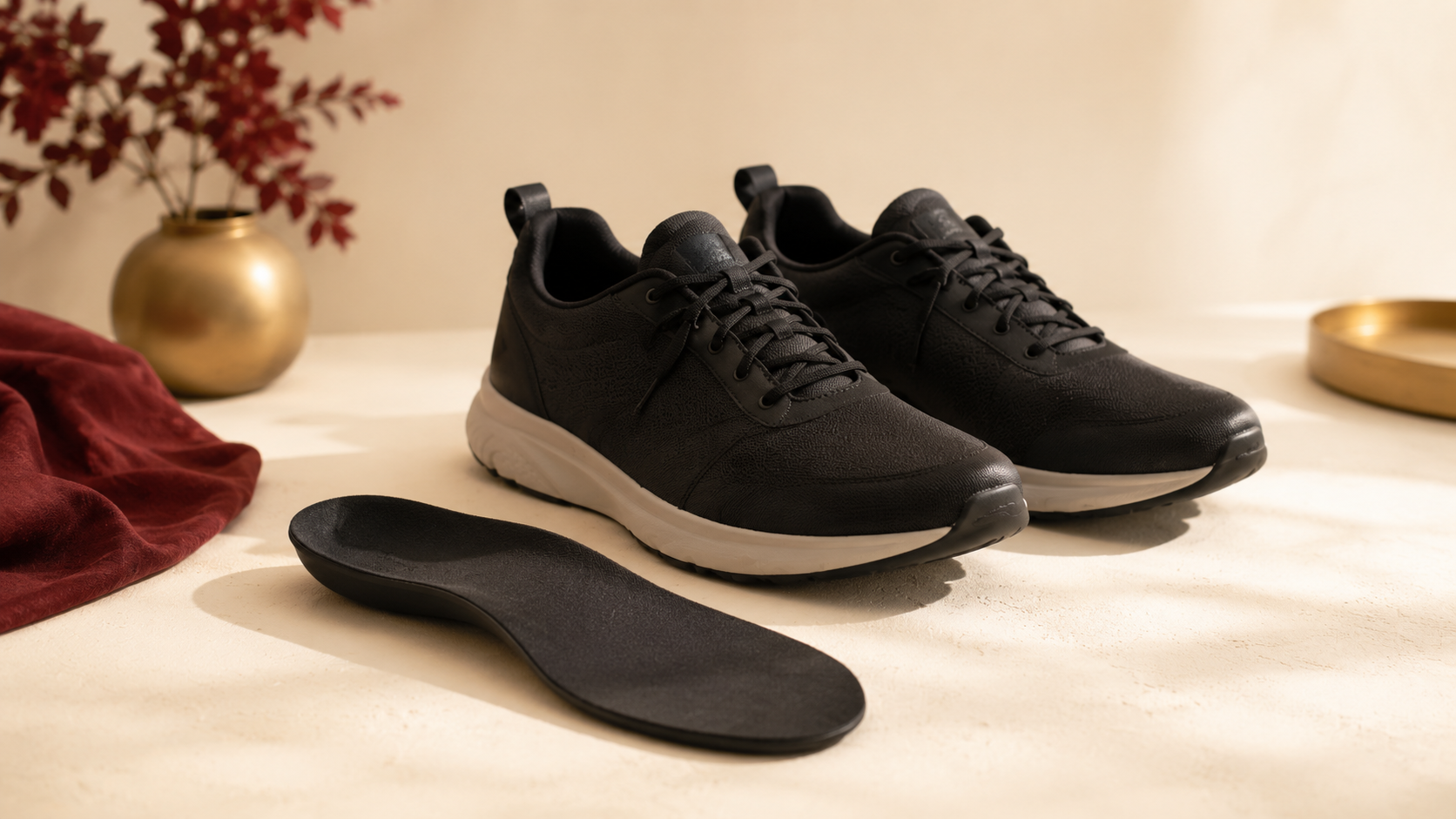
This strain can come from long standing days, running, sudden activity increases, worn-out shoes, hard floors, tight calves, or a foot type that places extra load through the heel and arch.
At first, the discomfort may be mild and inconsistent. But if the same stress continues, the tissue can become more sensitive, making normal daily steps feel uncomfortable.
Sign 1: Morning First-Step Heel Pain
The most recognizable early sign is pain or tightness when you take your first steps after getting out of bed. The heel may feel sharp, stiff, or sensitive for the first few minutes.
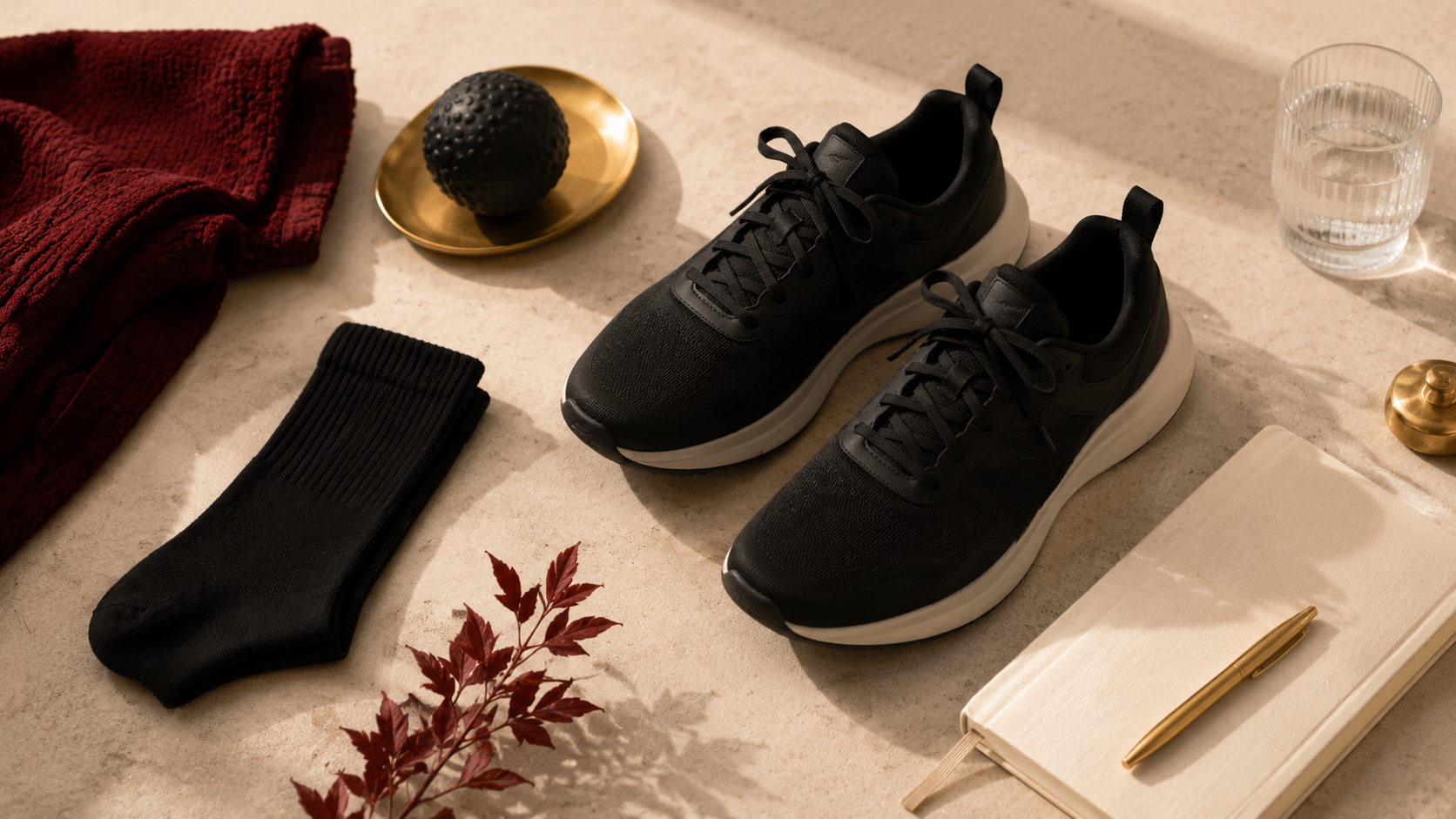
This happens because the foot has been resting overnight. When you stand, the plantar fascia is loaded again quickly. If the tissue is irritated, that first stretch can feel uncomfortable.
Sign 2: Pain After Rest or After Activity
Plantar fasciitis discomfort may not always be worst during activity. Some people feel relatively okay while moving, then notice heel soreness after they stop, sit down, or cool off.

Examples You Might Notice
- Your heel feels stiff after sitting at your desk.
- Pain appears after a long walk instead of during the walk.
- Your foot feels sore after a standing shift.
- Symptoms return later in the day after feeling better in the morning.
This pattern matters because it can make the condition easy to dismiss. If the pain keeps returning, it is worth adjusting your footwear, load, and support early.
Sign 3: Tenderness Under the Heel
Another early sign is tenderness at the bottom of the heel, often toward the inner side where the arch begins. It may feel bruised, sore, or sharply tender when pressed.
This does not mean you should keep poking the area to test it. Repeated pressure can irritate sensitive tissue. Instead, treat tenderness as a signal to reduce strain and improve support.
Check Your Shoes
Look for worn-out cushioning, collapsed midsoles, loose heel fit, or shoes that feel flat and unsupportive.
Reduce Hard-Floor Barefoot Walking
If your heel is tender, walking barefoot on hard floors may increase pressure through the painful area.
Avoid Sudden Load Spikes
Large increases in steps, running, jumping, or standing time can make early symptoms more persistent.
Sign 4: Arch Tightness or Heel Stiffness
Early plantar fasciitis can feel like a tight band along the bottom of the foot. Some people describe it as pulling through the arch, stiffness under the heel, or difficulty flexing the foot upward comfortably.
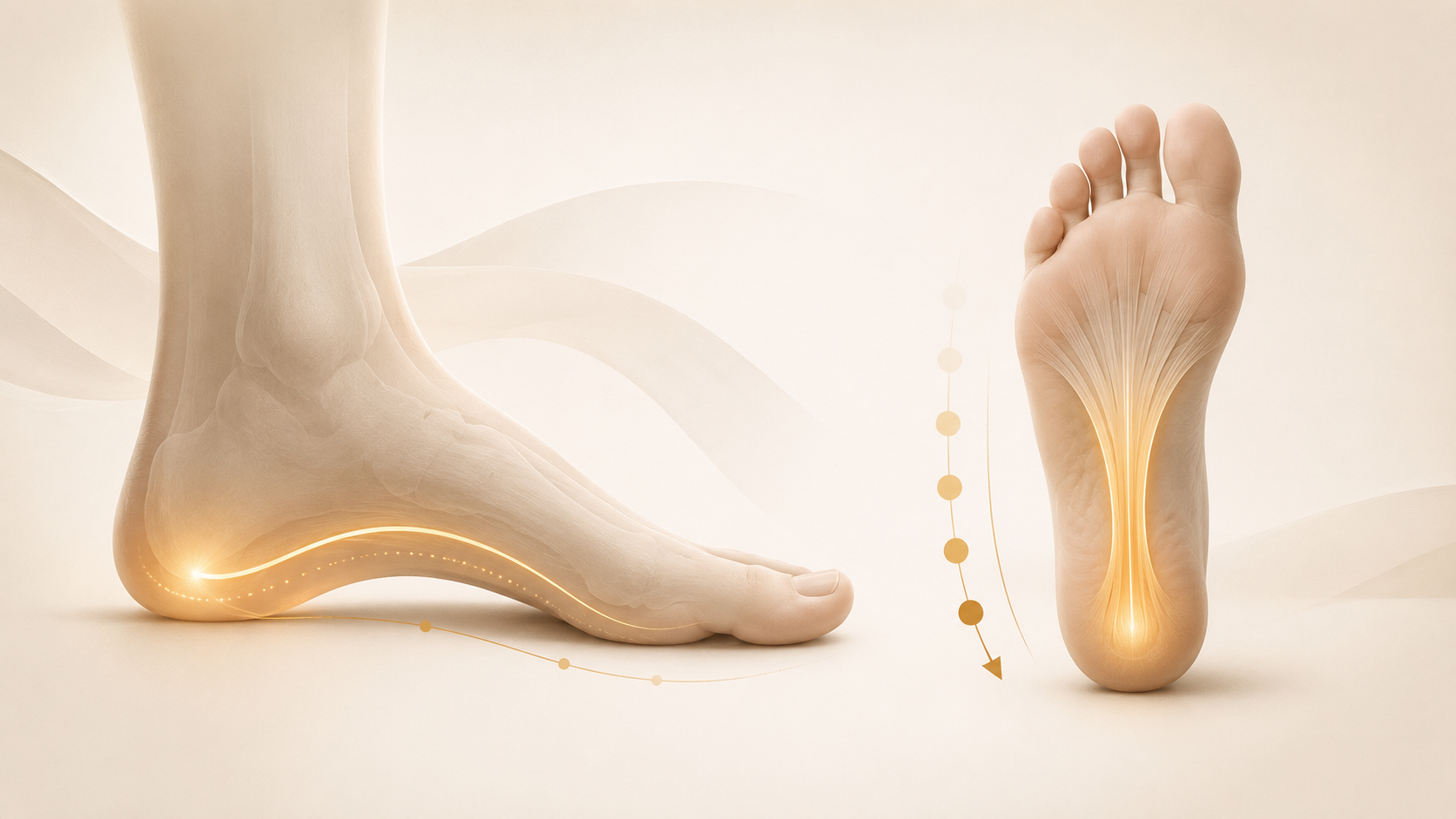
Tight calves can also increase tension through the heel and arch. That is why many conservative routines include calf stretching, gentle plantar fascia stretching, and supportive shoes.
Gentle Comfort Habits
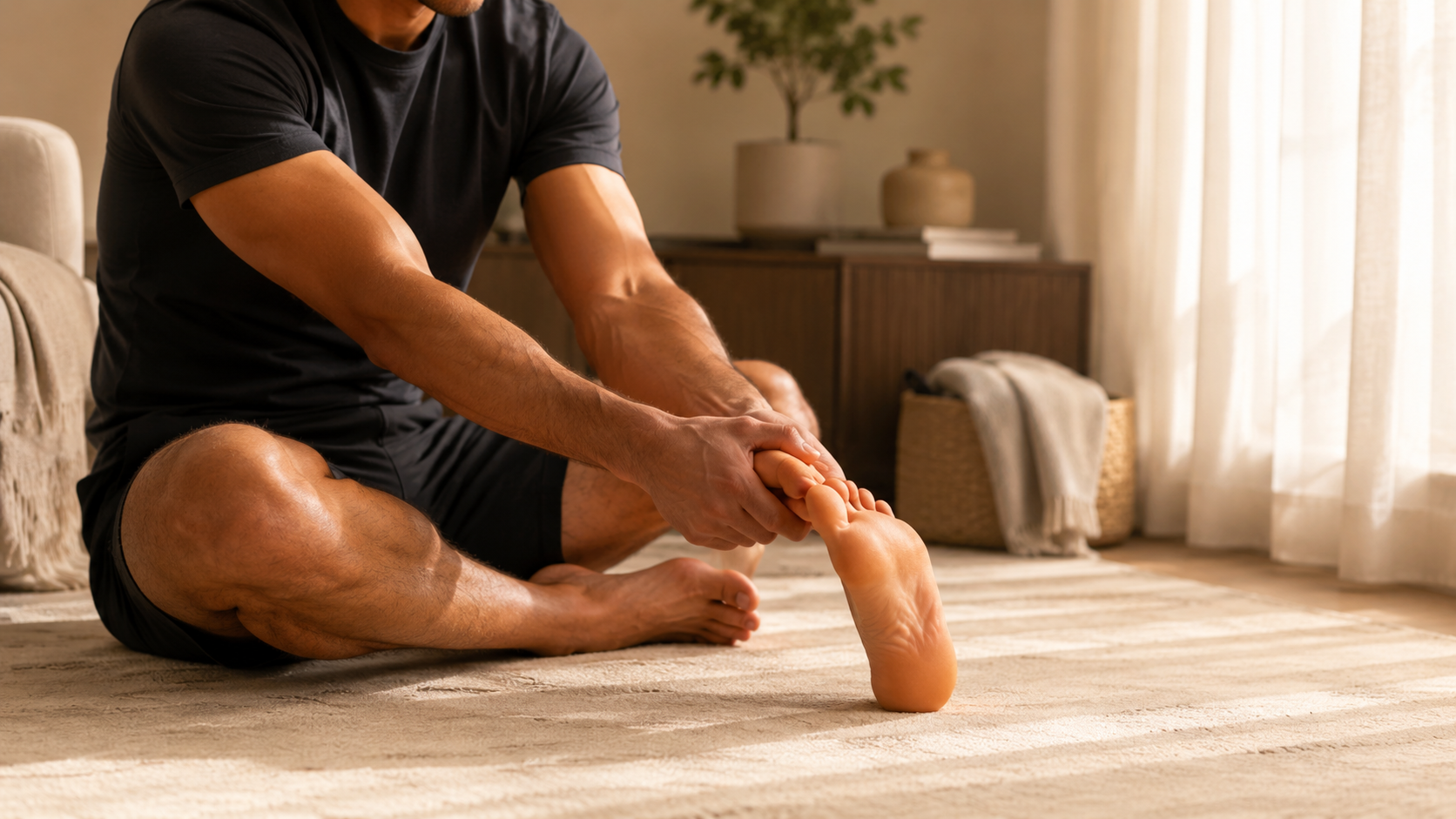
- Do light ankle movement before your first steps in the morning.
- Stretch the calf gently, especially after long standing days.
- Use supportive shoes around the house instead of thin slippers or barefoot walking.
- Roll the arch gently with a small ball only if it feels comfortable.
- Stop any stretch or pressure that causes sharp pain.
Who Is More Likely to Notice Early Symptoms?
Anyone can develop heel discomfort, but certain routines and foot mechanics can make early plantar fascia irritation more likely.
| Risk Factor | Why It Matters | What to Watch |
|---|---|---|
| Long Standing Days | More time on your feet increases repeated load through the heel. | Heel soreness after shifts or hard-floor standing. |
| Running or Training Spikes | Sudden increases can overload the plantar fascia before it adapts. | Pain after runs, long walks, or high-impact workouts. |
| Unsupportive Shoes | Flat, thin, worn-out, or unstable shoes may increase strain. | More pain in old shoes or hard-soled footwear. |
| Flat Feet or High Arches | Both can change how pressure moves through the heel and arch. | Arch fatigue, heel pressure, or uneven shoe wear. |
| Tight Calves | Limited ankle mobility can increase pull through the heel area. | Morning stiffness or tightness during uphill walking. |
| Hard Floors | Less surface cushioning can make heel impact feel harsher. | Discomfort when barefoot at home or work. |
What to Do When Symptoms First Appear
Early heel pain is a signal to adjust, not panic. The goal is to reduce repeated irritation before the pain becomes more established.
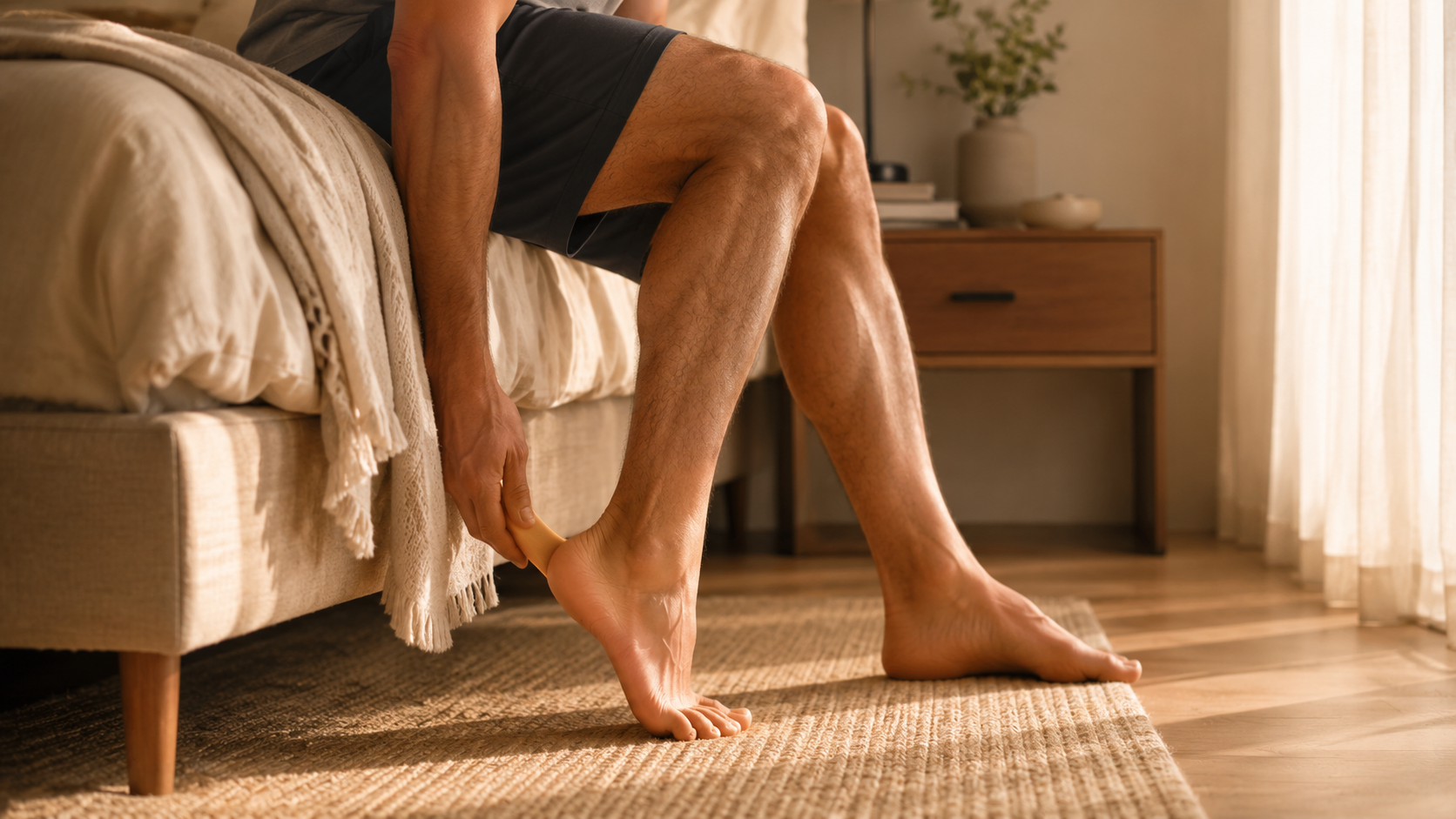
Start With the Basics
- Check your shoes: Replace pairs that are worn down, unstable, or too flat for long days.
- Avoid hard-floor barefoot walking: Use supportive house shoes if morning pain is noticeable.
- Stretch gently: Focus on mild calf and foot mobility, not aggressive pressure.
- Reduce activity spikes: Temporarily scale back running, jumping, or long standing sessions that trigger pain.
- Consider arch support: A supportive insole can help your foot feel more stable inside compatible shoes.
Insoles are not a cure or diagnosis tool, but they can be a practical support layer when your feet feel tired, unsupported, or sensitive during daily movement.
When to Seek Professional Advice
Mild heel discomfort may improve with supportive shoes, rest from irritating activity, and gentle mobility. But some symptoms deserve professional evaluation sooner.
A clinician can help confirm whether your symptoms match plantar fasciitis or whether another condition, such as a stress fracture, Achilles issue, nerve irritation, or heel fat pad problem, may be involved.
Support Early Heel & Arch Discomfort Inside Everyday Shoes
If your heels or arches feel tired during long days, InsoleLux insoles can help improve comfort inside compatible shoes with a clean, low-profile fit and everyday support.
FAQ
What is usually the first sign of plantar fasciitis?
A common first sign is heel pain or stiffness with the first steps in the morning. It may ease after walking briefly, then return later after standing, walking, or exercise.
Can plantar fasciitis start as mild discomfort?
Yes. It often starts gradually with mild heel soreness, arch tightness, or stiffness after rest before becoming more persistent.
Does plantar fasciitis hurt during or after activity?
It can vary. Many people notice pain after activity or after resting, rather than only during the activity itself.
Is heel swelling an early sign?
Mild puffiness or warmth can occur, but significant swelling is not typical and should be evaluated by a professional.
Can shoes make early plantar fasciitis worse?
Unsupportive, worn-out, very flat, or unstable shoes can increase strain through the heel and arch. Supportive shoes and insoles may help improve daily comfort.
Should I keep walking if my heel hurts?
Gentle movement may be fine, but pushing through worsening pain is not ideal. Reduce irritating activity and seek professional advice if symptoms persist.
When should I see a doctor for early heel pain?
Seek care if pain is severe, sudden, caused by injury, affects walking, occurs at night, includes numbness or swelling, or does not improve with basic support and activity changes.
Final Take
The first signs of plantar fasciitis are often subtle: morning heel pain, soreness after rest, tenderness under the heel, arch tightness, or stiffness that keeps returning.
Paying attention early can help you reduce strain before symptoms become more persistent. Start with supportive shoes, gentle stretching, activity adjustments, and better underfoot comfort inside the footwear you already use.
A supportive insole is not a medical cure, but it can be a smart everyday tool for helping your heel and arch feel more stable during long days on your feet.
