

Guides
Best Plantar Fasciitis Treatments: 12 Options for Heel & Arch Comfort
Jun
Best Plantar Fasciitis Treatments: 12 Options for Heel & Arch Comfort
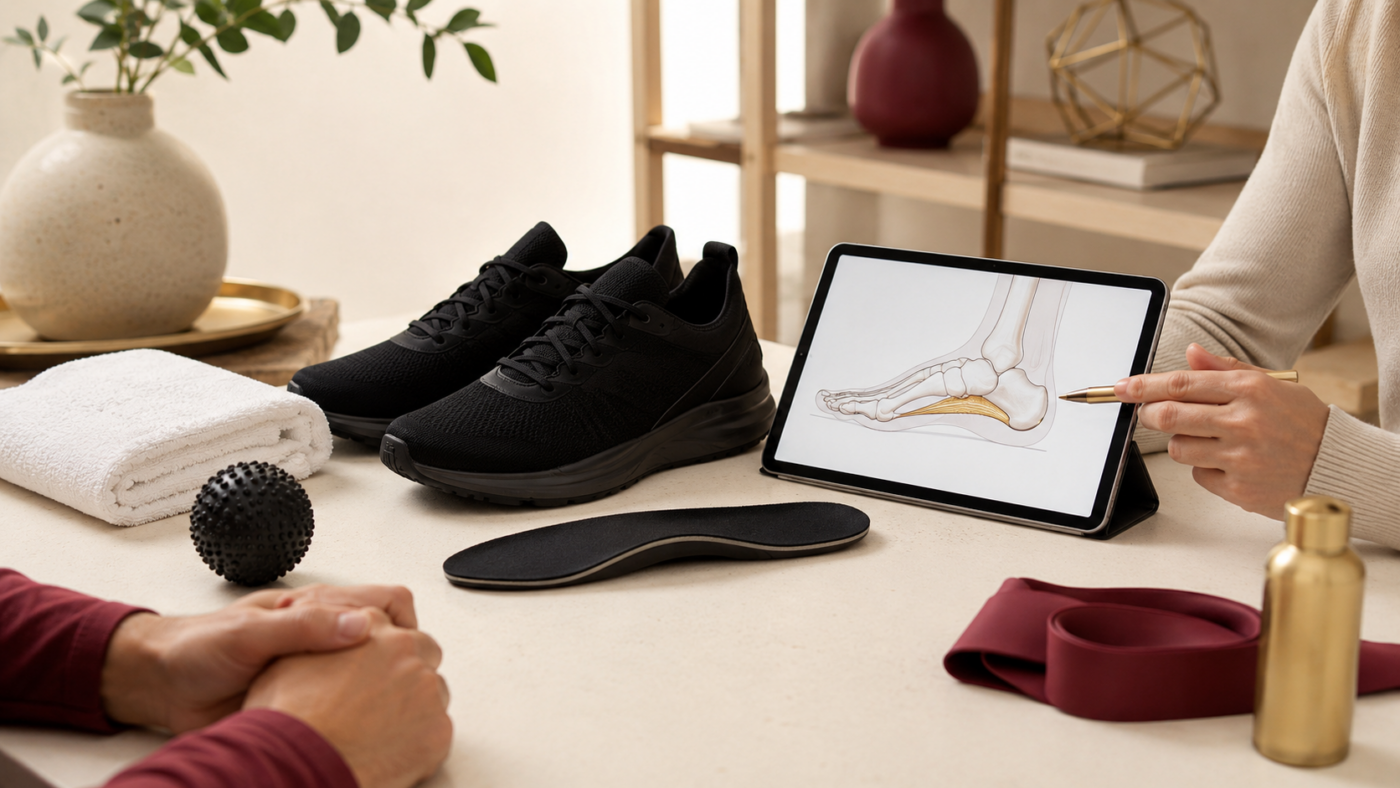
Plantar fasciitis treatment usually starts with simple, conservative steps: better support, better footwear, gentle movement, rest, and professional guidance when symptoms do not improve.
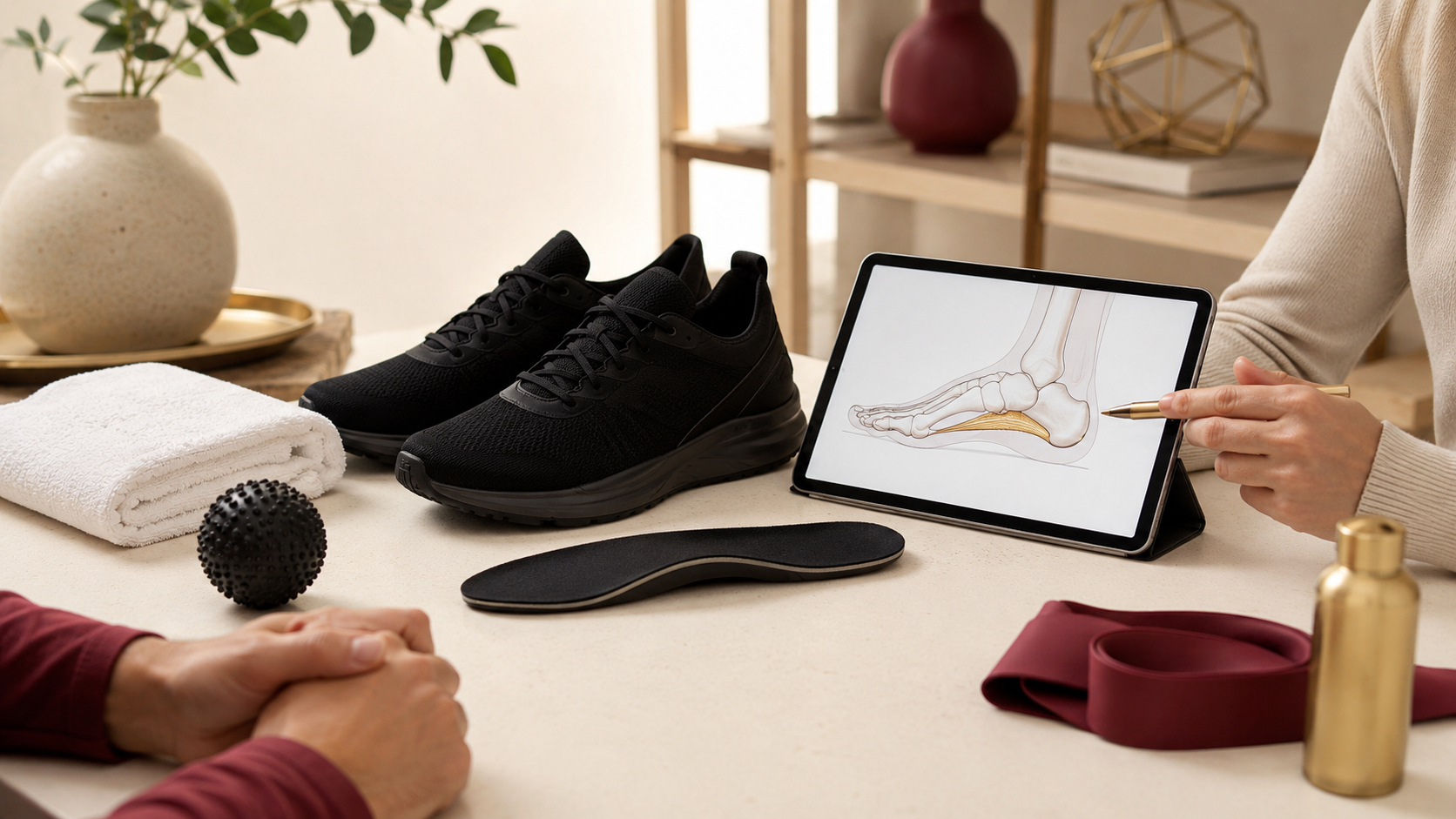
When plantar fasciitis begins to affect your day-to-day life, it is time to take it seriously. The condition can affect the heel and arch, making walking, standing, work, exercise, and even the first steps of the morning uncomfortable.
The right treatment depends on your symptoms, activity level, shoes, foot mechanics, and how long the pain has been present. In many cases, the earlier you reduce strain and add support, the easier symptoms may be to manage.
What Is Plantar Fasciitis?
Plantar fasciitis is a painful foot condition that affects the sole of the foot, most commonly around the heel and arch. It involves irritation or strain of the plantar fascia, the connective tissue that supports the foot’s longitudinal arch.
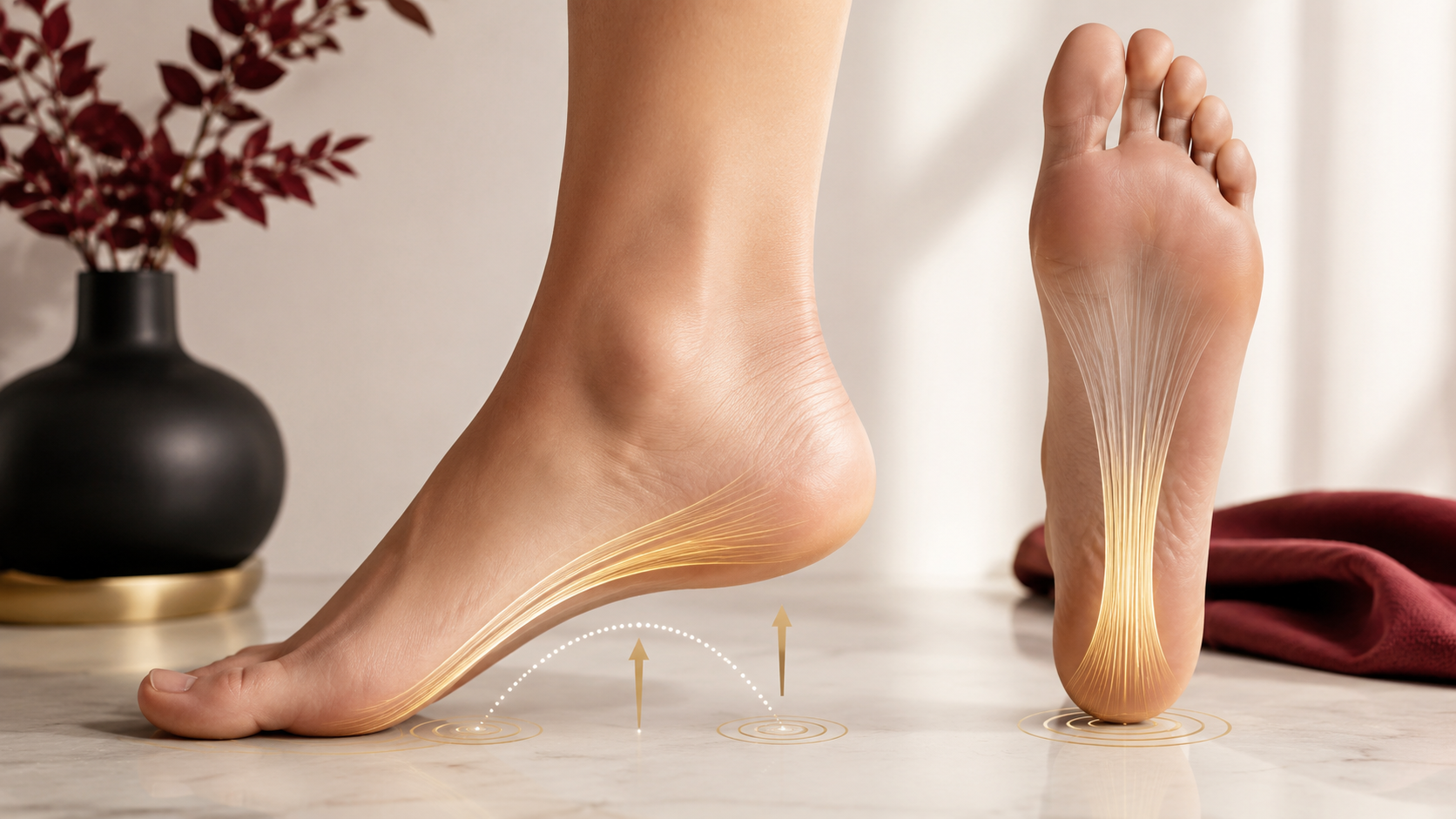
Several factors can contribute to plantar fascia strain, including unsuitable footwear, tight calves or Achilles tendon, overexertion, hard-floor standing, weight/load changes, and activity spikes.
The pain can be especially noticeable after rest or when starting the day. Because plantar fasciitis can become more persistent if ignored, exploring treatment options early is usually better than waiting for symptoms to settle on their own.
1. Wear Supportive Insoles
Most everyday shoes are not designed specifically for plantar fasciitis. If your work shoes, trainers, or casual shoes feel uncomfortable, adding supportive insoles may help improve heel and arch comfort inside compatible footwear.
A well-designed insole can help by cushioning heel impact, supporting the arch, and helping the foot feel more stable inside the shoe. The goal is not to “cure” plantar fasciitis instantly, but to reduce repeated strain during daily movement.
What to Look For
- Heel cushioning: Helps absorb shock during walking and standing.
- Arch support: Helps support the foot’s natural shape.
- Stable base: Helps reduce excessive movement inside the shoe.
- Low-profile fit: Adds support without crowding everyday shoes.
- Trim-to-fit shape: Helps match the insole to your shoe size and shape.
2. Use Off-the-Shelf Orthotics
Off-the-shelf orthotics include products such as insoles, heel cups, and heel inserts that can be bought without a custom fitting. Many are designed to target heel pressure, shock absorption, and everyday comfort.
These options are often compact, easy to use, and suitable for a wide range of shoes. They may be especially useful if you want a practical first step before considering custom orthotics or more advanced care.
When They May Help
- Your heel feels sore during long standing or walking.
- Your shoes feel too flat or unsupportive.
- You want extra heel cushioning inside everyday shoes.
- You need a simple support option that fits multiple shoe types.
3. Use Custom Orthotics
Custom orthotics are made specifically for your feet after assessment by a professional. Like insoles and off-the-shelf orthotics, they aim to improve support, pressure distribution, and foot comfort.
The main difference is fit. A custom device is molded or designed around your foot structure and individual needs. However, custom orthotics can be significantly more expensive, and they are not guaranteed to work for every case.
If you choose custom orthotics, work with a reputable professional such as a podiatrist, orthotist, pedorthist, or other qualified clinician who can properly assess your foot and follow up if adjustments are needed.
4. Wear Supportive Footwear
Poorly fitted footwear can create imbalance, increase heel strain, and make plantar fasciitis symptoms worse. In some cases, unsuitable footwear may be one of the reasons symptoms started.
High heels, very flat shoes, thin soles, worn-out midsoles, and shoes with little support can interfere with how your foot absorbs load.
Supportive Footwear Should Offer
| Feature | Why It Matters | What to Avoid |
|---|---|---|
| Heel Cushioning | Helps reduce harsh impact under the heel. | Thin, hard, worn-out soles. |
| Arch Support | Helps reduce strain through the plantar fascia area. | Flat shoes with no midfoot structure. |
| Secure Fit | Helps prevent sliding and toe gripping. | Shoes that are too loose or too tight. |
| Stable Base | Helps the foot feel controlled during walking. | Unstable or collapsed midsoles. |
| Flexible Forefoot | Allows natural movement without excessive strain. | Overly stiff or awkward-fitting shoes. |
5. Perform Low-Impact Exercises
Having plantar fasciitis does not always mean you must stop moving completely. Low-impact exercise can support recovery by keeping the body active while reducing harsh pressure on the heel.
The key is avoiding overexertion. Choose movements that do not sharply increase heel pain or place too much pressure on the feet.
Helpful Low-Impact Options
- Gentle calf stretching: Helps reduce tension through the heel and arch.
- Plantar fascia stretching: May help with first-step morning discomfort.
- Swimming: Keeps the body active without loading the heel heavily.
- Cycling: May be easier on the heel than running, depending on comfort.
- Foot strengthening: Towel curls, toe mobility, and controlled heel raises may support foot control.
6. Use Home Remedies
Taking care of your feet at home can be just as important as what you do outside the house. Simple home remedies may help reduce irritation and make daily movement more manageable.
Common Home Care Options
- Ice packs: Can help calm soreness after activity. Use a towel barrier and avoid direct prolonged skin contact.
- Gentle massage: May help reduce tightness, but avoid aggressive pressure into sharp pain.
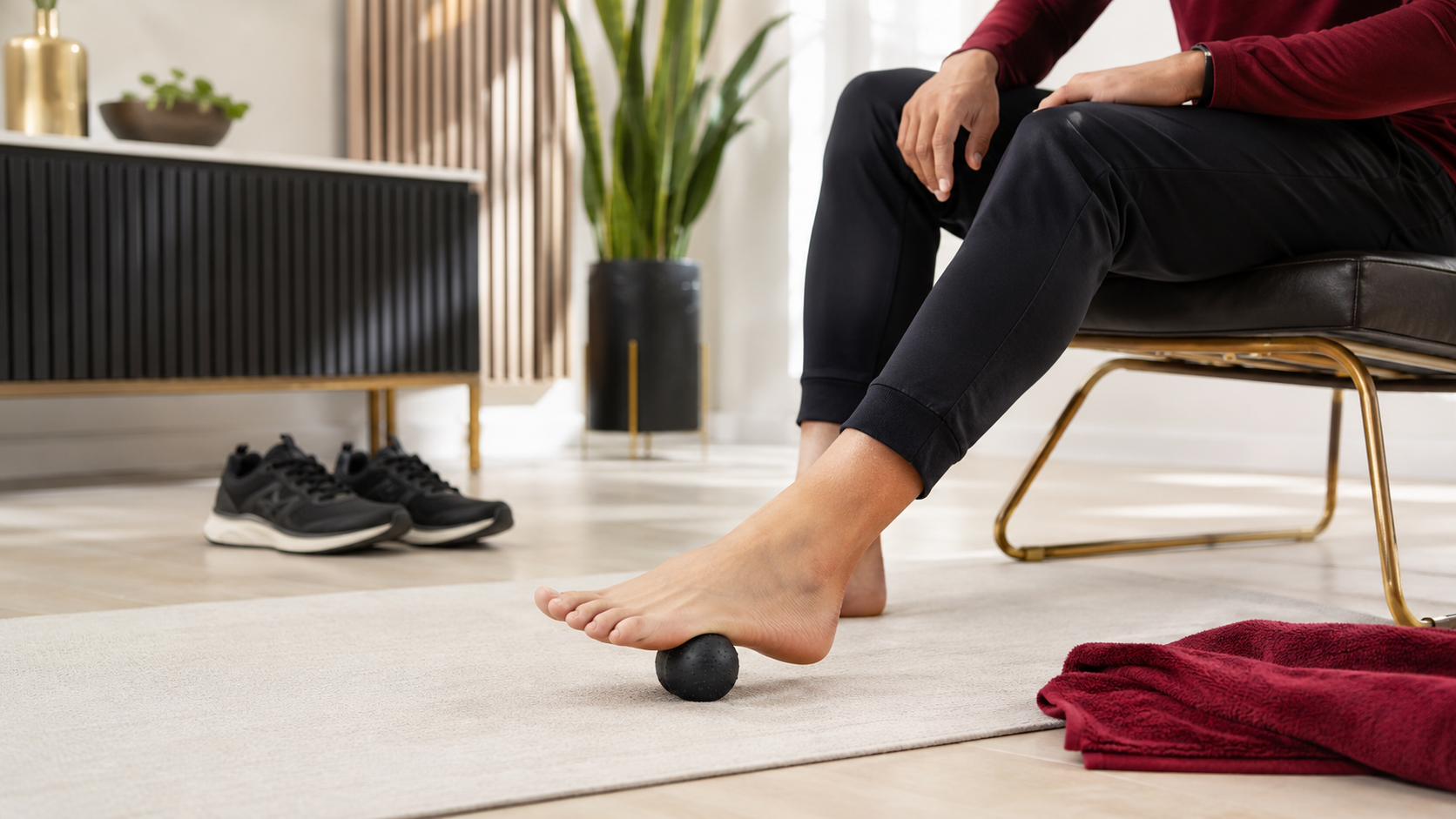
- Foot rolling: Rolling over a massage ball or frozen bottle can feel soothing when done gently.
- Supportive house shoes: Can reduce barefoot hard-floor strain at home.
- Morning mobility: Gentle ankle circles or towel stretching before standing may help ease first steps.
Home care works best when it is consistent and gentle. Forcing painful stretches or deep pressure can make irritated tissue feel worse.
7. Manage Healthy Weight and Load
More body load can increase pressure through the feet during standing, walking, and activity. For some people, weight changes may contribute to plantar fascia strain or make symptoms harder to settle.
This does not mean plantar fasciitis is only about weight. Footwear, activity, surfaces, calf tightness, foot mechanics, and recovery habits all matter too.
If weight management is relevant for you, approach it gradually and safely. Low-impact movement, supportive footwear, and professional guidance can help you stay active without repeatedly irritating the heel.
8. Consider NSAIDs With Caution
Non-steroidal anti-inflammatory drugs, also called NSAIDs, may help reduce pain or inflammation for some people. Common examples include ibuprofen, naproxen, diclofenac, and certain aspirin doses.
They may come as tablets, capsules, creams, or gels. However, they are not suitable for everyone and do not prevent plantar fasciitis from returning.
9. Undergo Physical Therapy
If you are unsure which steps to take, or if symptoms keep returning, a podiatrist or physical therapist can help with diagnosis and a structured recovery plan.
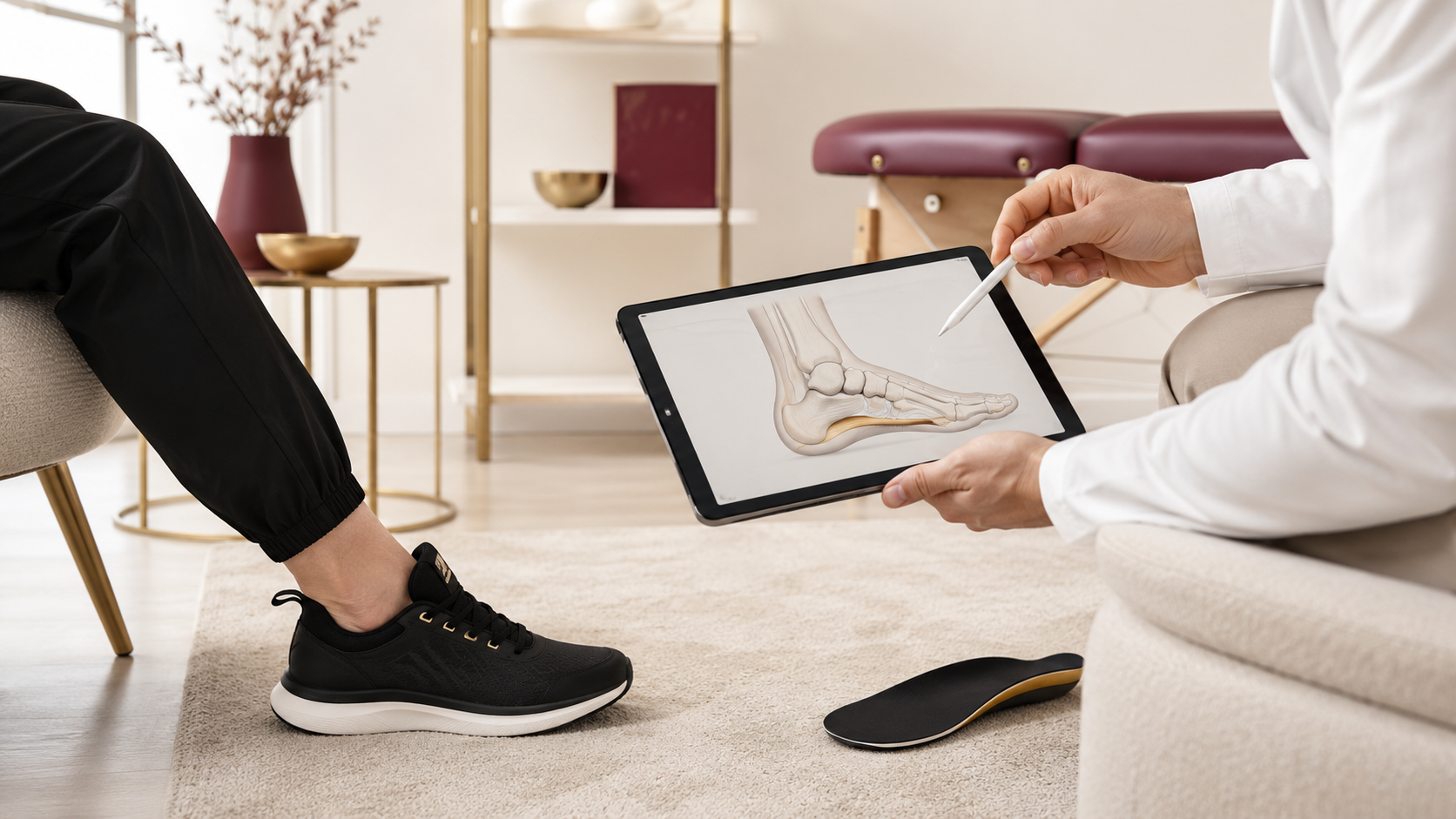
What a Professional May Help With
- Confirming whether symptoms match plantar fasciitis.
- Checking for other causes of heel pain.
- Designing a stretching and strengthening plan.
- Assessing footwear, gait, and foot mechanics.
- Recommending insoles, orthotics, night splints, taping, or other support options.
- Guiding a gradual return to walking, running, work, or training.
10. Rest Well
Busy work and lifestyle routines often keep people on their feet for long periods, especially in unsupportive shoes. If your feet do not get enough recovery time, symptoms can become more persistent.
Rest does not always mean doing nothing. It means reducing the loads that keep aggravating your heel and giving the tissue a chance to calm down.
Practical Rest Tips
- Take a 5–10 minute sitting break if you have been standing for more than an hour.
- Elevate your feet when sitting if your heels feel tired or irritated.
- Alternate standing tasks with seated tasks when possible.
- Reduce long walks, running, jumping, or hard-floor standing during flare-ups.
- Avoid returning to full activity the moment symptoms feel slightly better.
11–12. Injections, Shockwave Therapy, and Surgery
If conservative care is not enough, a healthcare professional may discuss more advanced treatment options. These are usually considered for more persistent or severe cases, not as first steps for mild heel pain.
Steroid Injections
Corticosteroid injections may help reduce pain and inflammation for some people. They are medical procedures and should only be considered under professional guidance because they have possible risks and limitations.
Shockwave Therapy
Extracorporeal shockwave therapy uses pulses of energy to stimulate the tissue and encourage a healing response. Availability, suitability, and results vary, so it is best discussed with a clinician.
Surgery
Surgery is usually a last-resort option when non-surgical treatments have failed and heel pain remains severe or function-limiting. It is not common for most plantar fasciitis cases and requires a careful risk-and-recovery discussion with a specialist.
Which Plantar Fasciitis Treatment Should You Try First?
There is no single best treatment for everyone. The right starting point depends on your pain level, how long symptoms have been present, what shoes you wear, and what activities trigger your heel.
| Situation | Practical First Step | When to Escalate |
|---|---|---|
| Mild recent heel pain | Supportive shoes, gentle stretching, rest from triggers, ice if helpful. | If symptoms do not improve within a few weeks. |
| Pain during long standing | Better footwear, supportive insoles, sitting breaks, hard-floor protection. | If pain changes your walking pattern or keeps returning. |
| Running-related symptoms | Reduce mileage, check shoes, add low-impact cross-training. | If pain persists despite load reduction. |
| Symptoms lasting months | Professional assessment and structured physical therapy plan. | If conservative care fails and advanced treatments are being considered. |
Start With Support You Can Use Every Day
Plantar fasciitis treatment often begins with reducing daily strain. InsoleLux insoles are designed to add low-profile arch support and heel comfort inside compatible everyday shoes.
FAQ
What is the best treatment for plantar fasciitis?
The best treatment depends on the cause and severity of symptoms. Many people start with supportive shoes, insoles, gentle stretching, rest from triggers, and home care. Persistent symptoms should be assessed by a professional.
Do insoles help plantar fasciitis?
Supportive insoles can help improve arch and heel comfort inside compatible shoes. They are best used as part of a broader plan that includes footwear, stretching, and activity changes.
Are custom orthotics better than off-the-shelf insoles?
Not always. Custom orthotics may be helpful for some people, but they cost more and are not guaranteed to work better for every case. A professional can help decide which option makes sense.
Should I keep exercising with plantar fasciitis?
Low-impact exercise may be fine if it does not worsen symptoms. Avoid running, jumping, or high-impact activity during flare-ups unless a clinician has cleared you to continue.
Can NSAIDs cure plantar fasciitis?
No. NSAIDs may help reduce pain or inflammation for some people, but they do not correct footwear, load, flexibility, or support issues that may contribute to symptoms.
When should I see a professional?
Seek professional advice if pain is severe, worsening, affecting walking, lasting more than several weeks, linked with swelling or numbness, or not improving with basic support and activity changes.
Is surgery common for plantar fasciitis?
No. Surgery is usually a last-resort option after non-surgical treatments have failed and symptoms remain severe or function-limiting.
Final Take
The best plantar fasciitis treatment plan is usually not one single fix. It is a combination of reducing strain, supporting the foot, improving shoes, stretching gently, resting well, and getting professional help when symptoms persist.
Start with conservative options first: supportive insoles, off-the-shelf orthotics, better shoes, low-impact exercise, home remedies, and smarter rest. If heel pain continues, physical therapy or clinician-guided treatments may be the next step.
InsoleLux insoles are not a cure, but they can be a practical daily support tool for helping your heel and arch feel more comfortable inside the shoes you already wear.
