

Guides
Can Plantar Fasciitis Go Away on Its Own?
Jun
Can Plantar Fasciitis Go Away on Its Own?
Mild plantar fasciitis may improve on its own, but recovery often depends on how much strain you keep placing on the heel and arch — and whether you support the foot early enough.
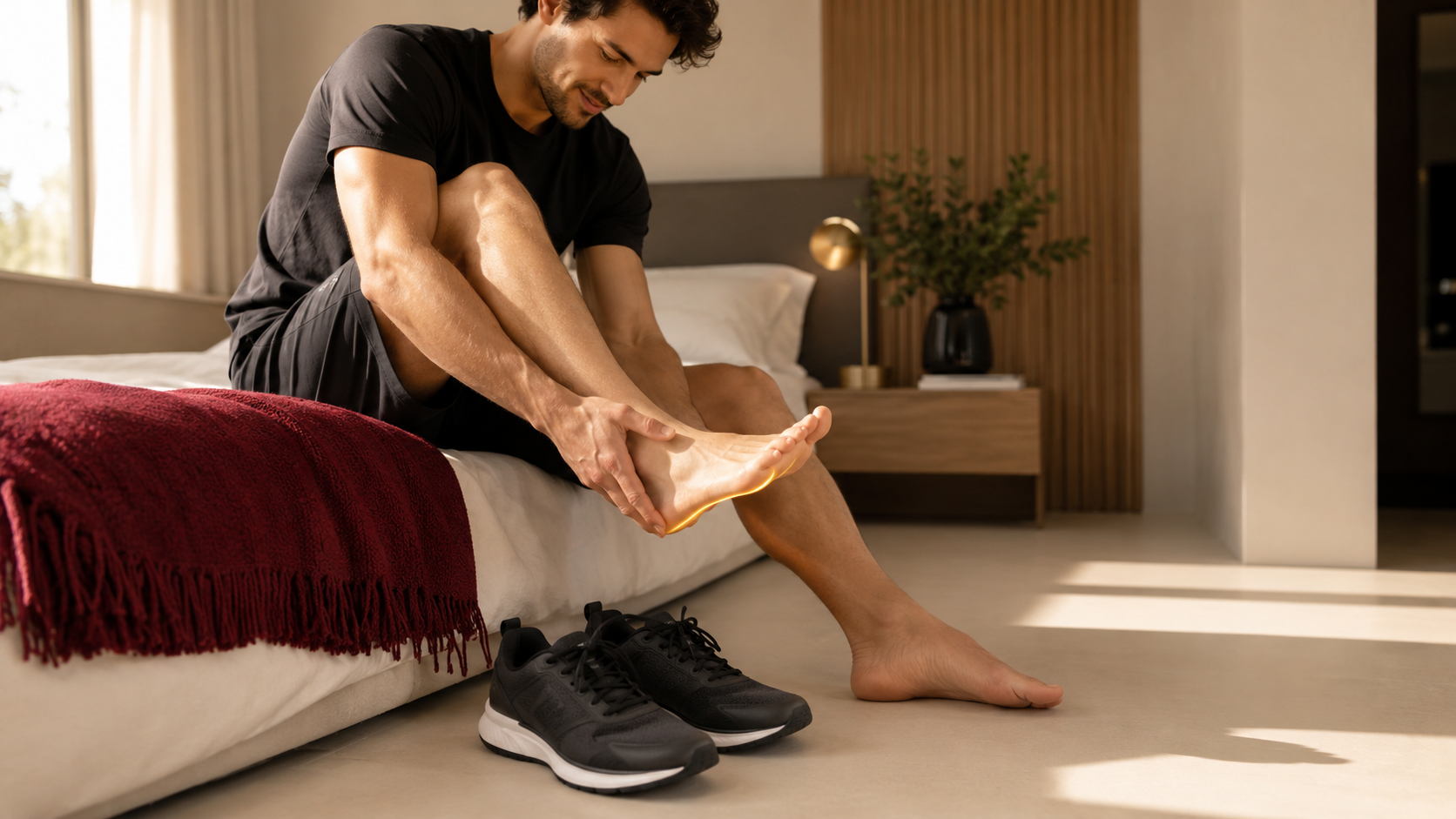
The short answer is yes — plantar fasciitis can sometimes go away on its own. However, how long it takes depends on the severity of the irritation, how early you respond, and how well you reduce the strain that keeps triggering symptoms.
In mild cases, symptoms may settle naturally over several weeks to a few months. But if nothing changes in your routine, footwear, activity level, or support, plantar fasciitis can linger much longer and become more frustrating to manage.
Quick Answer: Can It Go Away Without Treatment?
Sometimes, yes. Mild plantar fasciitis may improve naturally as irritation settles and the plantar fascia becomes less sensitive. This is more likely when symptoms are recent, the pain is not severe, and you avoid the activities or shoes that keep aggravating it.
However, “going away on its own” does not mean ignoring it. Plantar fasciitis is often slow to calm down because the heel and arch are loaded every time you stand, walk, or take your first steps in the morning.
Mild Cases Can Improve
Recent, mild symptoms may settle with time, reduced strain, supportive shoes, and gentle movement.
Ignoring It Can Prolong It
If you keep standing, walking, or training through pain, the tissue may stay irritated.
Support Speeds the Process
Stretching, footwear changes, rest from triggers, icing, and arch support can make recovery more manageable.
Why Plantar Fasciitis Often Does Not Heal Quickly on Its Own
The plantar fascia is a thick band of tissue that supports the arch and connects the heel toward the front of the foot. It handles a lot of daily load, especially during standing, walking, running, and first steps after rest.
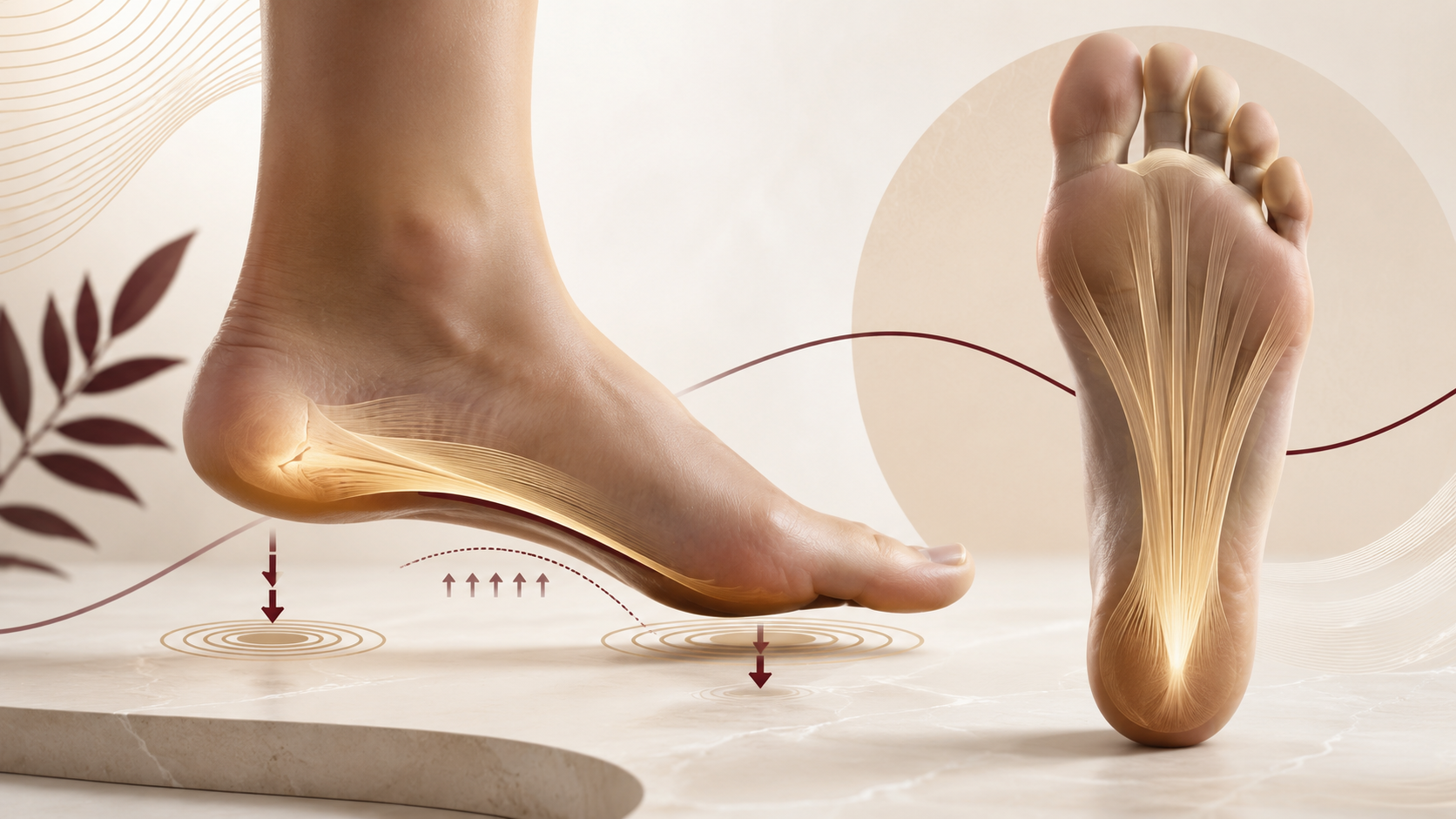
Healing can be slow because the same tissue that needs to calm down is also being used all day. If your routine includes long standing, hard floors, worn-out shoes, sudden activity increases, or barefoot walking on hard surfaces, the plantar fascia may not get enough relief to recover.
Common Reasons It Lingers
- You keep walking or standing for long periods without changing footwear or support.
- You continue running, jumping, or training through symptoms.
- Your shoes are too flat, too worn out, unstable, or lacking arch and heel support.
- You walk barefoot on hard floors at home.
- Your calves are tight, increasing pull through the heel and arch.
- You only rest for a day or two, then immediately return to the same load.
What Helps Plantar Fasciitis Heal Faster at Home
Simple home care can often support recovery and reduce the chance that mild symptoms become chronic. The goal is to lower pressure, improve flexibility, and make daily movement more comfortable.
Rest and Activity Modification
Temporarily reduce long walks, running, jumping, or prolonged standing if they clearly trigger symptoms. Low-impact activity such as cycling or swimming may be easier on the heel.
Stretching
Gentle calf stretches and plantar fascia stretches can reduce tension through the heel and arch. Consistency matters more than intensity.
Footwear Changes
Wear shoes with better heel cushioning and arch support. Avoid very flat shoes or walking barefoot on hard floors while symptoms are active.
Supportive Inserts
If your shoes do not provide enough support, a supportive insole can help improve arch and heel comfort inside compatible footwear.
Ice Therapy
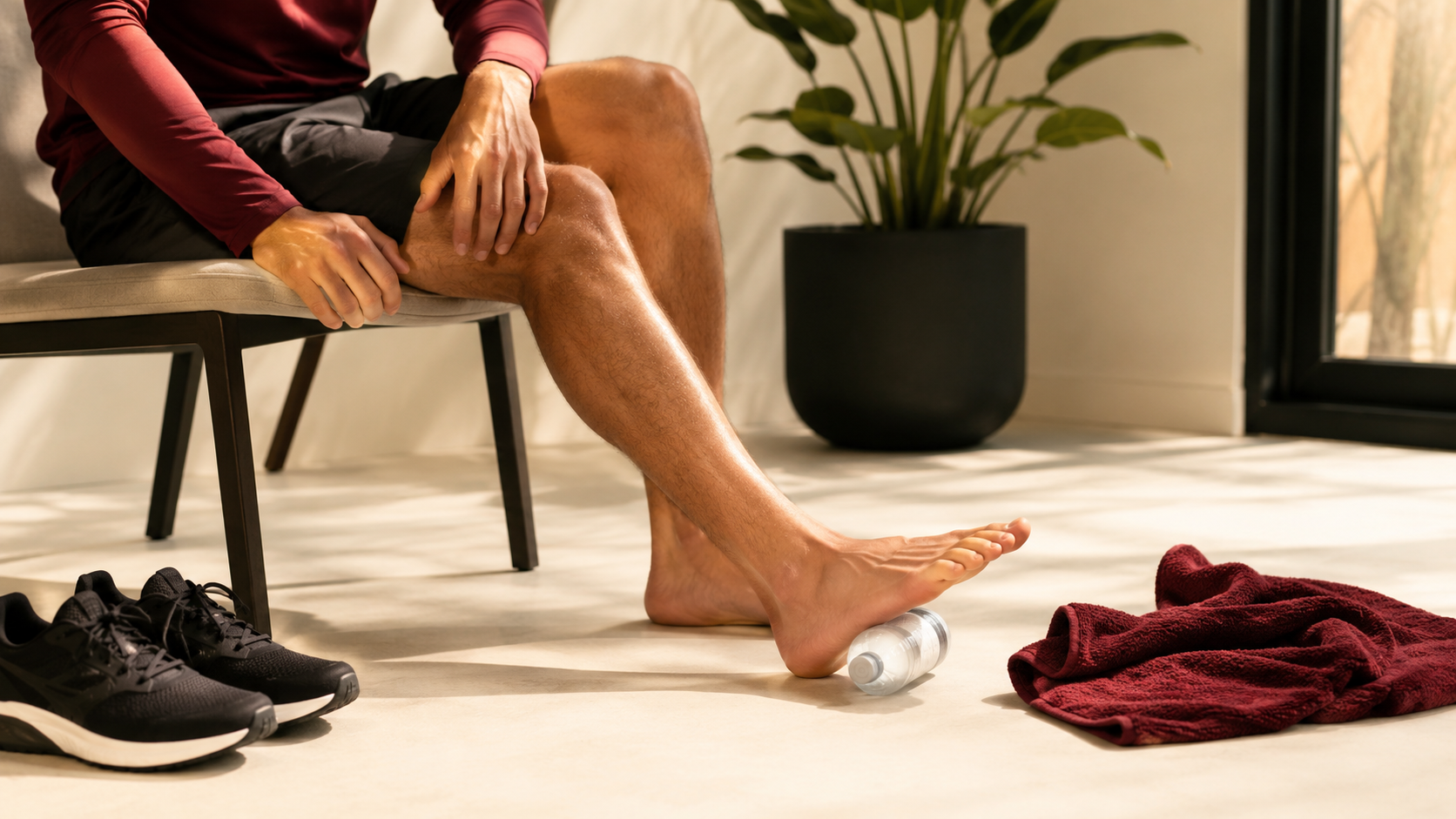
Applying an ice pack or rolling the foot gently over a frozen bottle after activity may help calm irritation during flare-ups. Use a towel barrier and avoid overdoing it.
When to See a Professional
If plantar fasciitis is mild and improving, home care may be enough. But some signs suggest it is time to get a professional evaluation instead of waiting longer.
A clinician can confirm whether your symptoms match plantar fasciitis or whether another cause of heel pain may be involved, such as a stress fracture, nerve irritation, Achilles issue, or heel fat pad problem.
If conservative care is not enough, a professional may discuss physical therapy, night splints, injections, imaging, or other treatment options based on your case.
Typical Plantar Fasciitis Recovery Timeline
Recovery time varies a lot. The timeline depends on severity, how long symptoms have been present, how much daily load you place on the heel, and whether you actively reduce strain.
| Severity | Typical Timeline | What It Usually Means |
|---|---|---|
| Mild Cases | 2–6 weeks | Symptoms are recent, not severe, and improve with basic care such as stretching, rest, and supportive shoes. |
| Moderate Cases | 6–12 weeks | This is common. With consistent home care, many people notice steady improvement over a few months. |
| Chronic or Severe Cases | 3–12 months or longer | Symptoms have lasted for months, morning heel pain is significant, or heavy walking/running continues to aggravate the tissue. |
The biggest mistake is feeling slightly better and immediately returning to the same activity level that triggered the pain. Recovery is usually easier when activity increases gradually.
Where Shoes and Insoles Fit
Plantar fasciitis recovery is not only about stretching. Your feet spend most of the day inside shoes, and poor support can keep the heel and arch irritated even if you do everything else right.

What to Look For
- Heel cushioning: Helps soften repeated impact during walking and standing.
- Arch support: Helps support the foot’s natural shape inside the shoe.
- Stable midsole: Reduces excessive collapse or wobble under the foot.
- Secure heel fit: Helps prevent sliding and unnecessary movement inside the shoe.
- Low-profile insole fit: Adds support without making everyday shoes feel crowded.
Support Your Heel While It Recovers
Plantar fasciitis may improve on its own, but better support can make daily movement feel more manageable. InsoleLux insoles are designed to add low-profile arch and heel comfort inside compatible everyday shoes.
FAQ
Can plantar fasciitis go away without treatment?
Mild cases may improve naturally, especially if you reduce strain and avoid activities that make symptoms worse. However, ignoring persistent heel pain can prolong recovery.
How long does plantar fasciitis take to go away?
Mild cases may improve in a few weeks, moderate cases often take several weeks to a few months, and chronic cases may take many months or longer.
Why is plantar fasciitis slow to heal?
The plantar fascia is loaded every time you stand or walk. If daily pressure, hard floors, poor footwear, or activity spikes continue, the tissue may stay irritated.
What helps plantar fasciitis heal faster?
Rest from irritating activity, gentle stretching, supportive footwear, arch support, avoiding barefoot hard-floor walking, and icing during flare-ups may help symptoms settle.
Should I keep walking with plantar fasciitis?
Gentle walking may be fine if it does not worsen symptoms. Long walks, hard surfaces, or pushing through increasing pain may slow recovery.
Do insoles help plantar fasciitis go away?
Insoles do not directly cure plantar fasciitis, but supportive insoles can help improve heel and arch comfort inside compatible shoes, especially during long walking or standing days.
When should I see a doctor or podiatrist?
Seek professional care if pain lasts longer than 6–8 weeks, is severe or worsening, includes numbness or tingling, affects walking, or does not improve with basic care.
Final Take
Plantar fasciitis can go away on its own in some mild cases, but recovery is usually faster and more predictable when you actively reduce strain.
The basics matter: rest from irritating activity, stretch gently, wear supportive shoes, avoid barefoot hard floors, use ice when helpful, and add arch support if your footwear needs it.
If symptoms persist, worsen, or affect your ability to walk, do not wait indefinitely. A professional evaluation can help confirm the cause and guide the right next step.
