

Guides
How to Walk Properly: Posture, Foot Strike & Everyday Support
Jun
How to Walk Properly: Posture, Foot Strike & Everyday Support
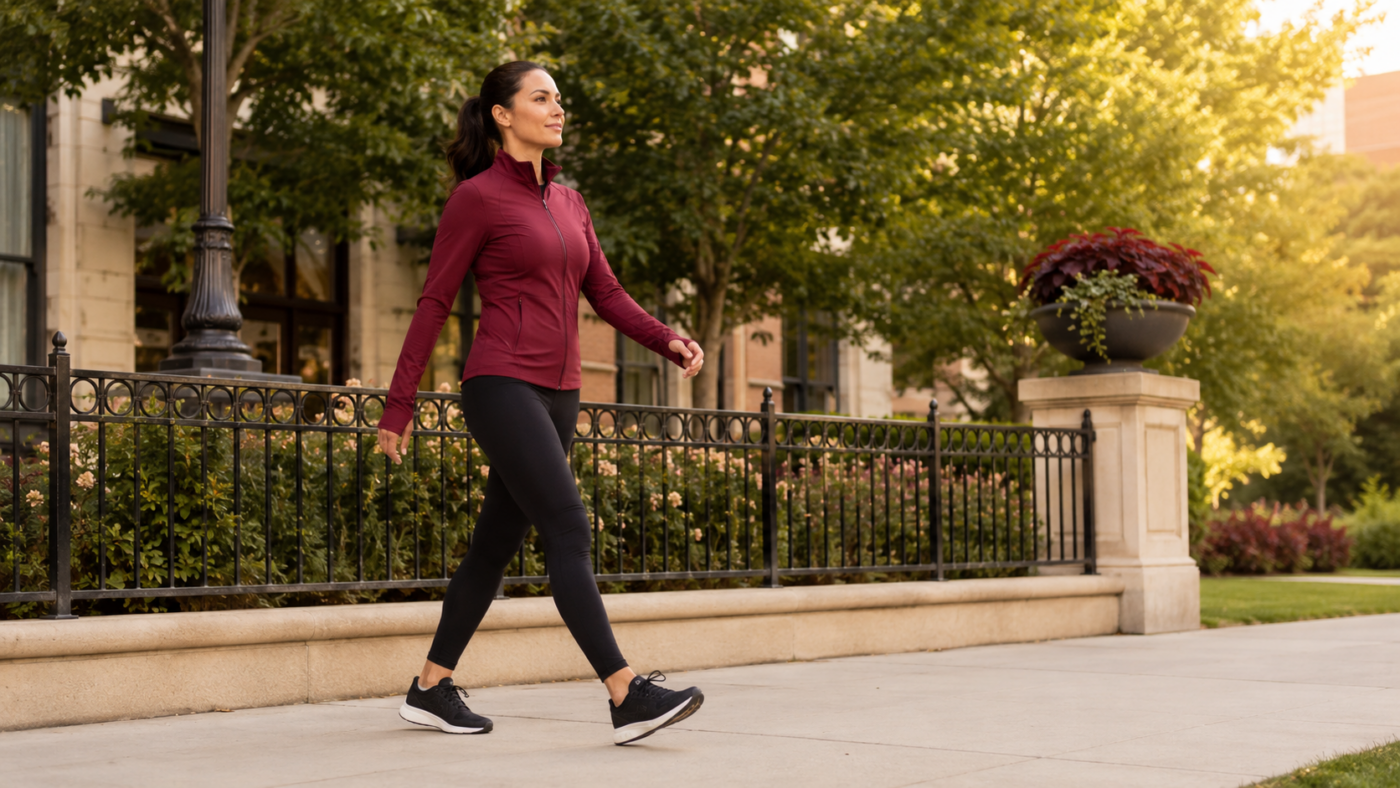
Better walking starts with the whole body — posture, hips, arms, feet, and footwear all work together to make each step feel more natural and controlled.
Most people do not think much about how they walk. It happens automatically. But walking mechanics can affect how your feet, legs, hips, and back feel over time.
Poor walking posture may place extra stress on the front of the body, reduce natural momentum, and make each step feel less efficient. Better walking does not need to look forced or overly athletic. It should feel tall, relaxed, balanced, and natural.
Quick Answer: How Should You Walk Properly?
Proper walking should feel upright, relaxed, and efficient. Keep your head up, shoulders relaxed, arms swinging naturally, hips driving the movement, and feet landing smoothly under your body rather than far out in front.
The goal is not to overthink every step. The goal is to avoid habits that create unnecessary strain — such as leaning forward, shuffling, overstriding, wearing poor-fitting shoes, or walking with stiff arms.
Stay Upright
Keep your posture tall and relaxed so the body stacks more naturally over the feet.
Use Momentum
Let the back leg, hips, and arms create a natural forward rhythm.
Support the Feet
Shoes and insoles should feel secure, supportive, and comfortable for your daily walking routine.
Why Walking Mechanics Matter
You may take thousands of steps each day. Small habits can add up when repeated over and over. If your walking pattern is stiff, unstable, or poorly supported, your feet and lower body may absorb more strain than necessary.
The source article notes that poor walking mechanics may be linked with several discomfort patterns, including arch pain, heel pain, metatarsal pain, and back pain. The point is not to diagnose every ache from walking style alone — it is to make walking smoother and less stressful where possible.
1. Walk Tall With Relaxed Posture
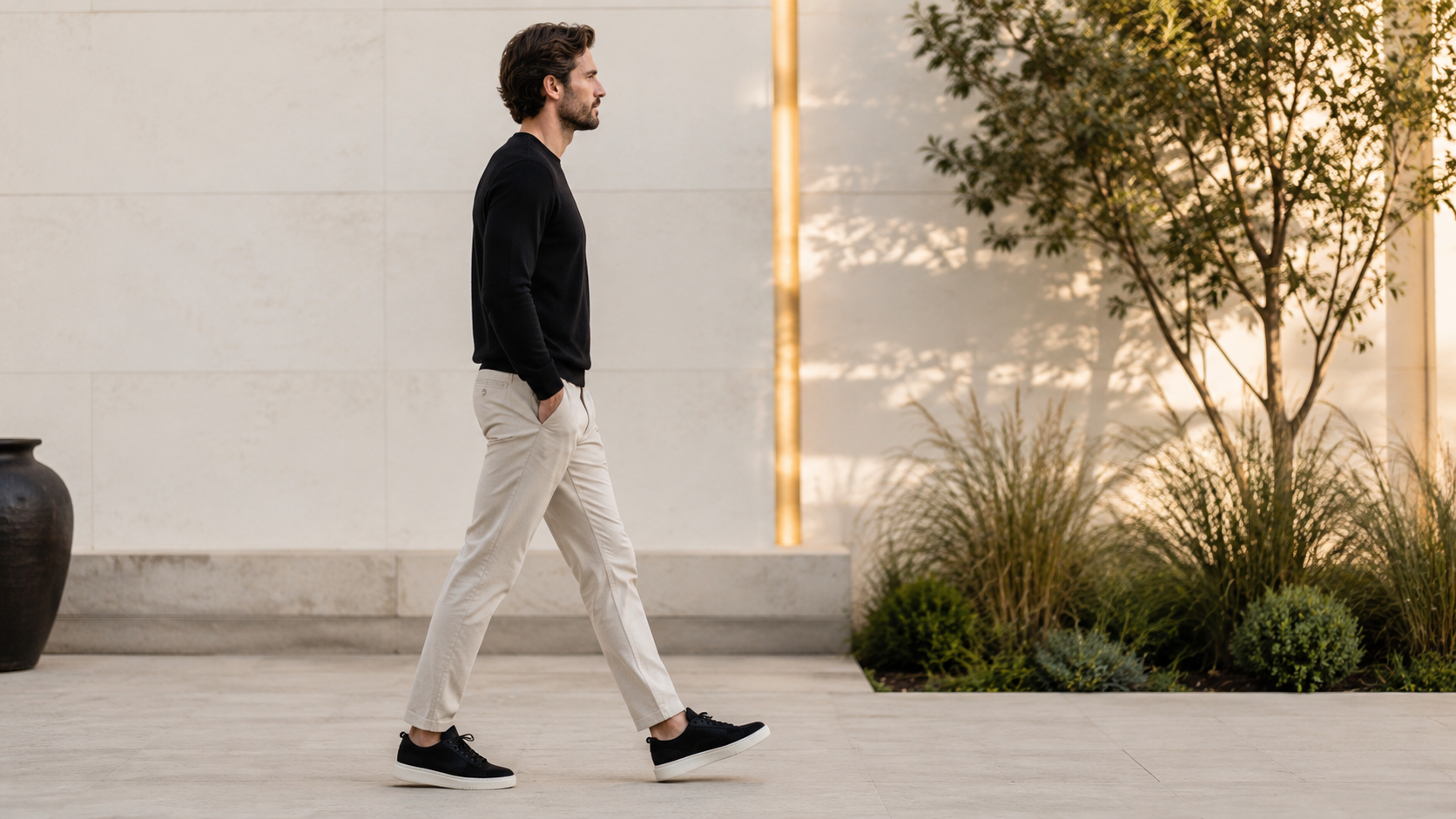
Start with posture. Keep your head up, eyes forward, shoulders relaxed, and chest open. Your body should feel stacked over your hips and feet instead of folded forward.
Avoid walking with your neck pushed forward or your eyes constantly down at the ground. Looking slightly ahead can help keep the upper body aligned and make your stride feel more confident.
Posture Cues
- Keep your head level and eyes forward.
- Relax your shoulders away from your ears.
- Let your arms hang naturally at your sides.
- Keep your chest open without over-arching your back.
- Walk tall, but do not tense your whole body.
2. Push Off From Your Hips and Back Leg
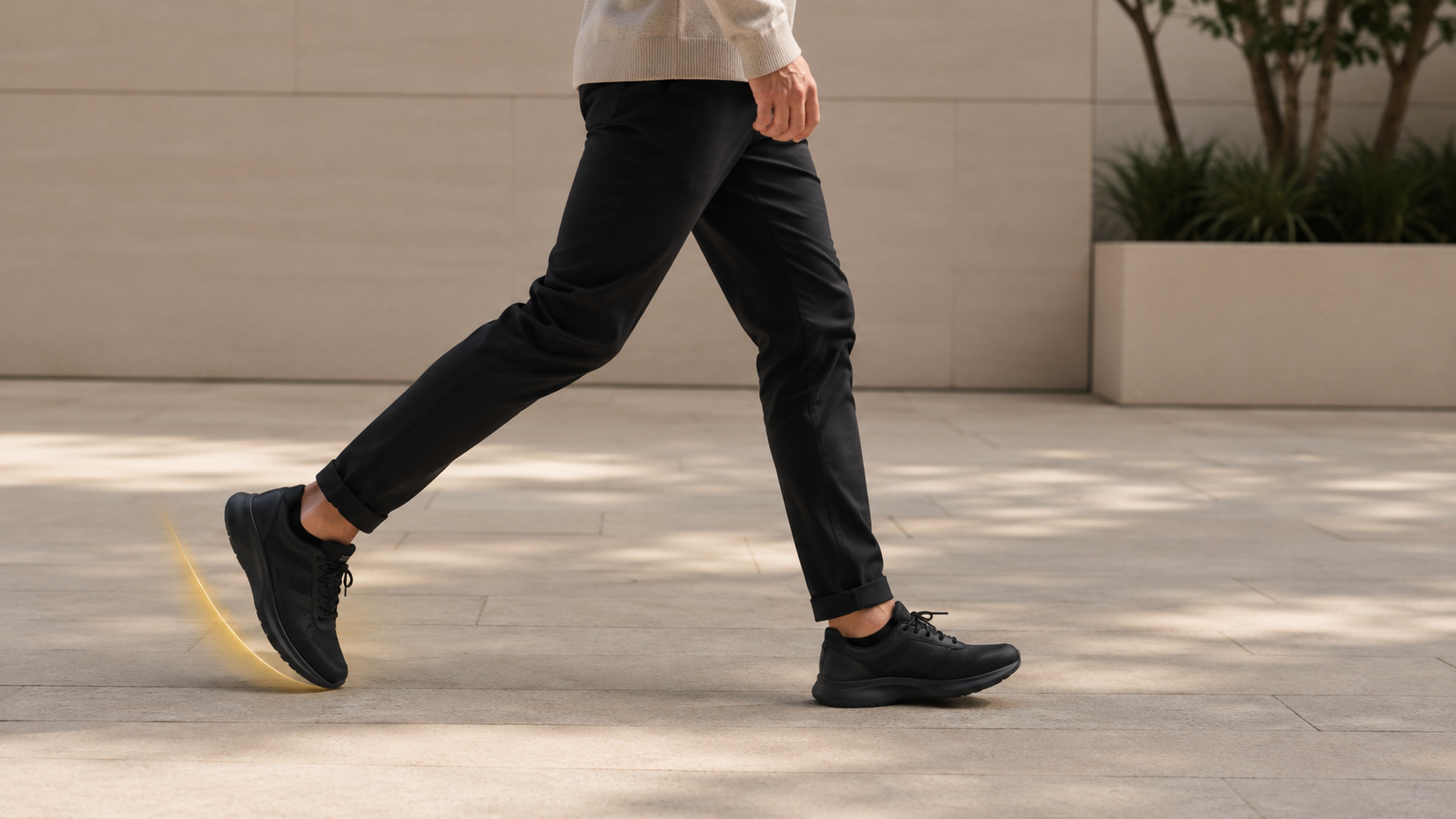
A proper walking stride should not feel like you are reaching far forward with the front leg. Instead, the back leg and hips should help push the body forward.
Think of the rear leg as the engine of your step. As it pushes off, the front leg can swing forward more naturally without overstriding.
Stride Cues
- Let the back leg push you forward.
- Avoid reaching too far ahead with the front foot.
- Keep steps smooth and comfortable.
- Let your hips rotate gently rather than staying stiff.
- Aim for rhythm, not exaggerated movement.
3. Let Your Arms Swing Naturally
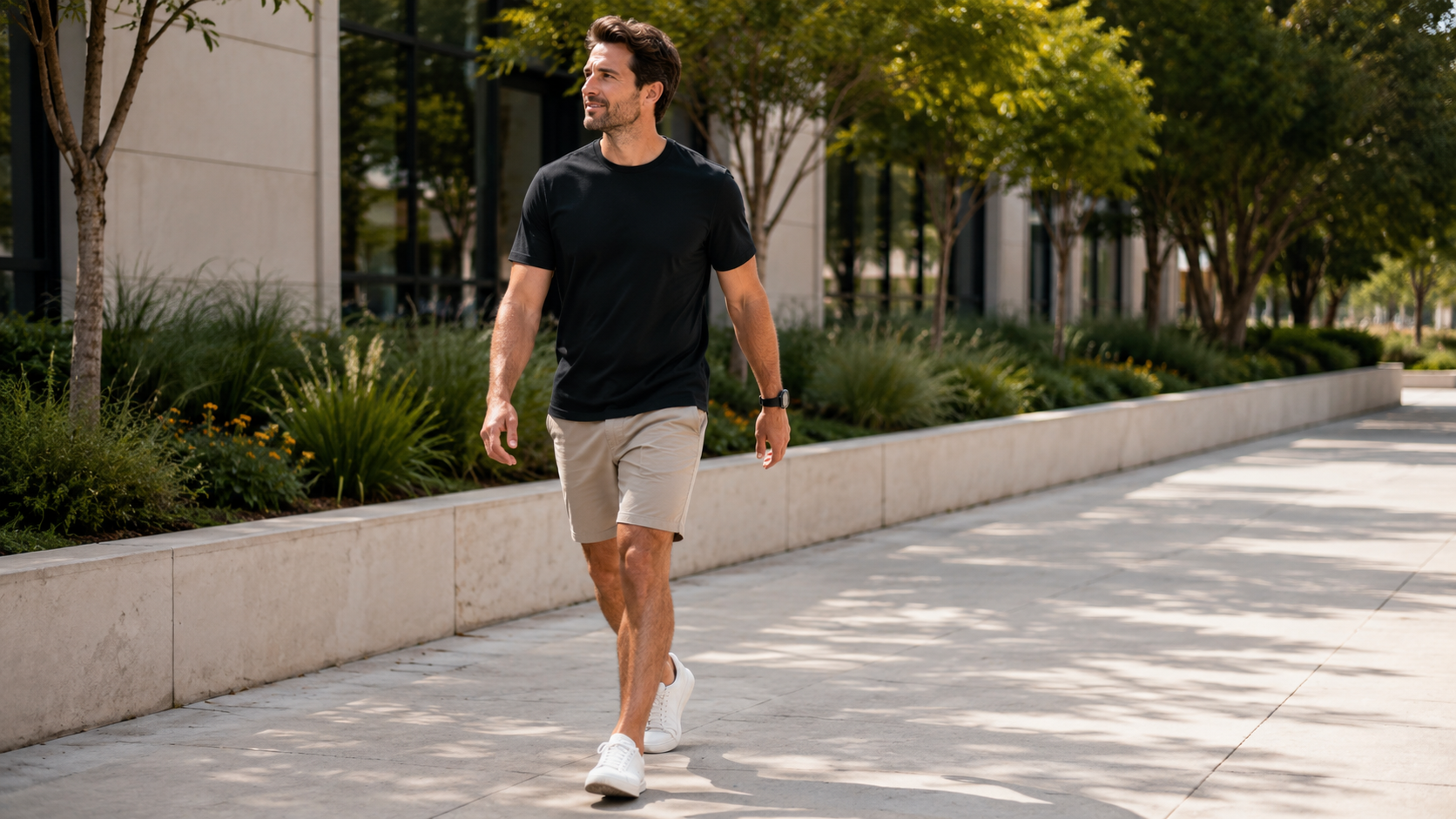
Your arms are not just along for the ride. A natural arm swing helps create momentum, encourages hip rotation, and makes walking feel more efficient.
Keep your arms relaxed and allow them to swing opposite your legs. When the right leg steps forward, the left arm naturally swings forward, and vice versa.
Arm Swing Cues
- Keep elbows softly bent.
- Let arms swing from the shoulders.
- Avoid clenching your fists.
- Do not hold your arms stiffly at your sides.
- Keep the motion relaxed and natural.
4. Avoid Leaning Forward
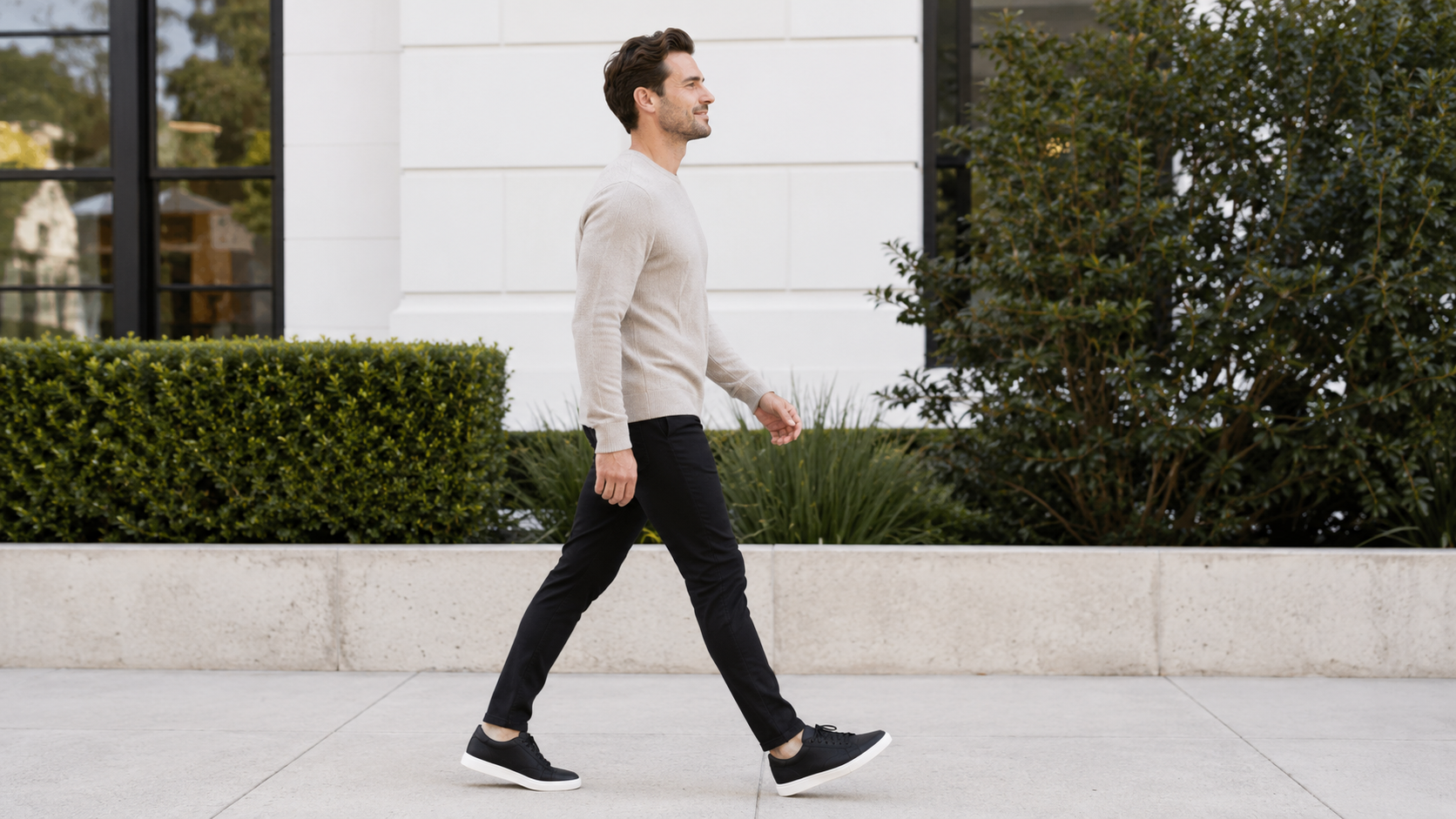
Leaning forward while walking can increase strain through the front of the body and make your stride feel less balanced. It may also encourage overstriding or shuffling.
Instead, keep your torso upright and let movement come from the hips and legs. Your body should travel forward smoothly without feeling like you are falling into each step.
Forward-Lean Check
- Your head should not lead far ahead of your chest.
- Your shoulders should not round forward.
- Your steps should not feel like catching yourself from falling.
- Your front foot should not land too far in front of your body.
- Your posture should feel tall but relaxed.
5. Wear Shoes That Support Your Stride
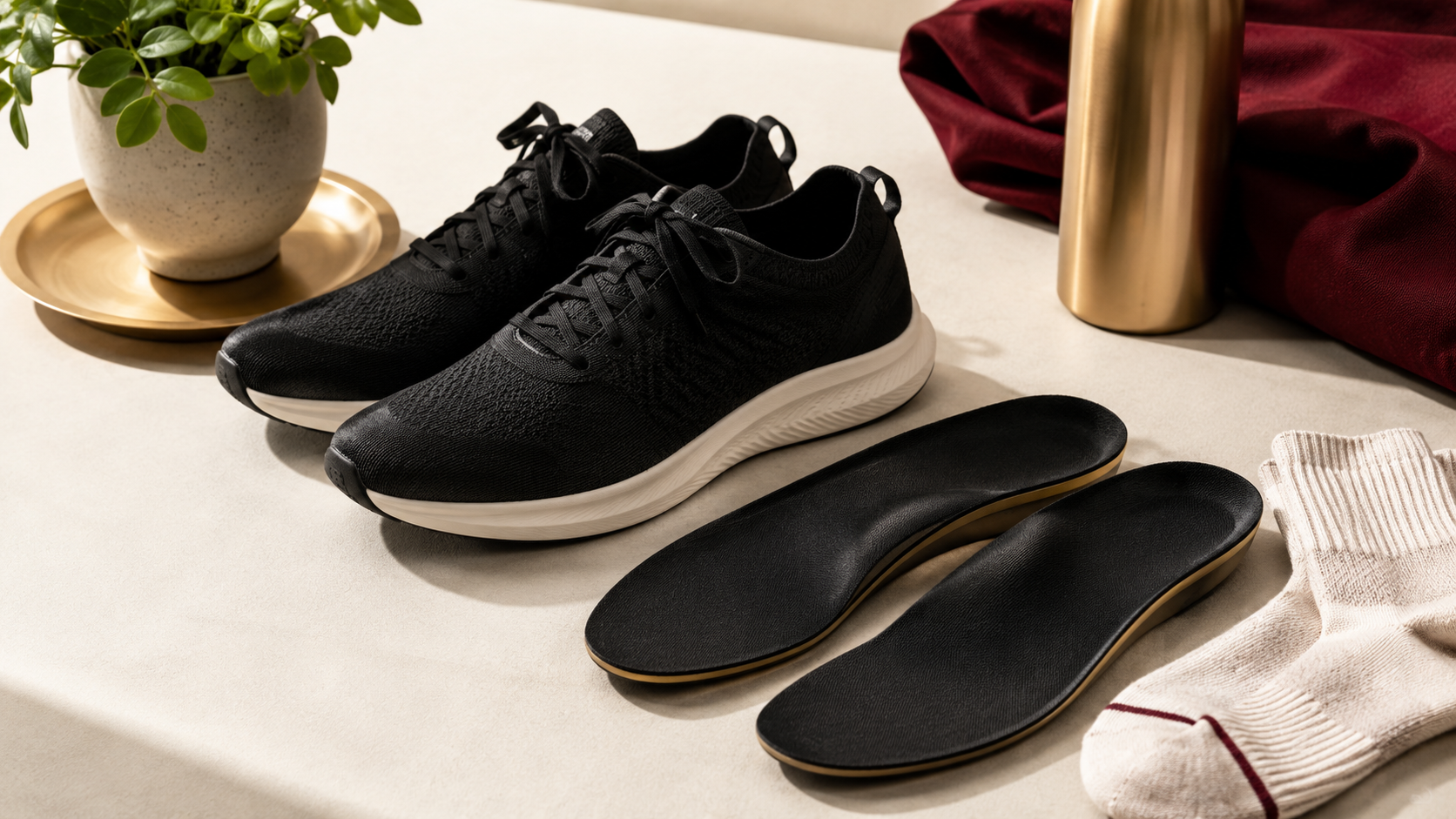
Footwear plays a major role in how comfortable your walking feels. Shoes that are too loose, too tight, too narrow, too worn out, or too unstable can make your feet work harder with every step.
The goal is to wear shoes that support your natural stride without crowding your toes or allowing the foot to slide around.
Footwear Cues
- Choose shoes that fit securely without squeezing.
- Make sure the toe box has enough room.
- Avoid worn-out midsoles and collapsed heels.
- Use shoes with enough cushioning for your walking surface.
- Consider supportive insoles if your shoes lack arch or heel support.
Daily Walking Checklist
Use this simple checklist the next time you walk. Do not overthink every step — just choose one or two cues at a time until they feel natural.
| Walking Cue | What to Do | What to Avoid |
|---|---|---|
| Head & Eyes | Look forward and keep your head level. | Looking down constantly or pushing the head forward. |
| Shoulders | Keep shoulders relaxed and open. | Rounding forward or tensing upward. |
| Hips | Let the hips move naturally with each step. | Keeping the body stiff and locked. |
| Back Leg | Use the back leg to push off smoothly. | Reaching too far forward with the front foot. |
| Arms | Let arms swing naturally opposite the legs. | Holding arms stiffly or forcing a big swing. |
| Footwear | Wear shoes that fit securely and support your stride. | Loose, tight, worn-out, or unstable shoes. |
Where Insoles Fit Into Better Walking
Proper walking starts with movement habits, but the surface under your foot matters too. If your shoes lack cushioning, arch support, or stability, your feet may feel more tired even when your posture is good.
A low-profile supportive insole can help improve daily walking comfort by adding heel cushioning and arch support inside compatible shoes.
Consider Insoles If
- Your shoes feel flat or unsupportive.
- Your heels feel tired after walking or standing.
- Your arches feel unsupported inside everyday shoes.
- Your shoes have removable factory insoles.
- You want extra support without switching to bulky footwear.
For fit help, see our Fit & Trim Guide and Size Guide.
Related Guides
These guides can help you connect walking comfort with foot support, heel pain, and daily footwear habits:
Make Daily Walking Feel More Supported
Better posture helps your stride. Better support helps every step. InsoleLux insoles are designed to add low-profile heel cushioning and arch support inside compatible everyday shoes.
FAQ
What is the proper way to walk?
Walk tall with relaxed shoulders, eyes forward, natural arm swing, and smooth push-off from the back leg. Avoid leaning forward or overstriding.
Should I swing my arms when walking?
Yes. A relaxed arm swing helps create natural momentum and supports hip rotation. It should feel easy, not forced.
Is leaning forward while walking bad?
Leaning forward can increase strain and make walking feel less balanced. A more upright posture usually supports smoother movement.
Should my heel strike first when walking?
Many people naturally land around the heel or midfoot and roll forward through the step. The key is smooth, comfortable contact rather than slamming the heel or overstriding.
Can bad walking posture cause foot pain?
Poor walking mechanics may contribute to extra strain in the feet, legs, hips, or back. Persistent pain should be evaluated by a professional.
Do insoles help with walking posture?
Insoles do not correct posture by themselves, but supportive insoles may help improve heel and arch comfort inside compatible shoes while you work on better walking habits.
When should I seek professional advice?
Seek help if walking causes pain, numbness, weakness, limping, swelling, or symptoms that worsen or do not improve with rest and basic support.
Final Take
Walking properly is not about forcing a perfect stride. It is about making each step feel tall, relaxed, balanced, and efficient.
Start with simple cues: look forward, relax your shoulders, avoid leaning forward, push off from the back leg, and let your arms swing naturally.
Then support the foundation. Proper shoes and low-profile insoles can help make daily walking feel more comfortable, especially if your current footwear lacks heel cushioning or arch support.
