

Guides
Why Do I Have Heel Pain When Walking?
Jun
Why Do I Have Heel Pain When Walking?
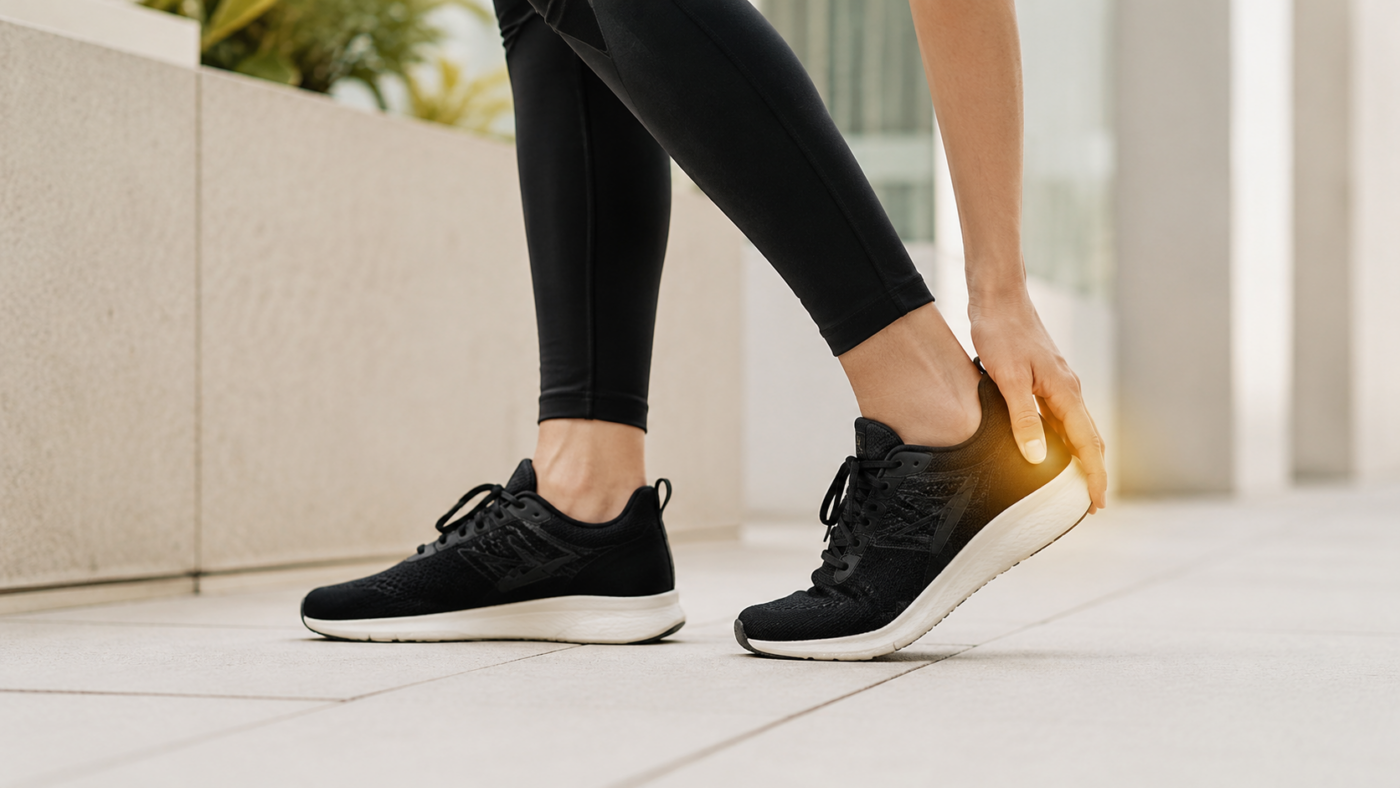
Heel pain while walking can make every step feel harder than it should. It may come from plantar fasciitis, heel spurs, impact injury, poor footwear, or strain that needs better support.
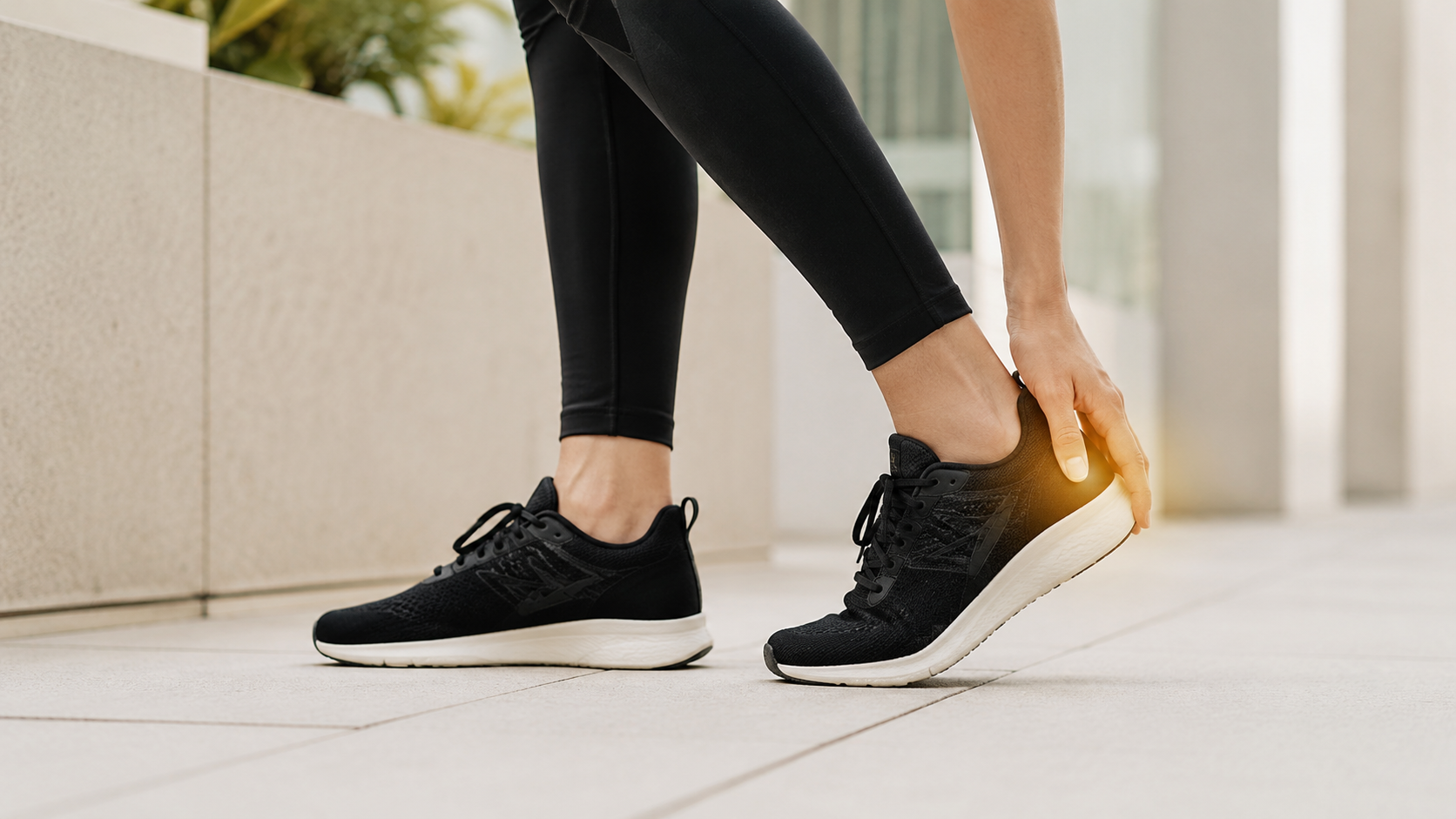
Heel pain when walking is common, but it should not be ignored. Your heel absorbs impact with every step, so even mild pain can change how you walk, how long you can stay active, and how comfortable your day feels.
In some cases, walking heel pain is linked with simple overload or footwear strain. In other cases, it may point to plantar fasciitis, heel spurs, bruising, fracture, or another condition that needs professional attention.
Quick Answer: Why Does My Heel Hurt When I Walk?
Heel pain while walking often happens because the heel and arch are absorbing repeated impact without enough recovery, cushioning, or support. Common causes include plantar fasciitis, heel spurs, deep bruising, impact injury, or a stress fracture.
If the pain is mild and recent, supportive shoes, insoles, stretching, rest, and ice may help. If pain persists, worsens, or makes walking difficult, you should get a professional diagnosis.
Each Step Loads the Heel
The heel absorbs body weight with every step, so irritation can quickly become noticeable while walking.
Cause Matters
Plantar fasciitis, heel spurs, bruises, fractures, and footwear strain can feel similar at first.
Support Can Help
Better shoes, orthotic-style insoles, stretching, and rest can help reduce daily walking strain.
Heel Pain When Walking: What It May Mean
There are many possible causes of heel pain, but the source article highlights three common reasons heel pain may show up while walking: plantar fasciitis, heel spurs, and impact injuries.
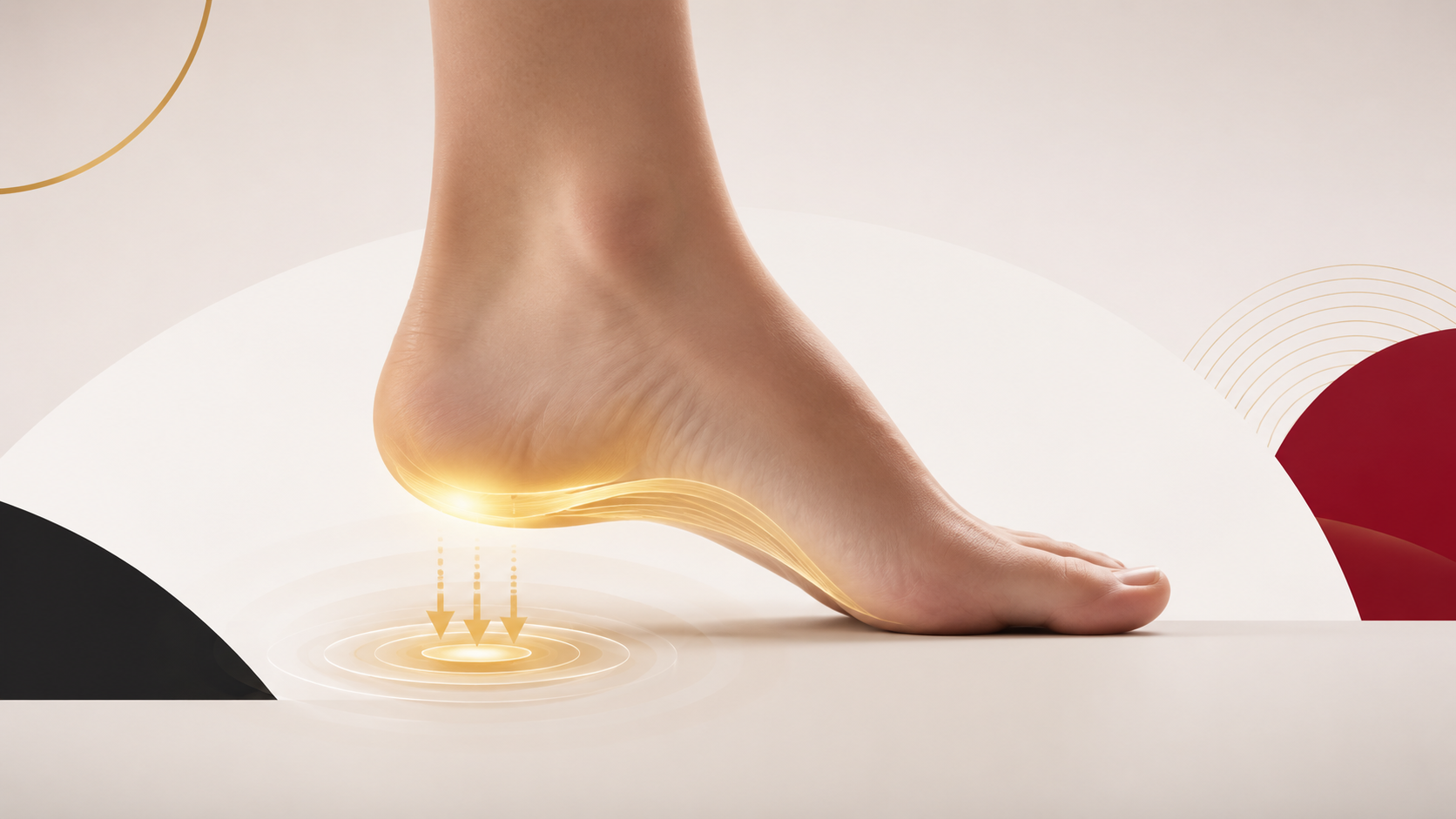
The location and pattern of the pain can give clues. Pain under the heel and arch may suggest plantar fascia strain. Pain associated with standing and walking may overlap with heel spurs. Deep pain after impact or injury may point toward bruising or fracture.
1. Plantar Fasciitis
Plantar fasciitis is one of the most common causes of heel pain. It involves irritation of the plantar fascia, the band of tissue that runs from the heel toward the arch and forefoot.
It often causes pain with the first few steps in the morning, but the pain can also continue or return while walking later in the day — especially after long standing, hard-floor walking, or activity overload.
How It May Feel
- Sharp pain under the heel or near the arch.
- Pain with first steps after sleep or rest.
- Discomfort that eases slightly with movement, then returns later.
- More pain when walking barefoot on hard floors.
- Tenderness around the bottom-inner heel area.
Supportive shoes and orthotics may help reduce tension through the plantar fascia while standing and walking, especially when the shoe has enough cushioning and structure.
2. Heel Spurs
Heel spurs are bony growths that can form on the heel bone. They may be associated with repeated strain, excessive running, ill-fitting shoes, and long-term irritation around the heel.
A heel spur does not always cause pain by itself. However, when it is linked with irritated tissue around the heel, pain may appear during walking or even while standing still.
How It May Feel
- Heel tenderness during walking or standing.
- A sharp or stabbing feeling around the bottom of the heel.
- Pain that overlaps with plantar fasciitis symptoms.
- Discomfort that feels worse in thin, hard, or unsupportive shoes.
3. Impact Injuries, Bruises, and Fractures
Heel pain can also come from impact. A hard landing, sudden increase in walking or running, stepping on a hard object, or repeated pounding on hard surfaces may bruise the heel or stress the bone.
A deep bruise may be temporary, but a heel fracture or stress fracture can cause more serious, longer-lasting pain and should be evaluated.
Signs This May Be More Than Simple Soreness
- Deep heel pain that worsens with weight-bearing.
- Pain after a fall, hard landing, or sudden impact.
- Swelling, bruising, warmth, or visible irritation.
- Limping or difficulty putting full weight on the foot.
- Pain that does not improve after rest.
- Pain at night or at rest.
How to Relieve Heel Pain When Walking
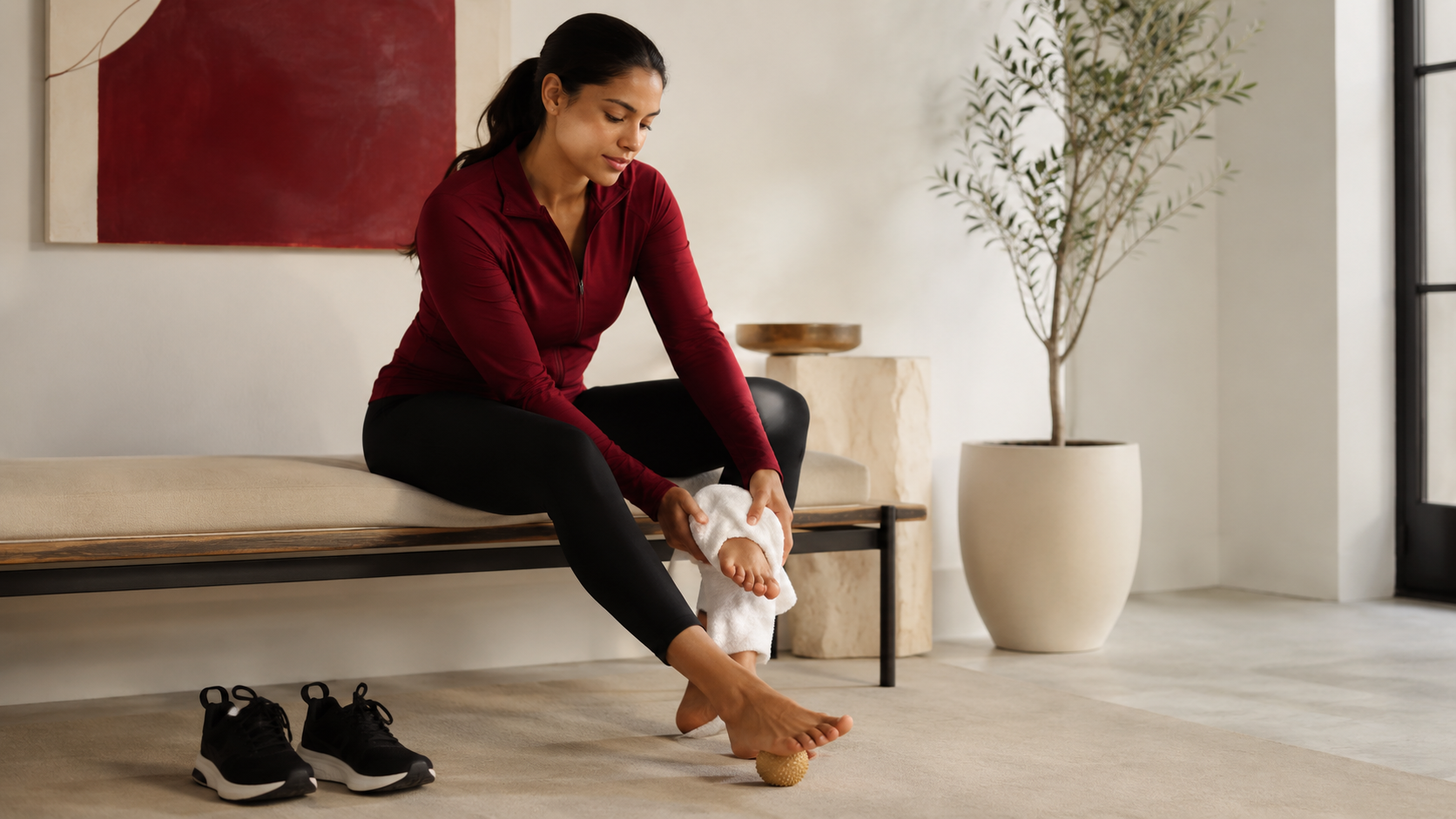
Relief depends on the cause, but the source article highlights several general steps that may help reduce heel pain when walking: better shoes, orthotic insoles, stretches and strengthening, rest, and over-the-counter pain medicine when appropriate.
Change Your Shoes
Choose shoes that fit well, cushion the heel, support the arch, and feel stable during walking. Avoid thin, hard, worn-out, or unstable shoes during flare-ups.
Use Orthotic-Style Insoles
Supportive insoles can add cushioning, arch support, and stability around the heel and midfoot. This may make walking and standing feel more comfortable inside compatible shoes.
Stretch and Strengthen
Gentle calf, Achilles, and plantar fascia stretches can reduce tension through the heel. Foot and ankle strengthening may improve support during walking and balance.
Rest Your Feet
If pain is linked with injury, overuse, or hard-surface activity, reduce painful walking and give the area time to calm down.
Use Pain Medicine Carefully
Over-the-counter pain medicine may reduce discomfort for some people, but it can also mask symptoms. Ask a clinician or pharmacist if it is safe for you, especially if you have other health conditions or take medication.
Shoes, Insoles, and Daily Walking Support
Walking comfort often starts with the shoe. If your footwear is too flat, too hard, too worn out, or too unstable, your heel may keep absorbing unnecessary strain with every step.
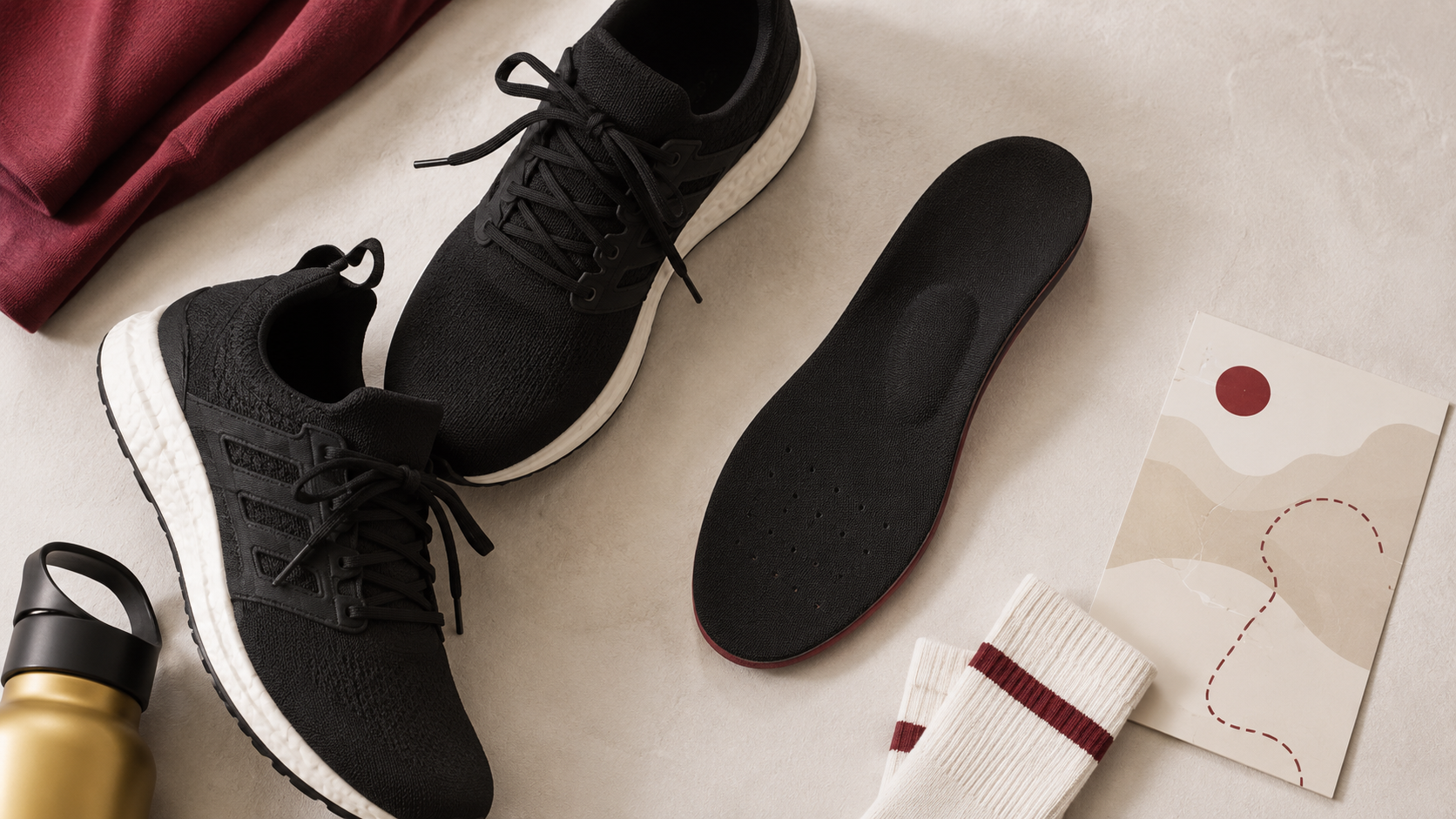
What to Look For
| Support Feature | Why It Helps | What to Avoid |
|---|---|---|
| Heel Cushioning | Helps soften impact as the heel strikes the ground. | Thin, hard, collapsed soles. |
| Arch Support | Helps support the foot’s natural shape and reduce strain through the plantar fascia area. | Very flat shoes with no structure. |
| Stable Midsole | Helps reduce wobble and excessive movement while walking. | Unstable, overly flexible, or worn-out shoes. |
| Secure Fit | Helps prevent sliding, toe gripping, and extra friction. | Shoes that are too loose, too tight, or badly sized. |
| Low-Profile Insole Fit | Adds support without overcrowding compatible everyday shoes. | Bulky inserts that lift the foot too high or cause pressure. |
When to See a Podiatrist or Clinician
If heel pain improves quickly with better shoes, rest, and gentle support, you may be dealing with mild strain. But if pain continues, gets worse, or changes how you walk, it is time to get professional advice.
A podiatrist or qualified clinician can help identify whether the pain is caused by plantar fasciitis, heel spur, impact injury, stress fracture, Achilles irritation, nerve symptoms, or another issue.
Make Every Step Feel More Supported
Heel pain when walking often gets worse when your shoes lack cushioning, stability, or arch support. InsoleLux insoles are designed to add low-profile heel and arch comfort inside compatible everyday shoes.
FAQ
Why does my heel hurt when I walk?
Heel pain when walking can come from plantar fasciitis, heel spurs, impact injury, bruising, stress fracture, footwear strain, Achilles irritation, or other causes. The pattern and location of pain matter.
Is heel pain when walking usually plantar fasciitis?
Plantar fasciitis is common, especially if pain is under the heel and worse with first steps after rest. But heel pain can have other causes, so persistent or unusual pain should be checked.
Can heel spurs cause pain while walking?
Heel spurs may be associated with heel pain, but they are not always the direct cause. Pain often also involves surrounding tissue irritation and plantar fascia strain.
Should I keep walking if my heel hurts?
Gentle walking may be okay if symptoms are mild and not worsening. Stop or reduce activity if pain increases, causes limping, or feels deep, sharp, or injury-related.
Do insoles help heel pain when walking?
Supportive insoles may help improve heel cushioning, arch support, and stability inside compatible shoes, which can make walking feel more comfortable for some people.
What shoes are best for heel pain when walking?
Look for shoes with heel cushioning, stable midsoles, secure fit, enough internal space, and supportive structure. Avoid thin, hard, worn-out, or unstable shoes during flare-ups.
When should I see a podiatrist?
Seek care if pain lasts more than a few weeks, worsens, affects walking, follows injury, includes swelling or bruising, causes numbness or tingling, or hurts at rest or night.
Final Take
Heel pain when walking can be frustrating because every step loads the same sensitive area. The cause may be plantar fasciitis, heel spurs, impact injury, footwear strain, or another condition.
Start with practical support: better shoes, supportive insoles, gentle stretches, rest from irritating activity, and careful use of pain relief when appropriate.
If pain does not improve or walking becomes harder, get professional advice. The right diagnosis is the fastest way to choose the right support plan.

Pingback: How to Walk Properly: Posture & Foot Support Tips | InsoleLux