
08
Jun
Jun
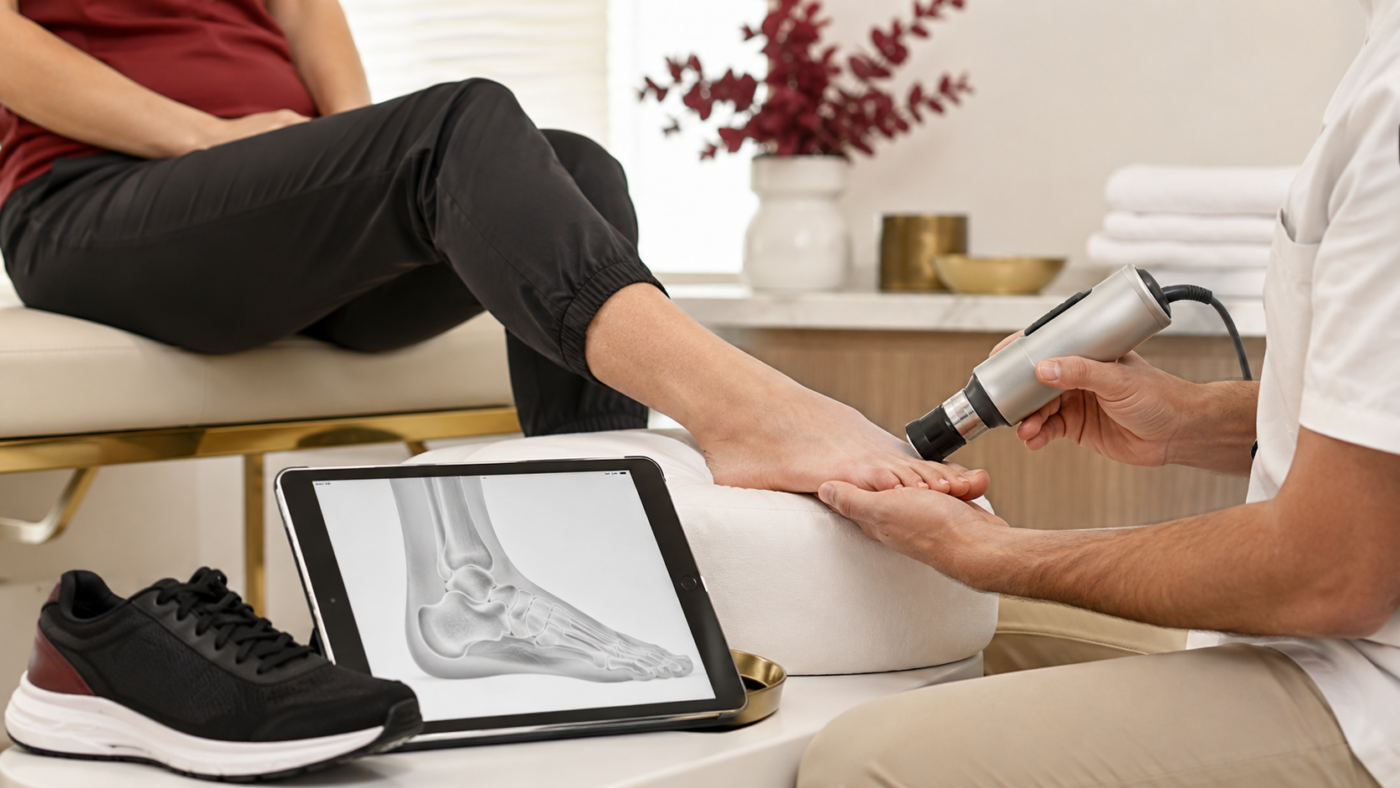
Shock wave therapy may help some cases of chronic plantar fasciitis, but it is usually considered after conservative options like stretching, ice, footwear changes, and insoles.

Shock wave therapy may help some cases of chronic plantar fasciitis, but it is usually considered after conservative options like stretching, ice, footwear changes, and insoles.
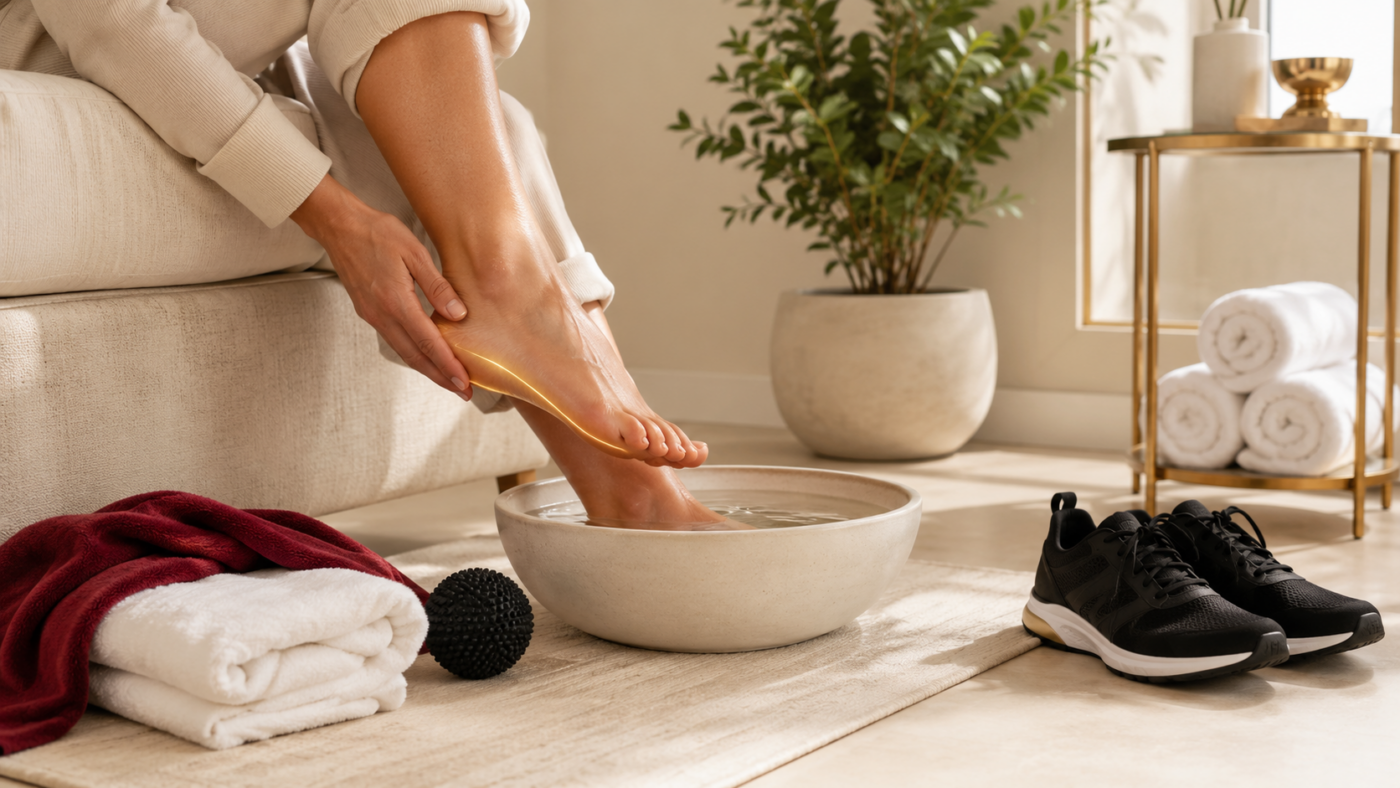
Plantar fasciitis home remedies may help calm heel and arch discomfort. Learn practical options like ice, stretching, massage, foot soaking, and supportive insoles.
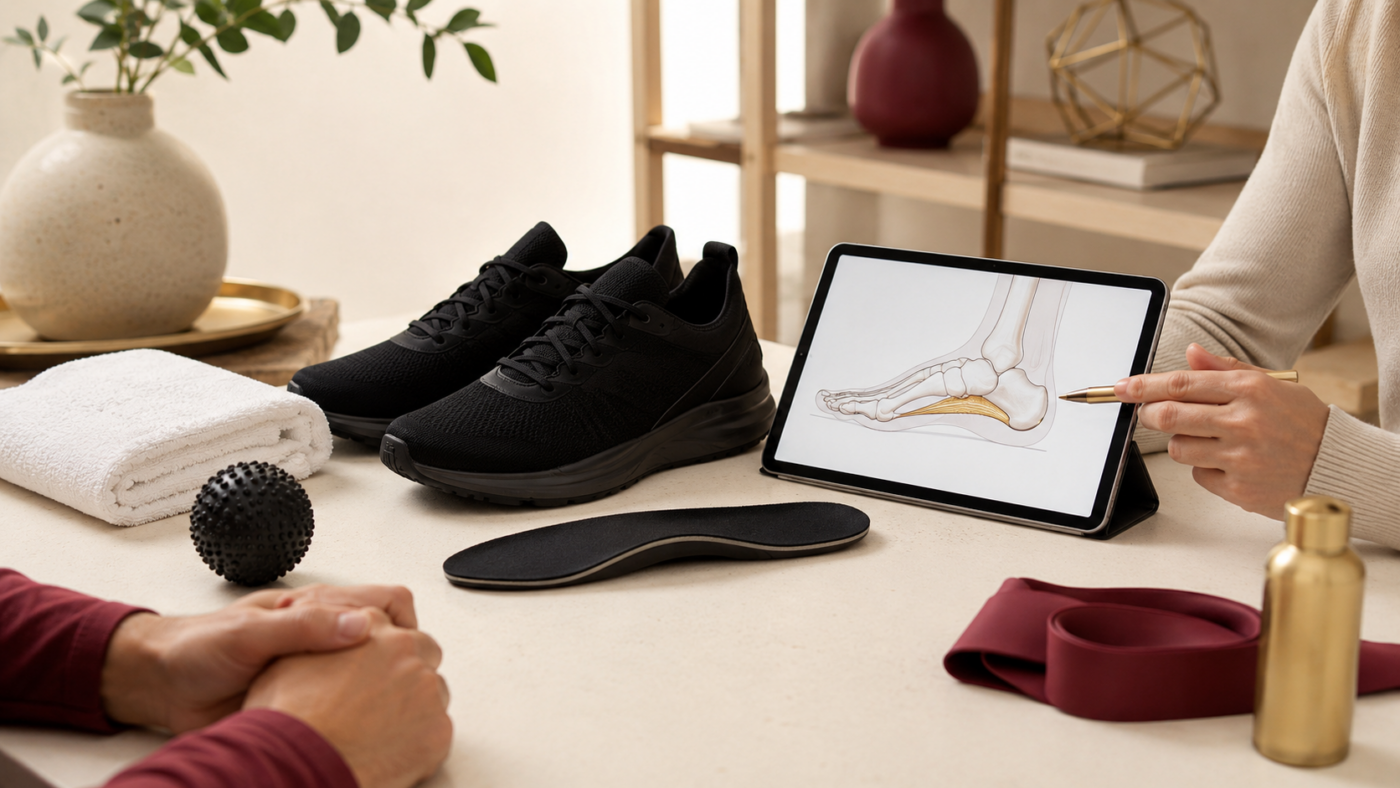
Plantar fasciitis treatment usually starts with conservative support: better shoes, insoles, stretching, home care, rest, and professional guidance when symptoms persist.

Plantar fasciitis may go away on its own in mild cases, but recovery often depends on how well you reduce strain, stretch, support your shoes, and respond early.
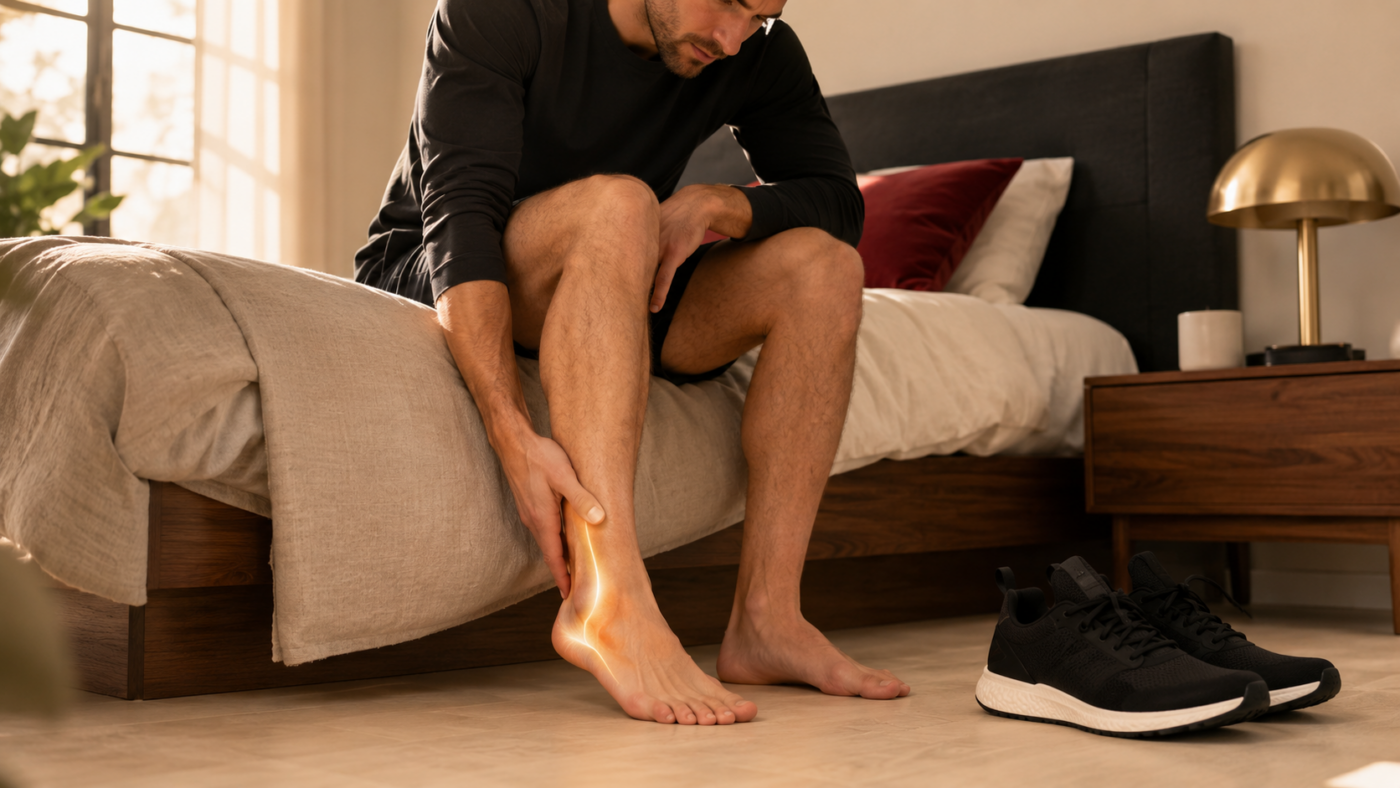
Plantar fasciitis can affect the heel and arch, making walking and daily activity uncomfortable. Learn the symptoms, causes, risk factors, and when to seek professional advice.

Plantar fasciitis surgery is usually a last-resort option after conservative care fails. Learn what it involves, possible risks, recovery expectations, and alternatives to discuss with a clinician.
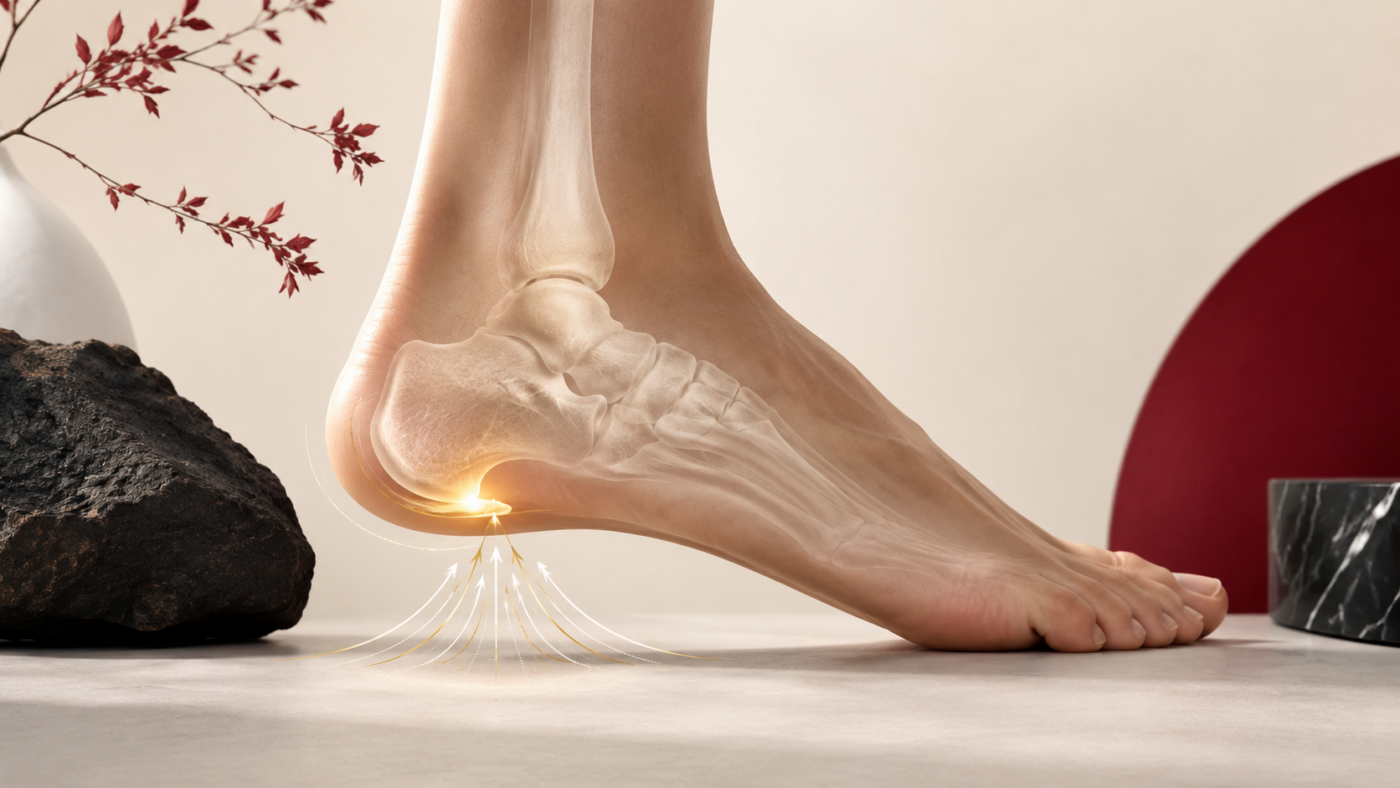
A heel spur is a bony growth on the heel bone, but it does not always cause pain. Learn the symptoms, causes, treatment options, and how to support daily heel comfort.
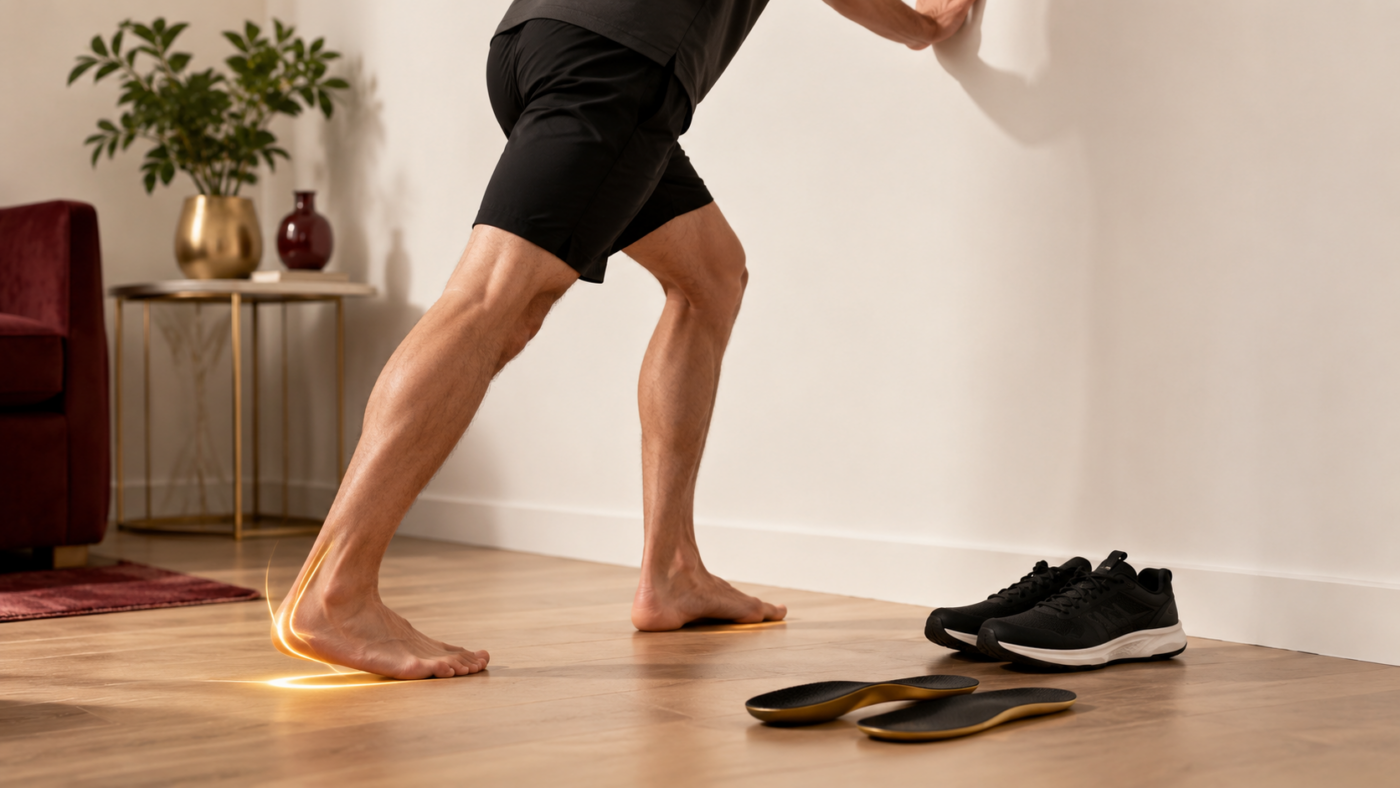
Heel spur exercises may help reduce tension, improve mobility, and support heel comfort. Learn 7 gentle moves plus when to stop and seek professional advice.
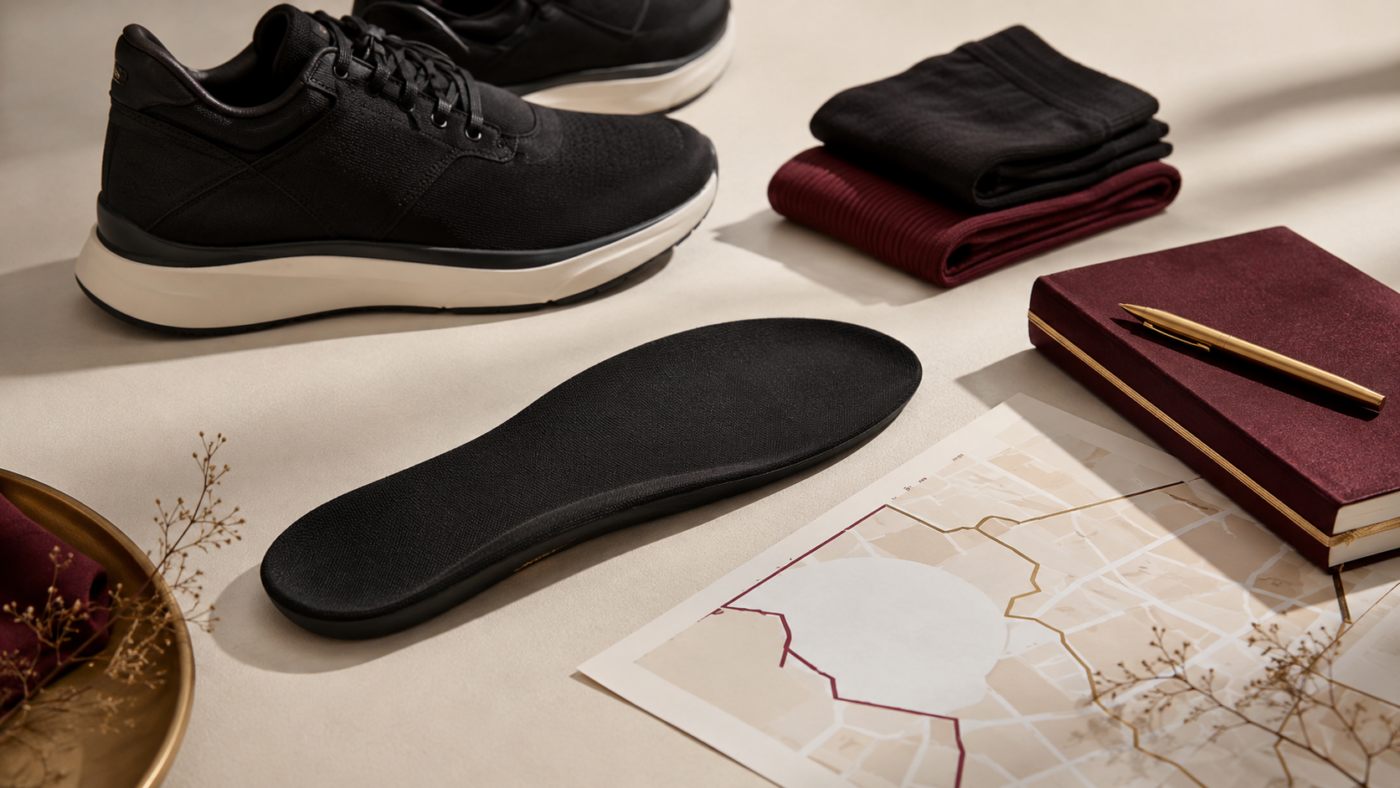
Heel pain is not always plantar fasciitis. Learn how a heel bone stress fracture can feel, what causes it, when to seek care, and why diagnosis matters before using support products.

Plantar fasciitis can often improve with conservative care, but recovery takes consistency. Learn what “cured” really means, why symptoms return, and how to support your feet.