

Guides
How to Correct Overpronation: 5 Practical Steps for Better Foot Control
Jun
How to Correct Overpronation: 5 Practical Steps for Better Foot Control
Overpronation does not always mean something is “wrong” with your feet. The goal is not to stop natural foot movement — it is to improve control, comfort, and support where your feet need it most.
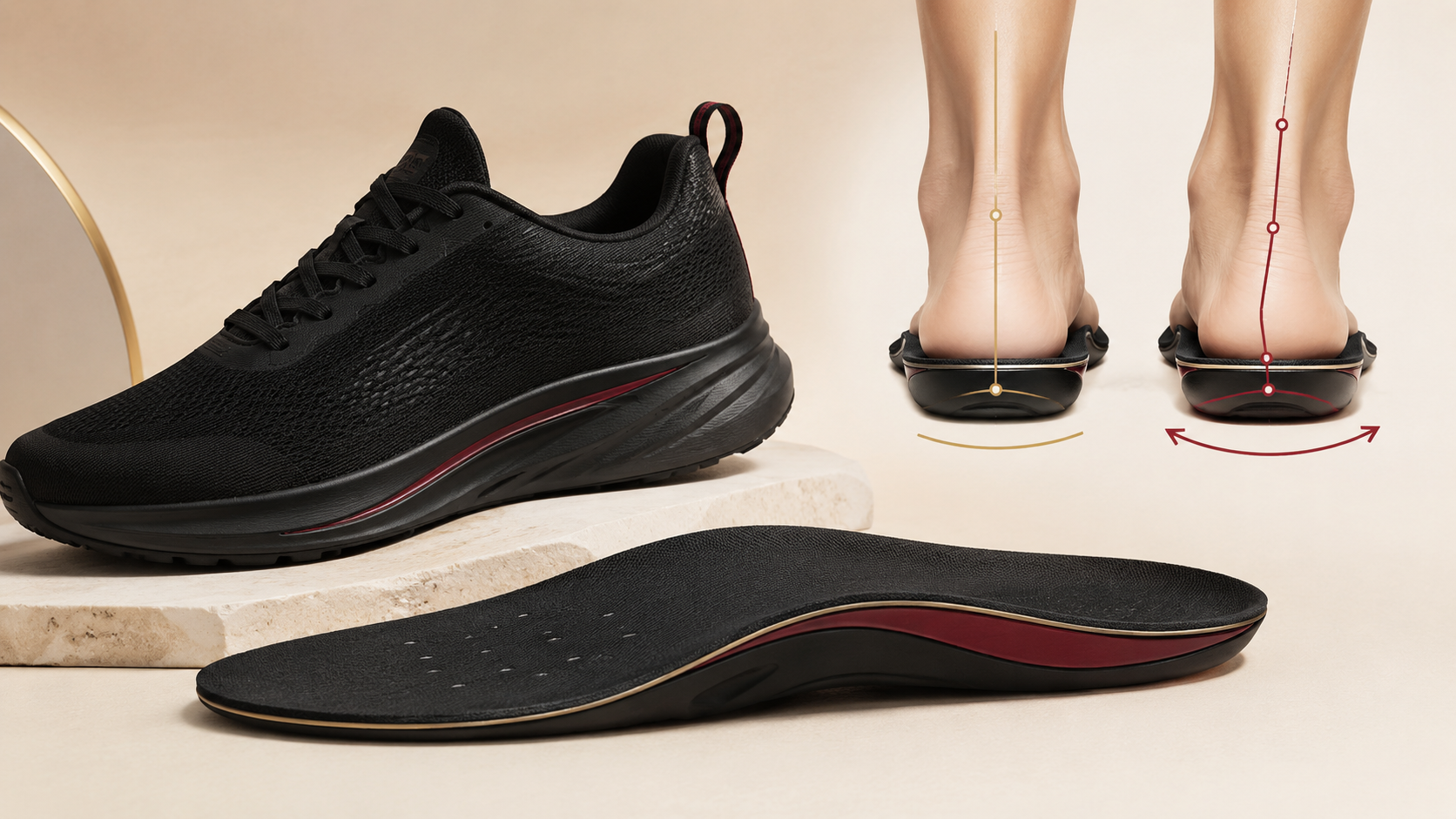
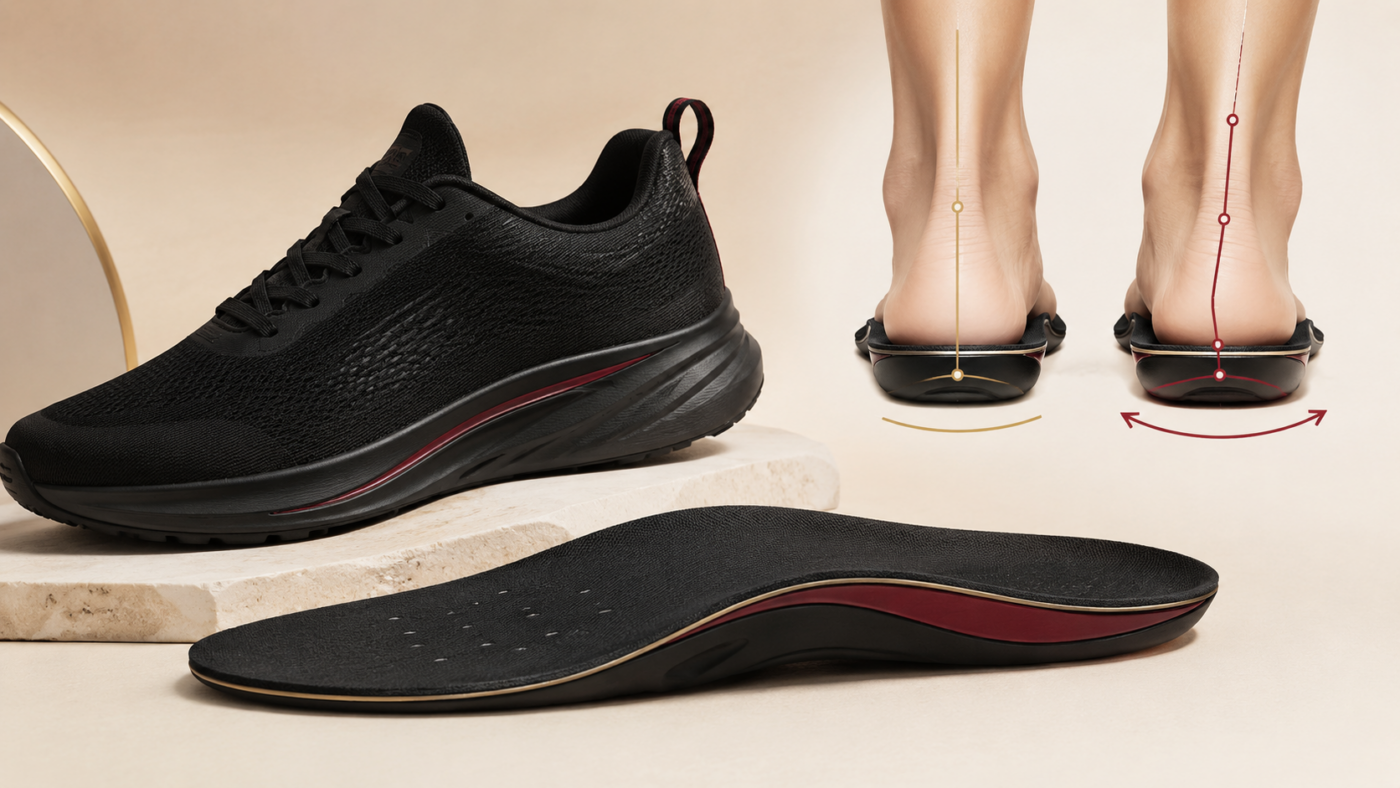
If your feet roll inward when you walk or run, you may have heard the term overpronation. It is often linked with flat feet, arch fatigue, heel discomfort, ankle instability, or shoes wearing down unevenly on the inner side.
But here is the important part: pronation itself is natural. Your foot is supposed to roll slightly inward to help absorb impact. Overpronation becomes more relevant when that inward motion is excessive, poorly controlled, uncomfortable, or paired with fatigue during daily walking, standing, or running.
Quick Answer: Can Overpronation Be Corrected?
In many cases, overpronation can be managed and improved with a combination of foot strengthening, better shoe fit, arch support, gradual activity changes, and improved lower-body control.
The best approach is usually not one single fix. Supportive insoles can help your feet feel more stable inside your shoes, while strengthening and movement work help your body build better long-term control.
Support Helps Now
Arch support insoles can help improve comfort and alignment inside compatible shoes, especially if your feet feel tired during long days.
Strength Builds Control
Exercises for the foot, ankle, calf, and hip can help improve how your lower body manages load while walking or running.
What Overpronation Actually Means
Pronation is the natural inward rolling motion of the foot after it contacts the ground. It helps absorb impact and adapt to the surface beneath you.
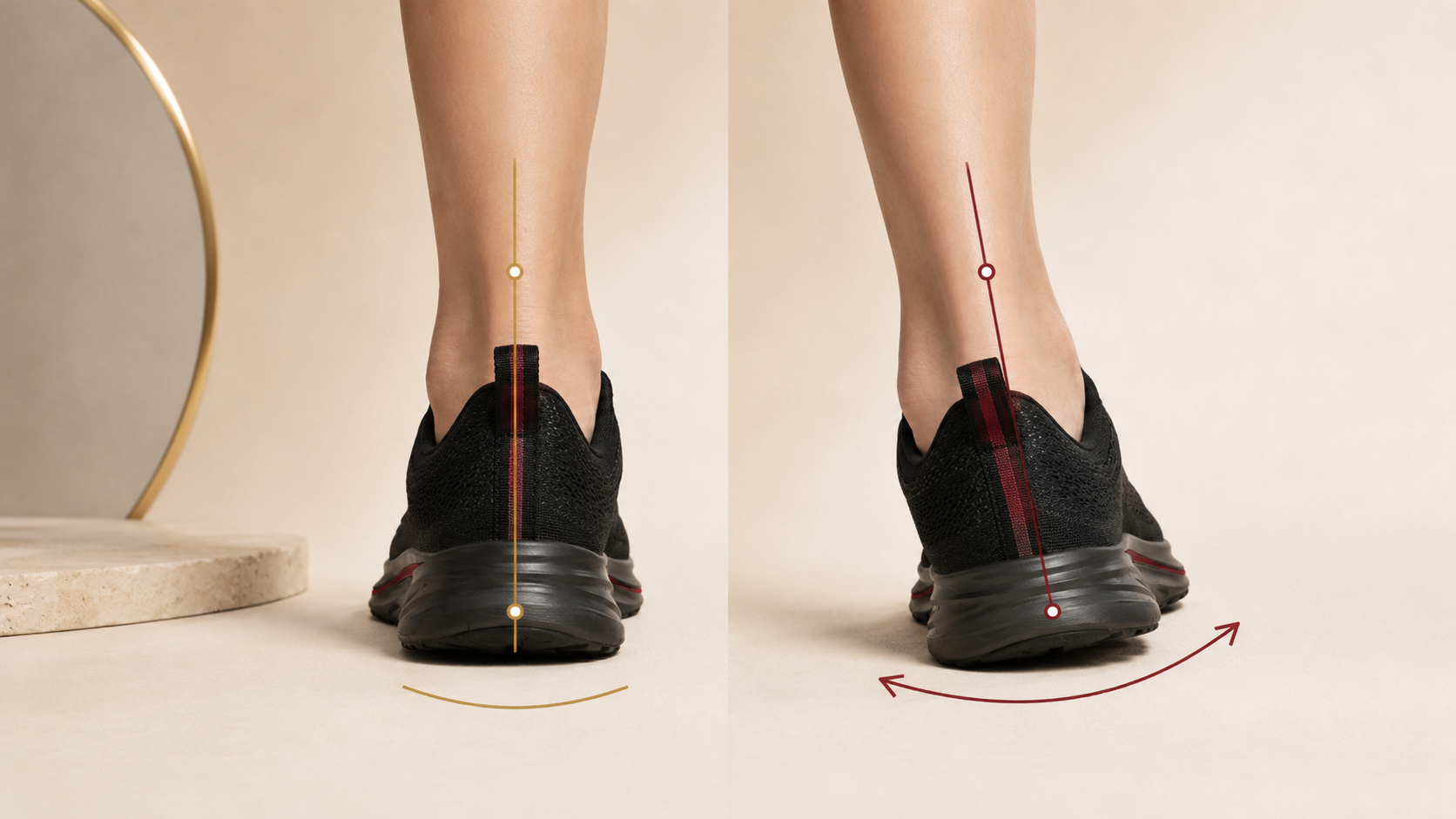
Overpronation usually refers to a situation where the foot rolls inward too much, too quickly, or stays in that inward position for too long. This may cause the arch to feel unsupported, the ankle to lean inward, or the shoe to wear more heavily on the inner edge.
Some people naturally have lower arches and never experience discomfort. Others may feel foot fatigue, heel pressure, arch strain, or ankle instability after long periods of standing or training. That is why the best solution depends on your comfort, activity level, footwear, and movement pattern.
Step 1: Check Whether You Are Actually Overpronating
Before changing your shoes or buying support, start with simple observation. Overpronation can look different from person to person, and not every flat-looking foot needs correction.
Look at Your Shoe Wear
Check the bottom of your everyday shoes. Heavy wear on the inner heel or inner forefoot can suggest that your foot is rolling inward more than average.
Watch Your Ankles in a Mirror
Stand naturally in bare feet. If your ankles visibly lean inward and your arches collapse toward the floor, you may be seeing a pronated foot position.
Notice When Fatigue Appears
Overpronation is often more noticeable when your feet are tired. Pay attention to whether your arches, ankles, knees, or lower legs feel less stable after long walks, standing shifts, or runs.
Step 2: Build Foot and Arch Control
Your feet contain small stabilizing muscles that help support the arch and control motion. When these muscles fatigue, the arch may feel less stable and the foot may roll inward more easily.
Simple exercises can help improve awareness and control. Start slowly and focus on quality rather than intensity.
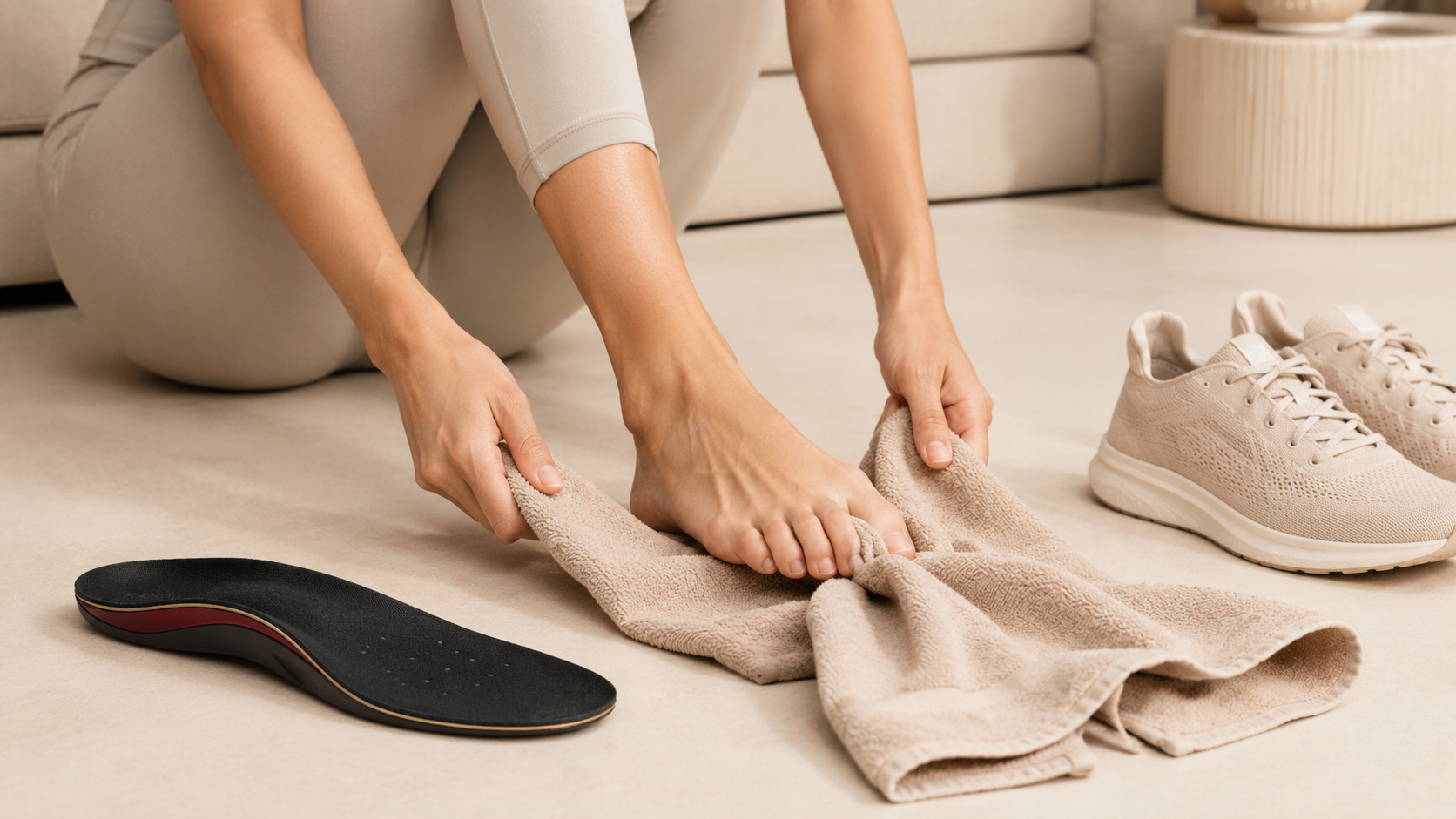
Simple Foot Control Exercises
- Short foot exercise: Gently draw the ball of your foot toward your heel without curling your toes.
- Towel curls: Use your toes to pull a small towel toward you while seated.
- Toe spreading: Practice spreading your toes naturally to improve awareness and balance.
- Single-leg balance: Stand on one foot while keeping the arch controlled and the knee aligned.
- Calf raises: Rise onto your toes slowly, then lower with control.
These movements are not about forcing your arch into a perfect shape. They are about helping your foot become more responsive under load.
Step 3: Strengthen Ankles, Calves, and Hips
Overpronation is not always just a foot issue. The way your ankle, knee, hip, and glutes control movement can influence how your foot lands and rolls.
For example, if your hip collapses inward during walking or running, the knee may drift inward too. That can encourage the lower leg and foot to follow the same pattern.
Areas Worth Training
| Area | Why It Matters | Practical Exercises |
|---|---|---|
| Calves | Help control ankle motion and push-off during walking. | Calf raises, heel drops, wall calf stretches. |
| Ankles | Improve stability and range of motion around the foot. | Ankle circles, banded ankle work, balance drills. |
| Glutes | Support hip and knee alignment during movement. | Glute bridges, side steps, clamshells. |
| Core | Helps maintain better posture and lower-body control. | Dead bugs, planks, controlled carries. |
A balanced lower body can reduce the feeling that your feet are doing all the work. This is especially useful for runners, gym training, long walks, or jobs that require standing for hours.
Step 4: Choose Better Shoes and Arch Support
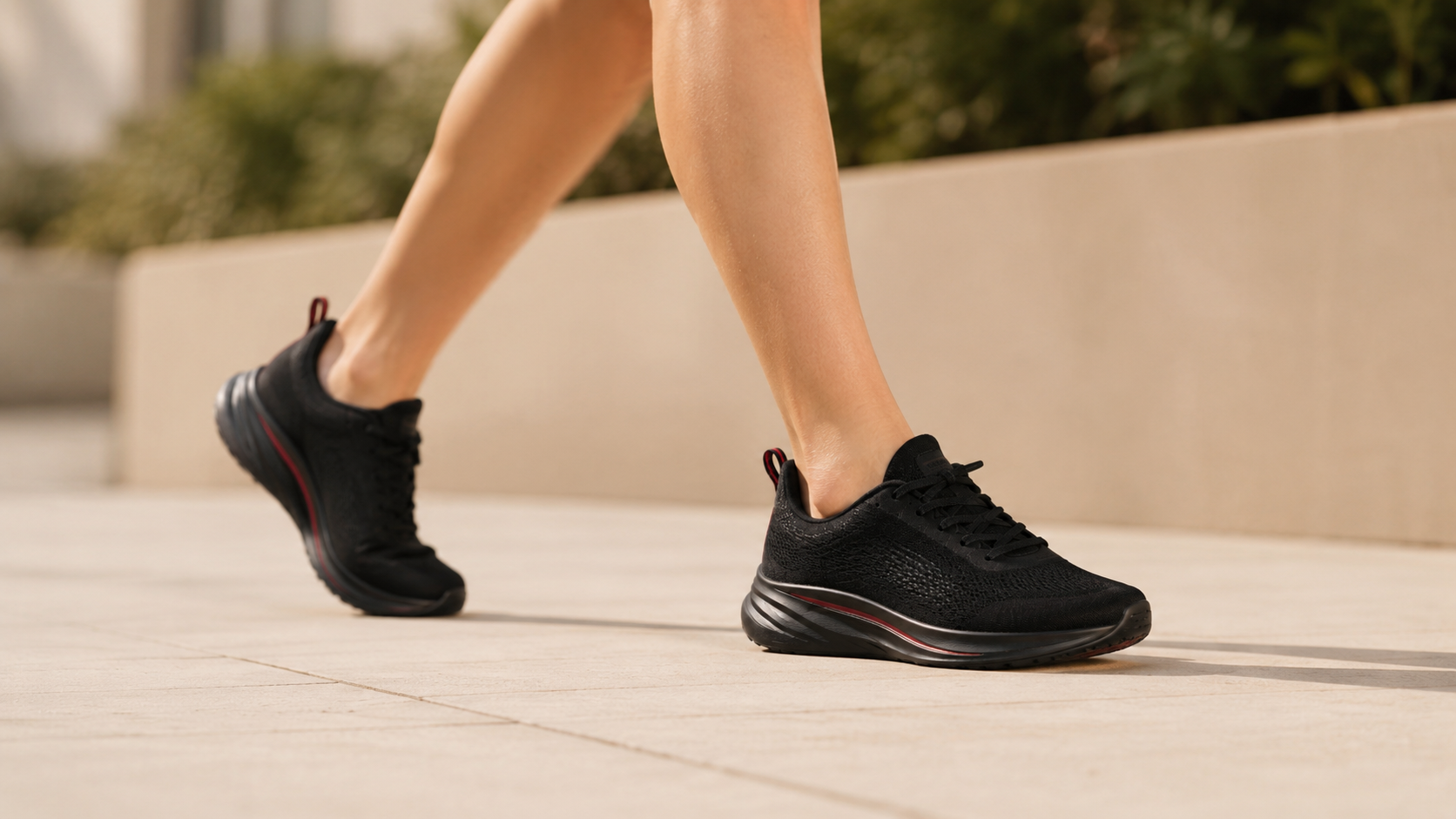
Supportive footwear can make a noticeable difference in daily comfort. Look for shoes that give your heel a secure hold, enough midfoot support, and enough internal space for your foot to sit naturally.
If your current shoes feel too soft, unstable, or worn down on the inside edge, your feet may have to work harder to control each step.
What to Look For
- Secure heel fit: Your heel should not slide around inside the shoe.
- Enough toe room: Your toes should not feel compressed or curled.
- Stable midsole: Avoid shoes that collapse easily inward when pressed.
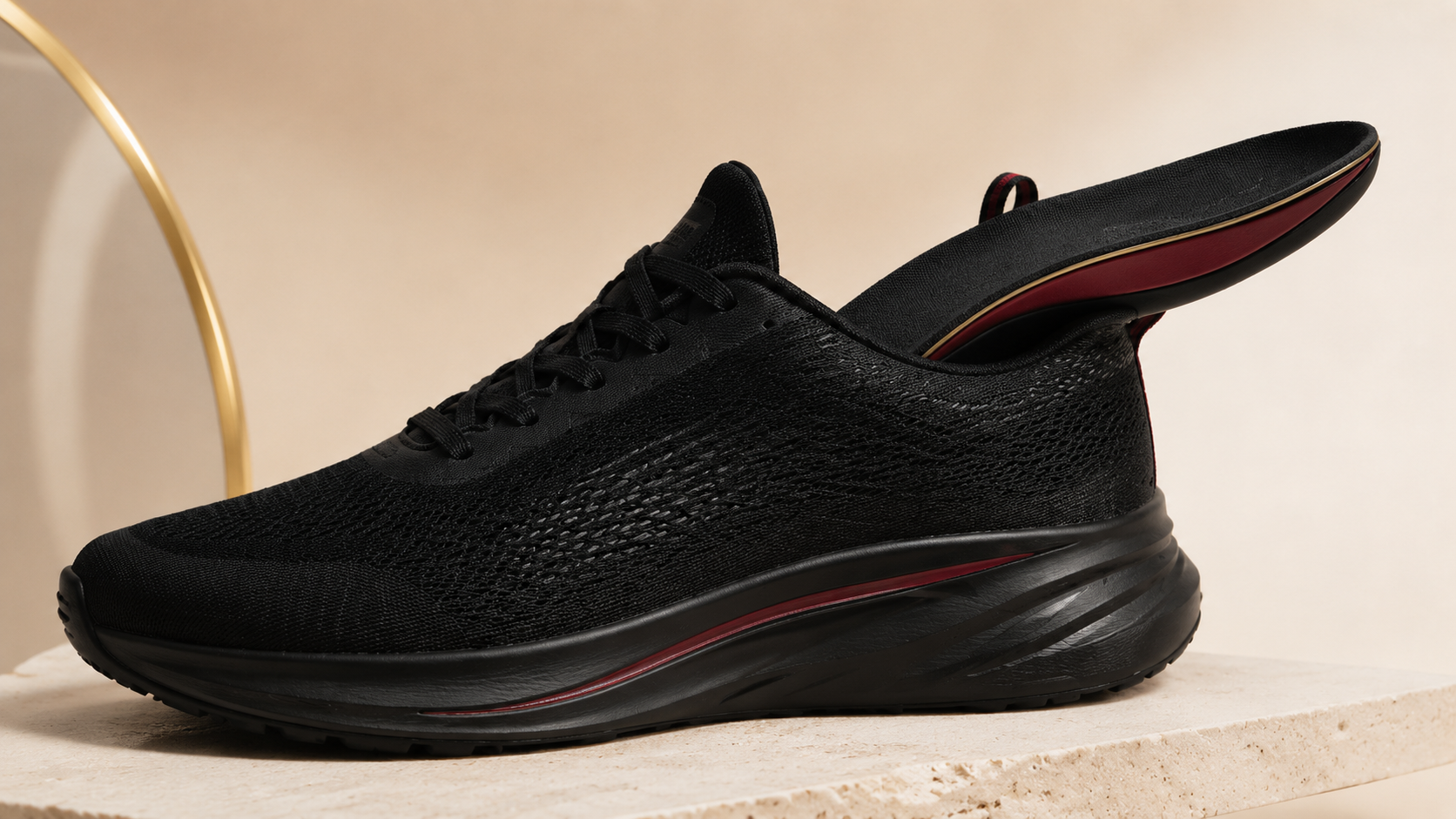
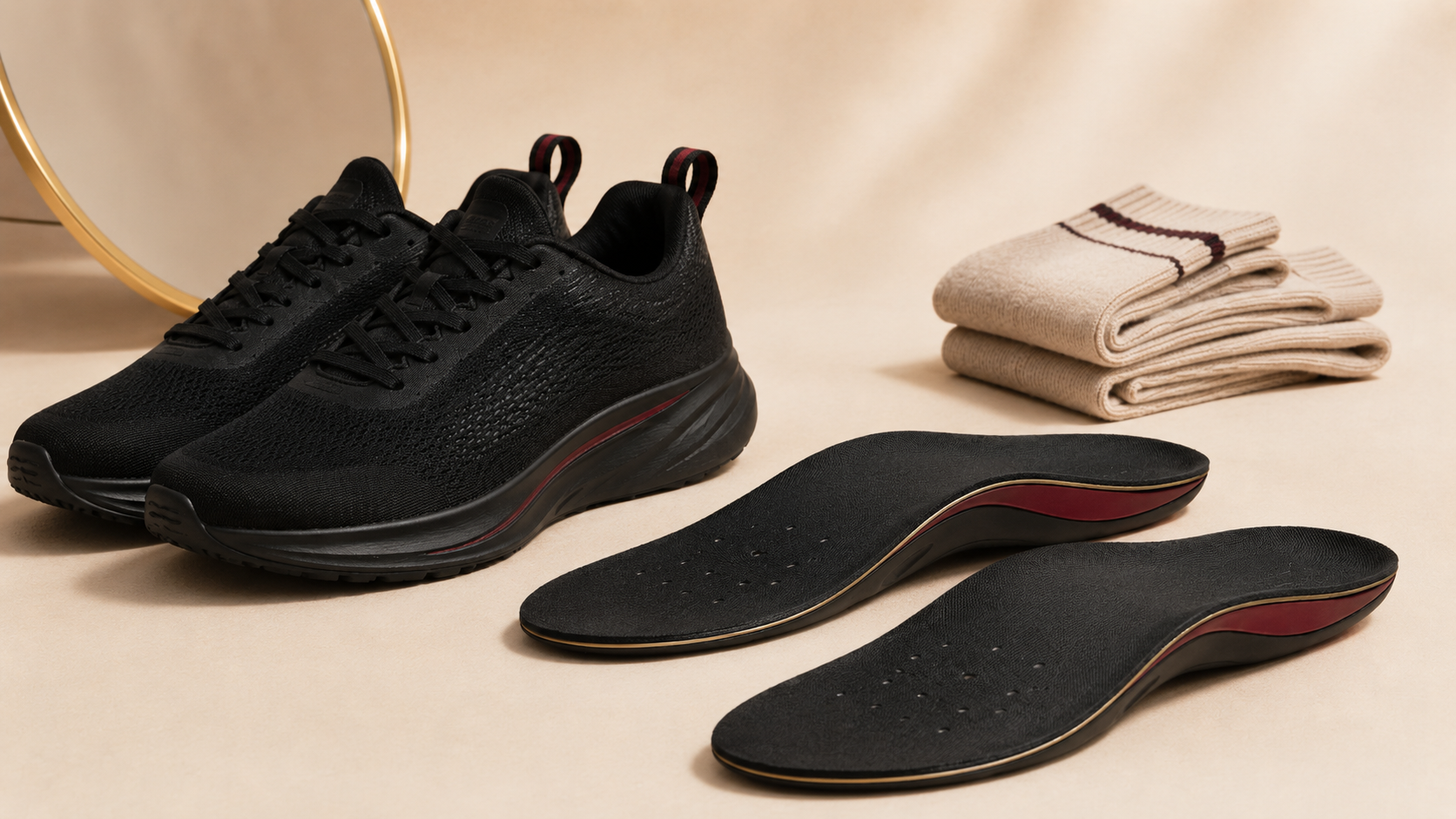
- Removable stock insole: This makes it easier to add supportive insoles without crowding the shoe.
- Arch support: A supportive insole can help reduce the feeling of arch collapse and improve underfoot comfort.
Step 5: Adjust Walking or Running Gradually
If overpronation becomes more noticeable during running or long walks, your stride habits may play a role. Overstriding, sudden mileage increases, and fatigue can all make foot control harder.
Practical Movement Tips
- Shorten your stride slightly: This can reduce heavy impact in front of the body.
- Increase gradually: Avoid sudden jumps in walking distance, running mileage, or training intensity.
- Prioritize comfort: A form change that creates new pain is not the right change.
- Rotate shoes: Worn-out shoes can make support and alignment less reliable.
- Use support when needed: Insoles can be helpful during longer days, higher activity, or when your feet fatigue quickly.
The goal is not to walk or run like someone else. The goal is to find a stable, comfortable pattern that works for your body and your shoes.
Overpronation Support: What Works Best?
The most practical approach usually combines support and strength. Insoles can help your feet feel more stable right away, while exercises help build better control over time.
| Solution | Best For | Limitations |
|---|---|---|
| Arch Support Insoles | Daily comfort, shoe stability, arch fatigue, long standing days. | They support the foot but do not replace strength work. |
| Foot Exercises | Improving control, awareness, and arch responsiveness. | Requires consistency and gradual progress. |
| Supportive Shoes | Better heel hold, stable base, improved everyday fit. | Poor fit can still cause discomfort even in supportive shoes. |
| Gait Adjustments | Runners, walkers, and active people managing repetitive load. | Should be gradual; forcing changes too quickly can create new issues. |
Support Your Feet Inside the Shoes You Already Wear
If your feet feel tired, unstable, or unsupported during long days, the right insole can help improve comfort inside compatible shoes. Explore InsoleLux insoles designed for everyday support, low-profile fit, and confident movement.
FAQ
Is overpronation always bad?
No. Pronation is a natural part of walking and running. Overpronation becomes more relevant when the inward rolling is excessive, uncomfortable, poorly controlled, or linked with fatigue.
Can insoles fix overpronation?
Insoles can help support the arch and improve comfort inside compatible shoes, but they should not be viewed as a complete fix by themselves. The best results often come from combining support with strength and better shoe fit.
What type of shoes are best for overpronation?
Look for shoes with a secure heel, stable midsole, enough toe room, and enough internal space for your foot or insole. Shoes that are too soft, too narrow, or heavily worn down may feel less supportive.
Can flat feet cause overpronation?
Flat or low arches can be associated with overpronation, but not everyone with flat feet has pain or needs correction. Comfort, control, and activity level matter more than arch shape alone.
How long does it take to improve overpronation?
It depends on your starting point, activity level, footwear, and consistency. Supportive insoles may improve comfort quickly, while strength and movement control usually take weeks or months of steady practice.
Final Take
Overpronation is not simply a foot shape problem. It is often a mix of foot control, arch support, shoe fit, lower-body strength, and activity load.
Start with the basics: check your shoes, build foot strength, support your arches when needed, and make gradual changes to your walking or running routine. A practical, balanced approach is usually more effective than chasing one perfect fix.
For everyday comfort, supportive insoles can be a smart first step — especially when your feet feel tired, unstable, or unsupported inside the shoes you already wear.
