

Guides
How Is Plantar Fasciitis Diagnosed? Symptoms, Exams, X-Rays & MRI
Jun
How Is Plantar Fasciitis Diagnosed? Symptoms, Exams, X-Rays & MRI
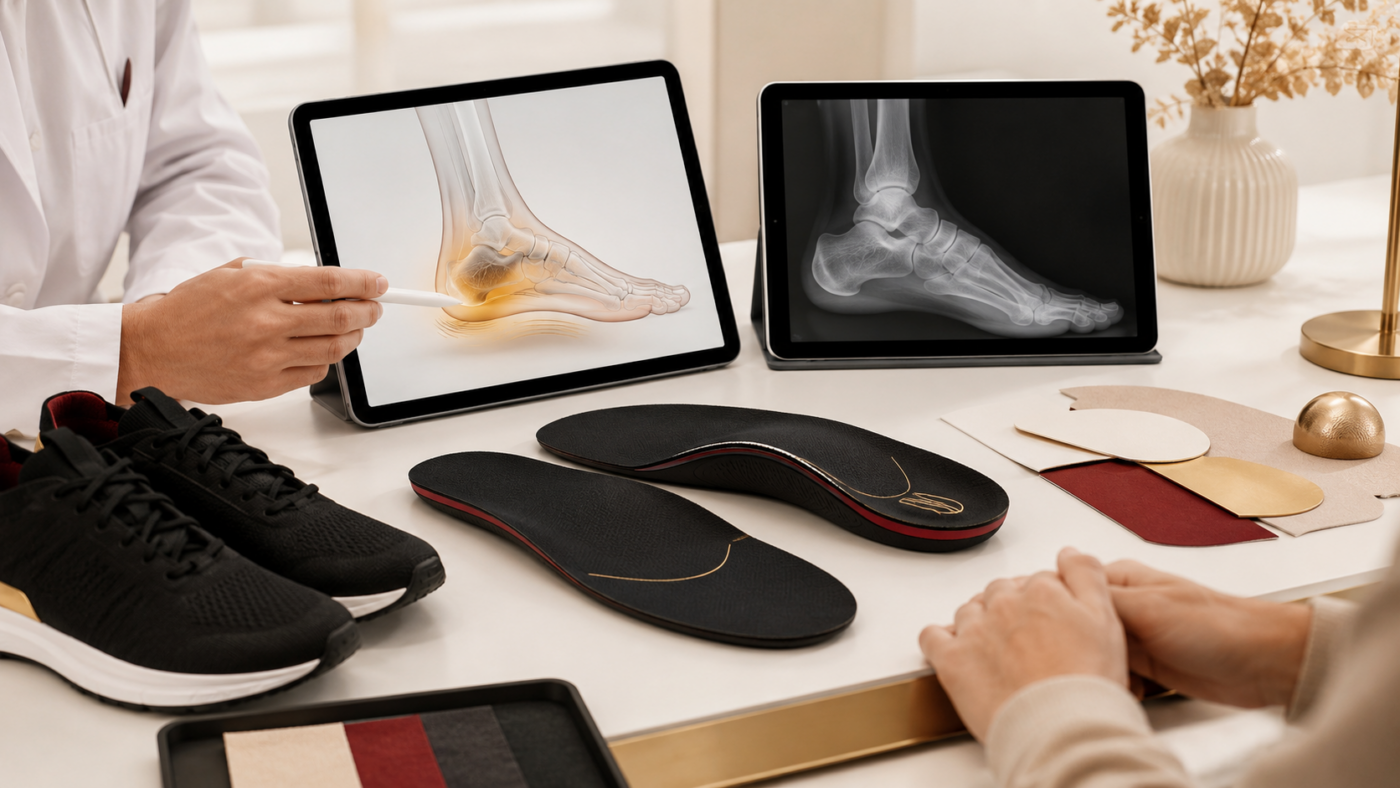
Plantar fasciitis is usually diagnosed through your symptoms, medical history, and a physical exam — not always through X-rays or MRI. Here is what clinicians typically look for and when imaging may be needed.
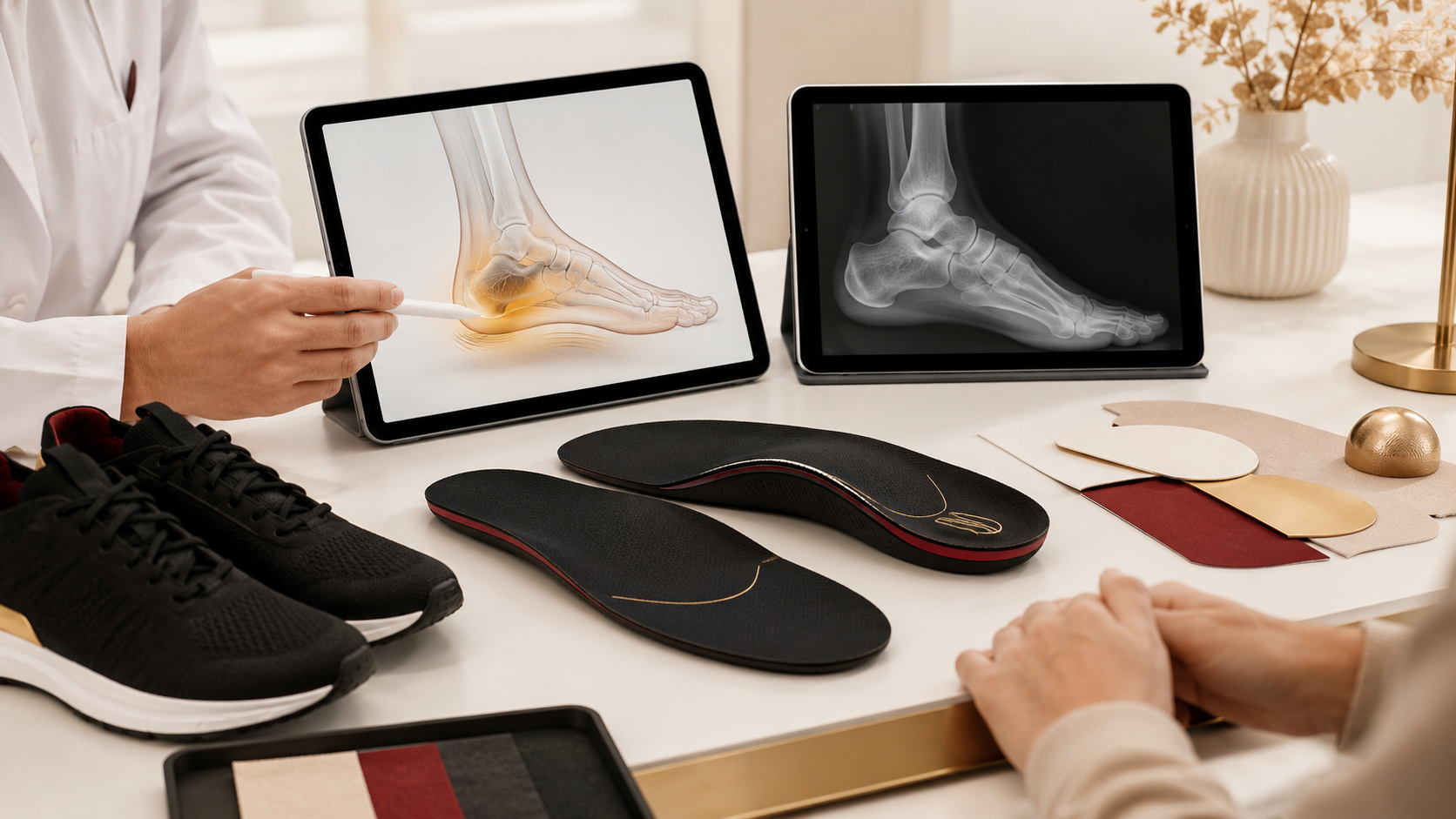
Morning heel pain, tenderness at the bottom of the heel, arch tightness, and stiffness after rest can all point toward plantar fasciitis. But heel pain can have more than one cause, so guessing based on symptoms alone is not always enough.
In most cases, a clinician starts with your story: where it hurts, when it hurts, what activities make it worse, and how your feet respond to rest, walking, standing, shoes, and support.
Quick Answer: How Is Plantar Fasciitis Diagnosed?
Plantar fasciitis is usually diagnosed through a combination of symptoms, medical history, and a physical exam. Imaging tests such as X-rays, ultrasound, or MRI are not always required.
A clinician may recommend imaging if the diagnosis is uncertain, symptoms do not improve with conservative care, or another condition such as a stress fracture, nerve issue, arthritis, or fascia tear needs to be ruled out.
History First
Your clinician will ask where the pain is, when it appears, and what activities or shoes make it better or worse.
Exam Next
They may check heel tenderness, arch tension, calf tightness, ankle mobility, and walking pattern.
Imaging If Needed
X-rays or MRI are usually used to rule out other causes, not as the first step for every heel pain case.
Symptoms Clinicians Look For
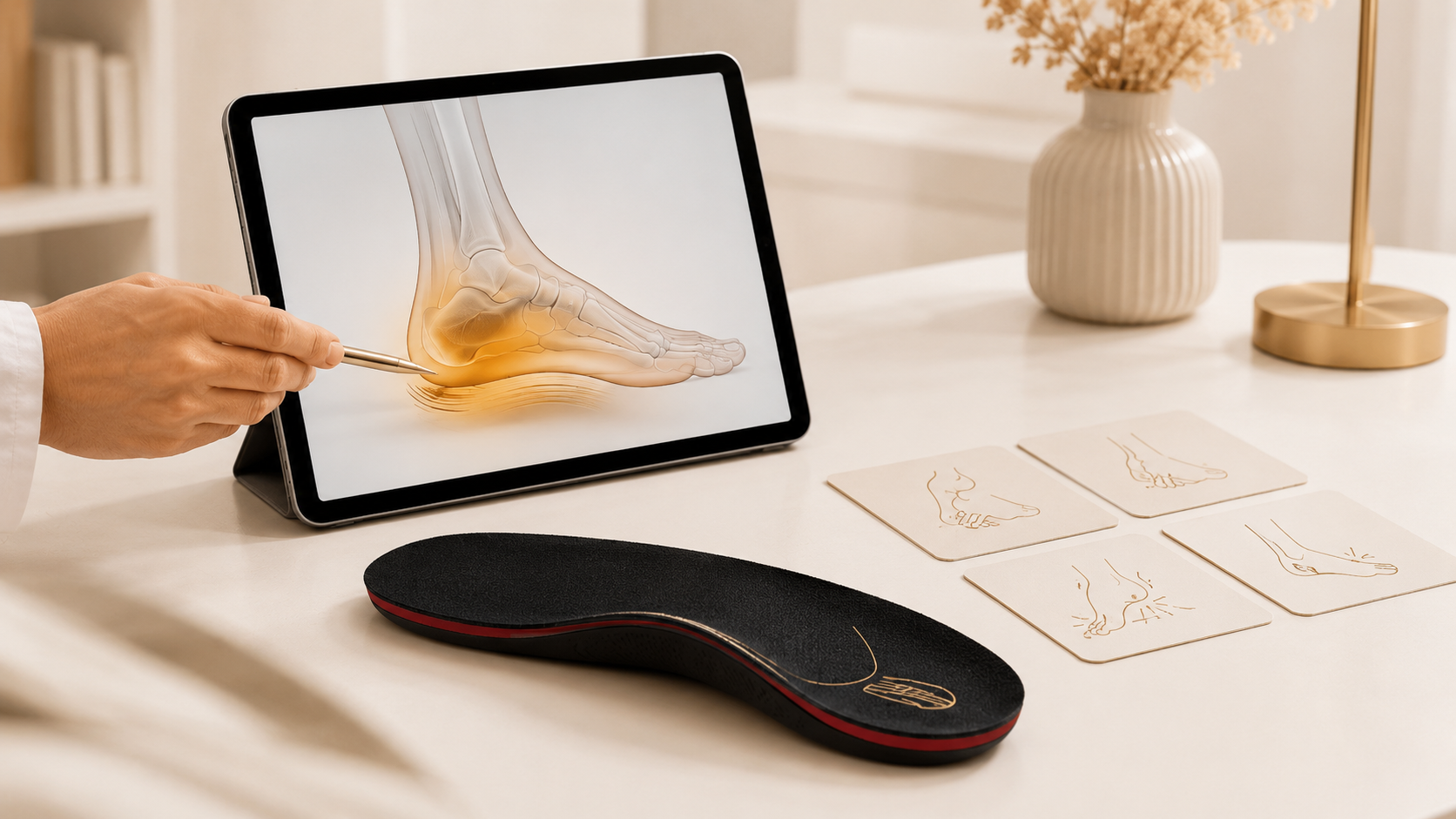
Plantar fasciitis often has a recognizable pattern. Many people feel discomfort near the bottom of the heel, sometimes extending into the arch. The pain may be most noticeable during the first steps in the morning or after sitting for a while.
Common Symptom Patterns
- Pain near the bottom of the heel.
- Discomfort that feels worse with the first steps after rest.
- Arch tightness or a pulling sensation along the bottom of the foot.
- Pain that increases after long standing, walking, running, or hard-floor activity.
- Tenderness when pressing near the inner bottom area of the heel.
- Stiffness that may ease after gentle movement, then return after more load.
These symptoms can strongly suggest plantar fasciitis, but they are not the only possible explanation for heel pain. That is why an exam matters.
Step 1: Medical History
Diagnosis often starts with a conversation. Your clinician or podiatrist will ask questions to understand whether your pain pattern matches plantar fasciitis and whether another cause should be considered.
Where Exactly Does It Hurt?
Plantar fasciitis often causes pain near the bottom of the heel, especially toward the inner side, and sometimes along the arch.
When Is It Worst?
First steps in the morning, standing after rest, and pain after long activity are common clues.
What Changed Recently?
A new job with more standing, increased running, different shoes, harder floors, or sudden step-count increases can all matter.
Step 2: Physical Examination
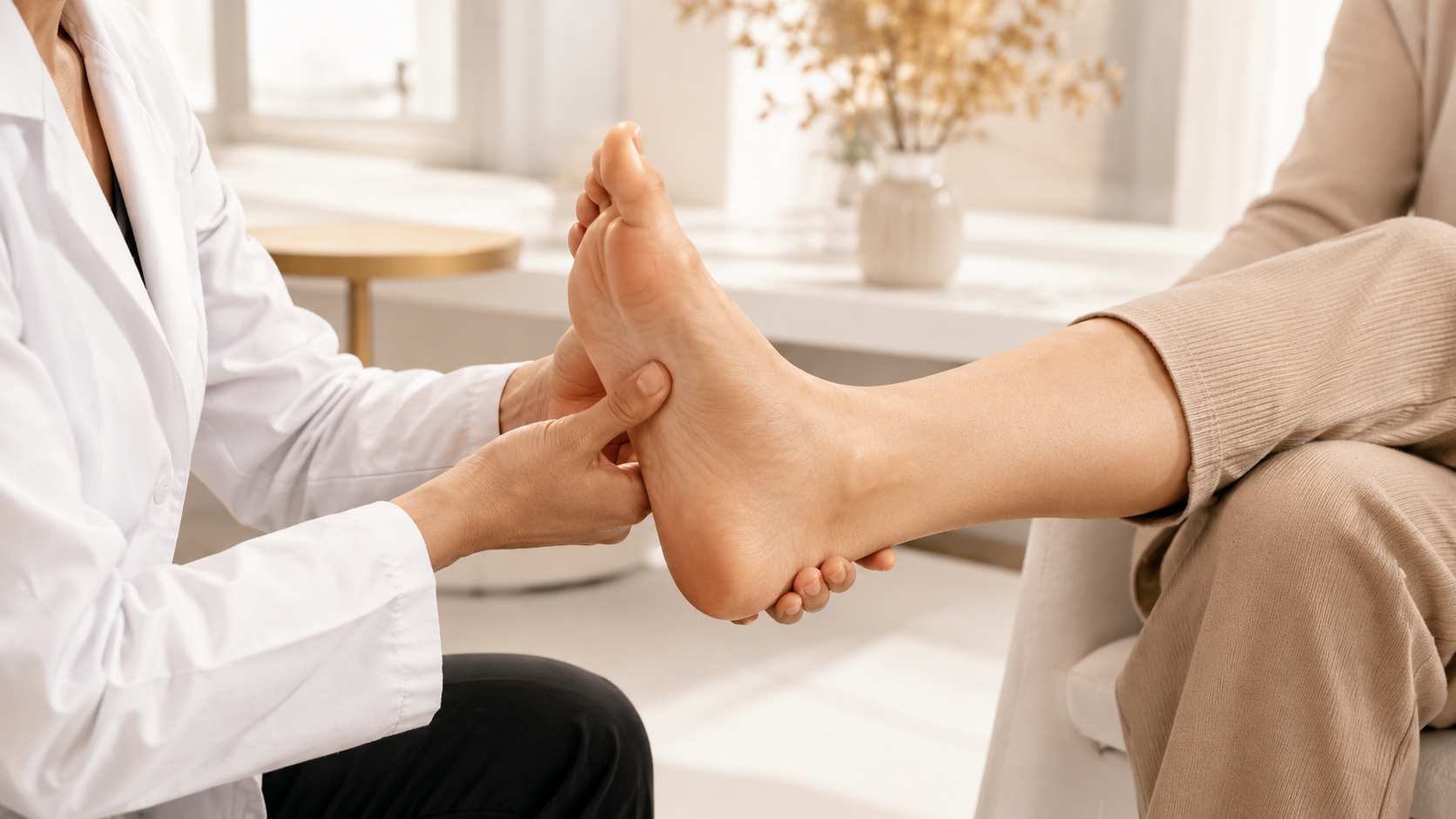
After listening to your symptoms, a clinician may examine your foot, ankle, calf, and walking pattern. The goal is to identify the likely source of pain and check for signs that point away from plantar fasciitis.
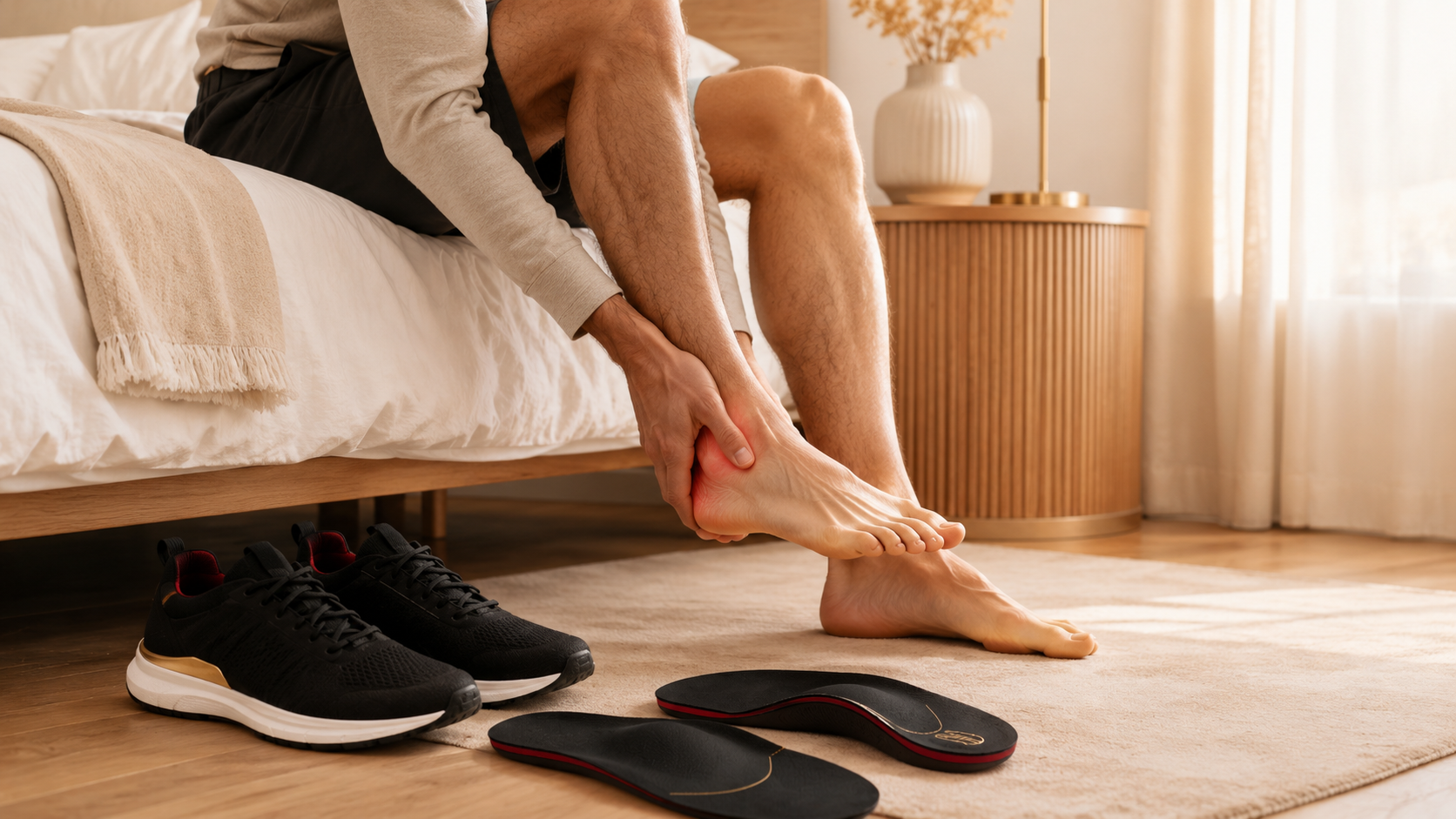
What the Exam May Include
| Exam Area | What Clinicians May Check | Why It Matters |
|---|---|---|
| Heel Tenderness | Pressing near the bottom inner heel area. | Localized tenderness can support a plantar fasciitis diagnosis. |
| Arch & Toe Movement | Pulling the toes upward to tension the plantar fascia. | This may reproduce heel or arch discomfort in some cases. |
| Calf Tightness | Checking ankle flexibility and calf/Achilles tightness. | Tight calves can increase strain through the heel and arch. |
| Foot Type | Looking at flat feet, high arches, overpronation, or foot posture. | Foot mechanics can influence how load moves through the plantar fascia. |
| Gait Pattern | Watching how you walk or stand. | Altered walking can reveal compensation, instability, or another source of stress. |
Step 3: Are X-Rays or MRI Required?
Not always. In many typical cases, plantar fasciitis can be diagnosed without imaging. X-rays and MRI are usually considered when the diagnosis is uncertain, symptoms are not improving, or another condition needs to be ruled out.
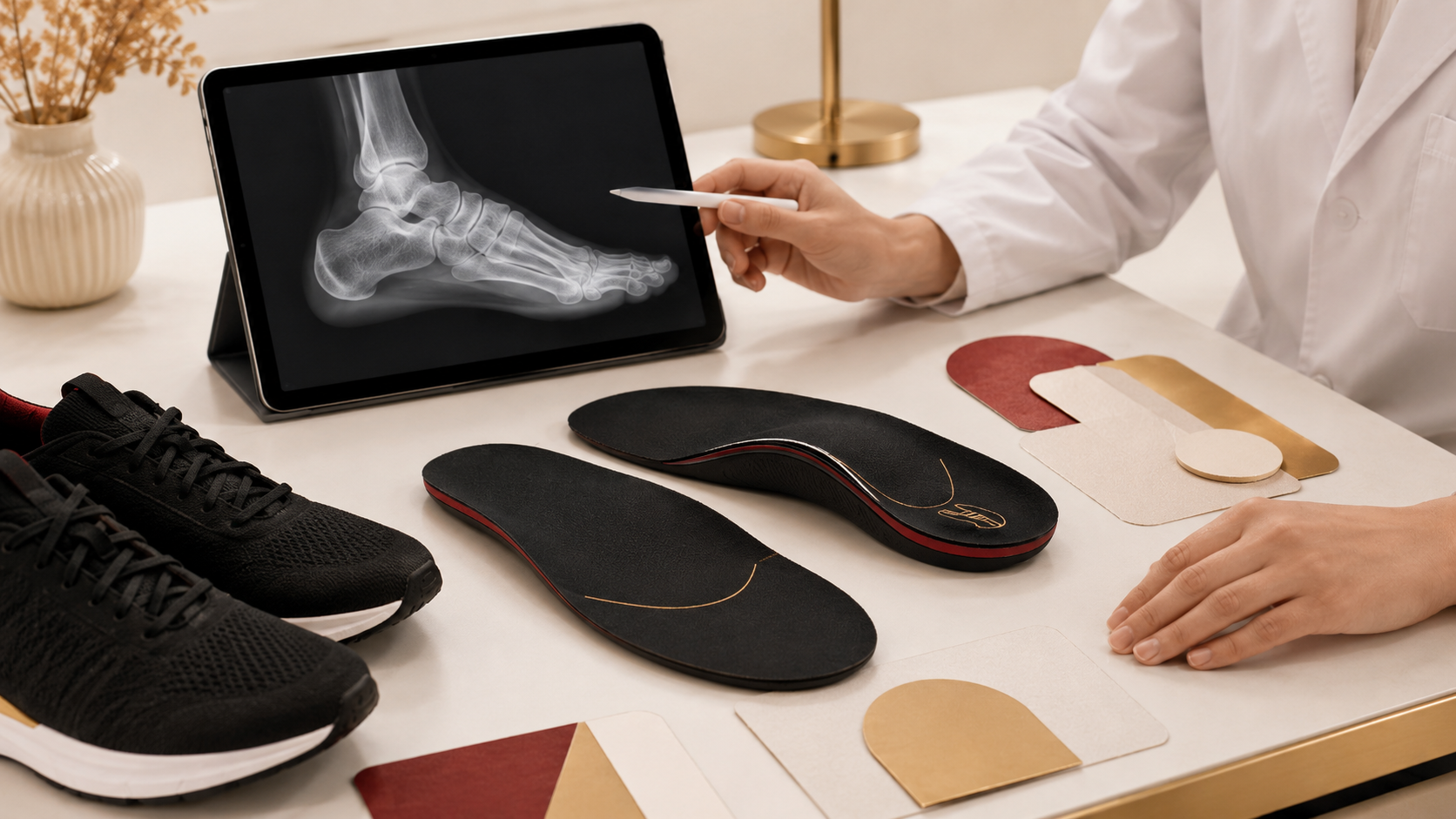
What Each Imaging Test Can Help With
| Imaging Type | What It May Show | When It May Be Used |
|---|---|---|
| X-Ray | Bone structure, fracture signs, arthritis changes, or heel spurs. | Often used to rule out bone-related causes of heel pain. |
| Ultrasound | Soft tissue changes such as plantar fascia thickening. | May be used to evaluate the plantar fascia directly. |
| MRI | Soft tissue detail, possible tear, stress injury, or complex heel pain causes. | Usually reserved for unclear or persistent cases. |
One important point: a heel spur on an X-ray does not automatically mean it is the cause of your pain. Many people with heel spurs do not have heel pain, and plantar fasciitis can often be managed without removing a spur.
Other Conditions That Can Mimic Plantar Fasciitis
Because heel pain has multiple possible causes, clinicians may check for conditions that can feel similar. This is especially important if symptoms are unusual, severe, one-sided after injury, or not improving with conservative care.
Conditions a Clinician May Rule Out
- Heel stress fracture: Often linked with bone stress and may worsen with impact.
- Achilles tendinopathy: Usually affects the back of the heel or lower calf area.
- Tarsal tunnel syndrome: May involve nerve symptoms such as burning, tingling, or numbness.
- Fat pad irritation or thinning: Can feel like deep heel bruising under the heel.
- Arthritis or inflammatory conditions: May cause broader joint symptoms or stiffness.
- Plantar fascia tear: May follow a sudden sharp event or popping sensation.
What Happens After Plantar Fasciitis Is Diagnosed?
Once plantar fasciitis is diagnosed, the first step is usually conservative care. That means reducing irritation, improving support, restoring mobility, and avoiding sudden load increases.
Common Next Steps
Activity Modification
Temporarily reduce high-impact activities or long hard-floor standing that clearly aggravate symptoms.
Stretching and Mobility
Gentle calf, Achilles, and plantar fascia stretching may help reduce strain through the heel and arch.
Footwear and Support
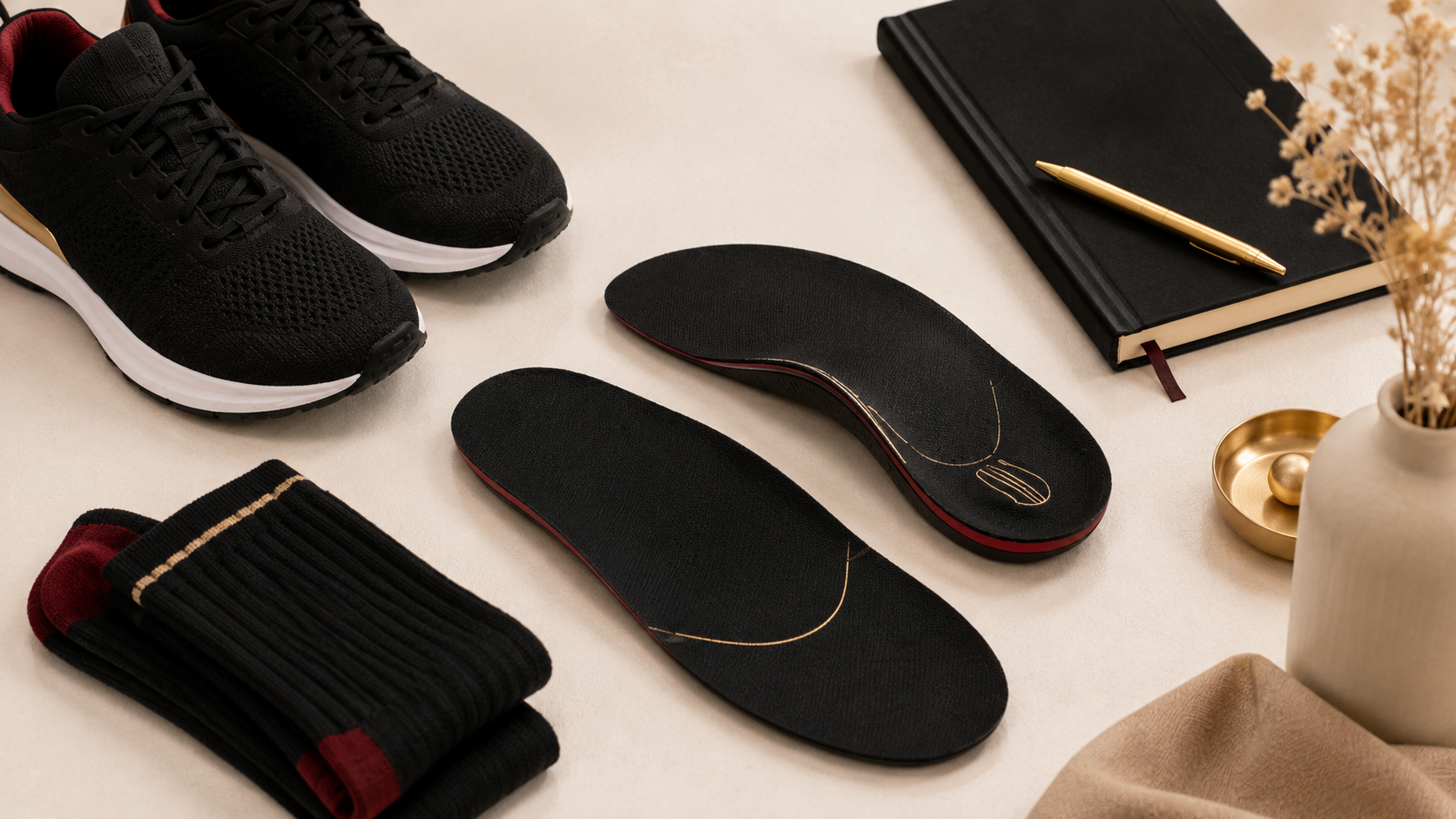
Supportive shoes, arch support, heel cushioning, and well-fitted insoles may help improve daily comfort.
Physical Therapy If Needed
If symptoms persist, a therapist may help with strengthening, mobility, gait mechanics, and taping strategies.
Where Insoles Fit After Diagnosis
Insoles do not diagnose plantar fasciitis, and they are not a medical cure. But they can be a practical support tool after diagnosis, especially if your heels or arches feel tired inside everyday shoes.
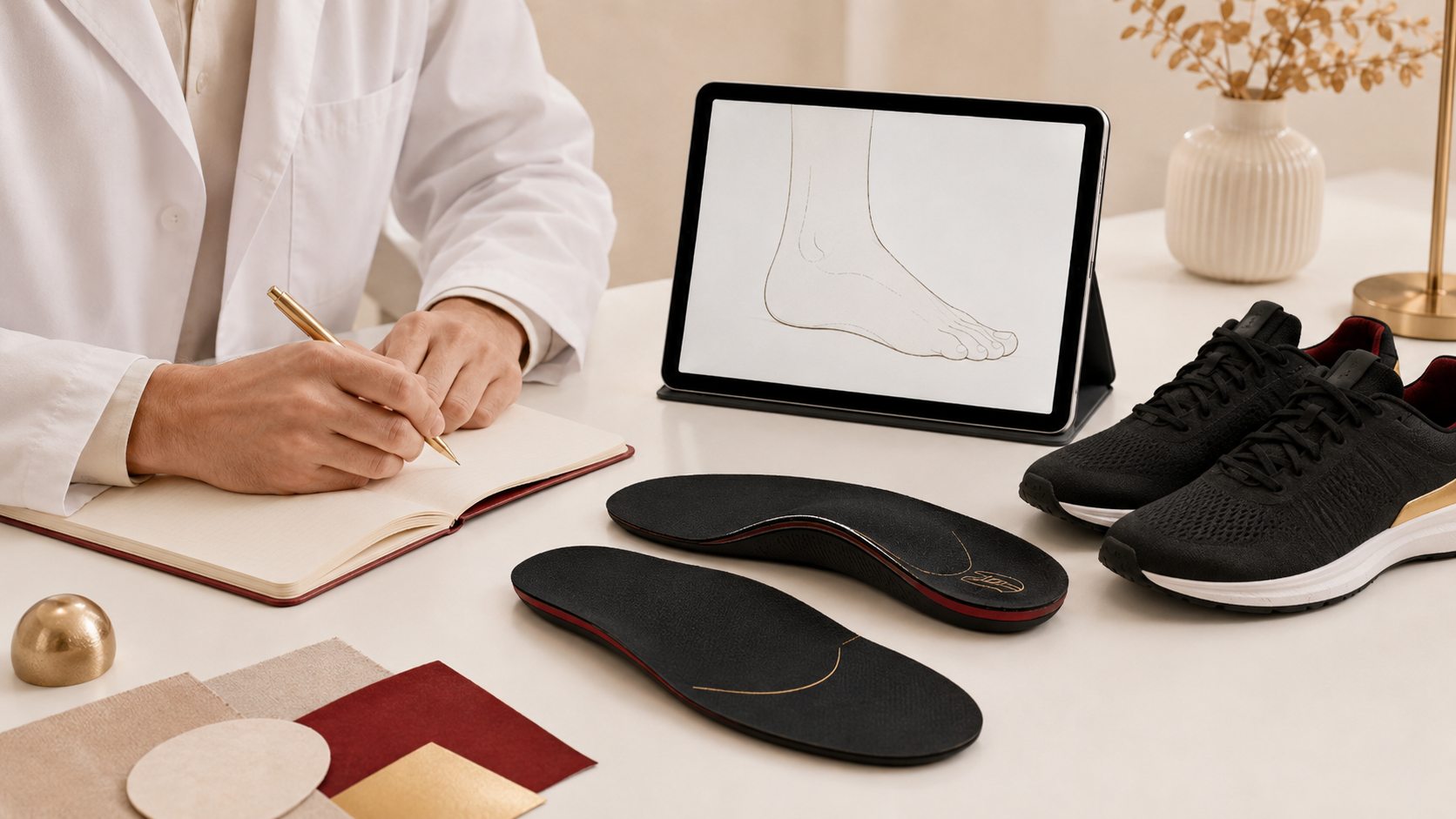
What to Look For in Supportive Insoles
- Arch support: Helps support the foot’s natural shape inside the shoe.
- Heel cushioning: Helps soften impact under the heel.
- Stable base: Helps reduce excessive movement inside the shoe.
- Low-profile fit: Helps avoid crowding inside everyday shoes.
- Trim-to-fit design: Helps match the insole to your shoe shape.
For best results, pair insoles with shoes that have enough internal space, a secure heel fit, and a stable midsole.
Questions to Ask During a Heel Pain Appointment
A good appointment is not just about getting a label. It is about understanding what is causing your heel pain and what steps make sense next.
- Does my pain pattern match plantar fasciitis?
- Are there signs of another heel pain condition?
- Do I need imaging, or can we start with conservative care?
- What activities should I reduce temporarily?
- Which stretches are appropriate for my case?
- Would supportive shoes or insoles help my foot type?
- How long should I try conservative care before reassessing?
- When should I come back if symptoms do not improve?
Support Your Heel & Arch Inside Everyday Shoes
If your clinician has suggested better footwear support, or your heels and arches feel tired during long days, InsoleLux insoles can help improve comfort inside compatible shoes with a clean, low-profile fit.
FAQ
Can I diagnose plantar fasciitis myself?
You may recognize common symptoms, but a proper diagnosis should come from a qualified healthcare professional. Heel pain can have several causes, and some require different treatment.
Does plantar fasciitis show on an X-ray?
X-rays do not show the plantar fascia clearly like soft tissue imaging can. They are more often used to rule out bone-related causes such as fracture or arthritis. They may also show heel spurs, which do not always cause pain.
Do I need an MRI for plantar fasciitis?
Usually not. MRI is generally reserved for unclear cases, persistent symptoms, suspected tears, stress injuries, or complex heel pain that does not respond as expected.
What does a plantar fasciitis exam feel like?
A clinician may press around the bottom of the heel, move the toes and ankle, check calf tightness, and observe how you stand or walk. The exam should help identify where the pain is coming from.
Can a heel spur mean I have plantar fasciitis?
Not necessarily. Heel spurs can appear on X-rays, but many people with heel spurs do not have heel pain. A clinician will interpret imaging together with your symptoms and exam.
What happens if plantar fasciitis is not improving?
If symptoms persist despite basic care, a clinician may reassess your diagnosis, review footwear and activity load, recommend physical therapy, or consider imaging or other treatment options.
When should I seek medical care for heel pain?
Seek care if pain is severe, sudden, caused by injury, linked with swelling, bruising, numbness, tingling, fever, diabetes-related foot concerns, or if it does not improve with conservative care.
Final Take
Plantar fasciitis is usually diagnosed by looking at the full pattern: symptoms, pain location, medical history, physical exam findings, footwear, activity changes, and foot mechanics.
X-rays, ultrasound, and MRI can be useful, but they are not required for every case. They are most helpful when the diagnosis is uncertain or another cause of heel pain needs to be ruled out.
After diagnosis, conservative support often comes first: activity modification, gentle stretching, supportive shoes, arch support, heel cushioning, and professional guidance when symptoms persist.
